
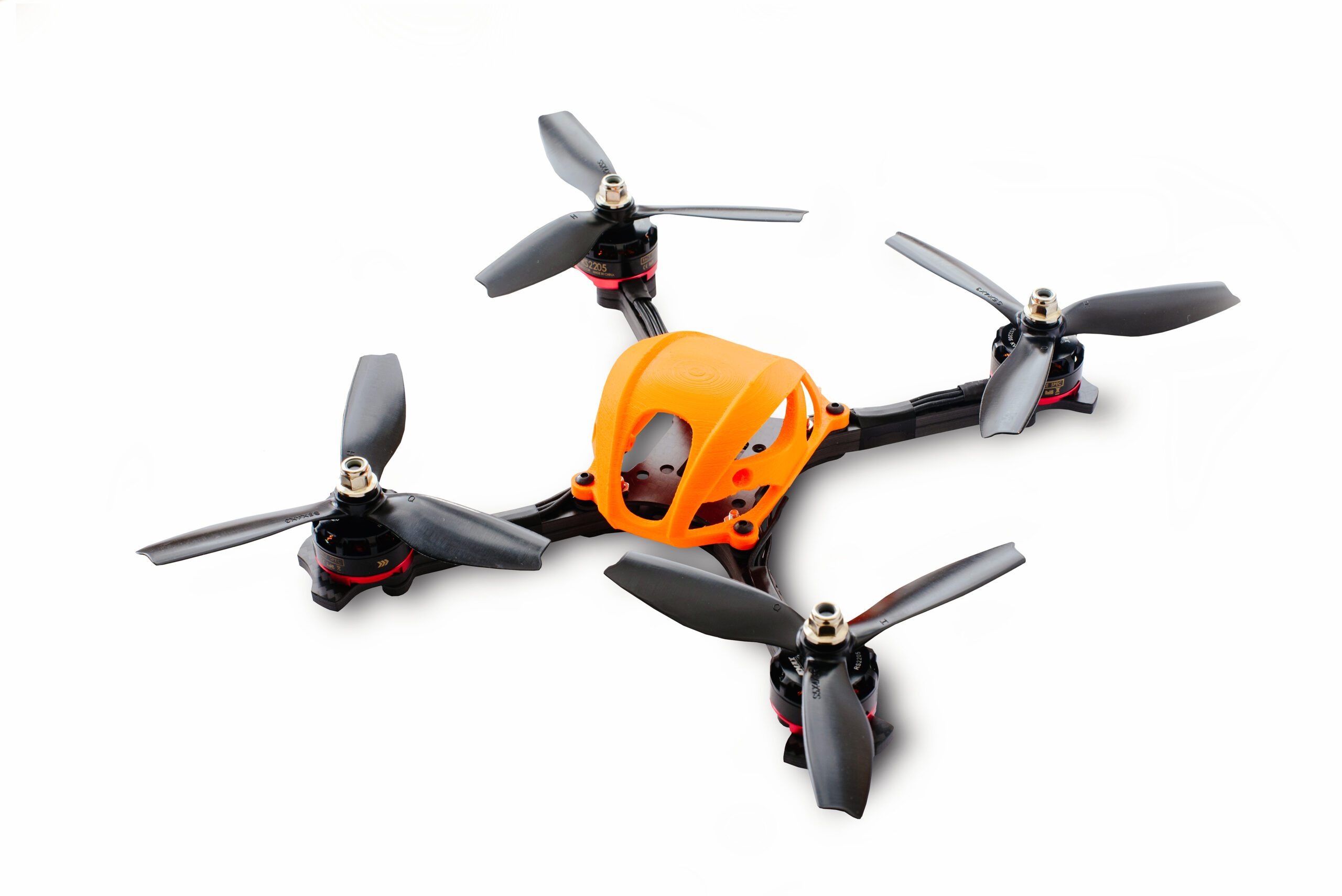
Stronger, Production-Grade Drone Parts
Custom MJF, SLS, and TPU parts engineered for impact resistance, lightweight frames, and rapid prototyping
without waiting weeks for tooling.
All Uploads are Confidential and Secure
Last Updated:

The Right Choice When Weight, Strength, and Turnaround All Matter
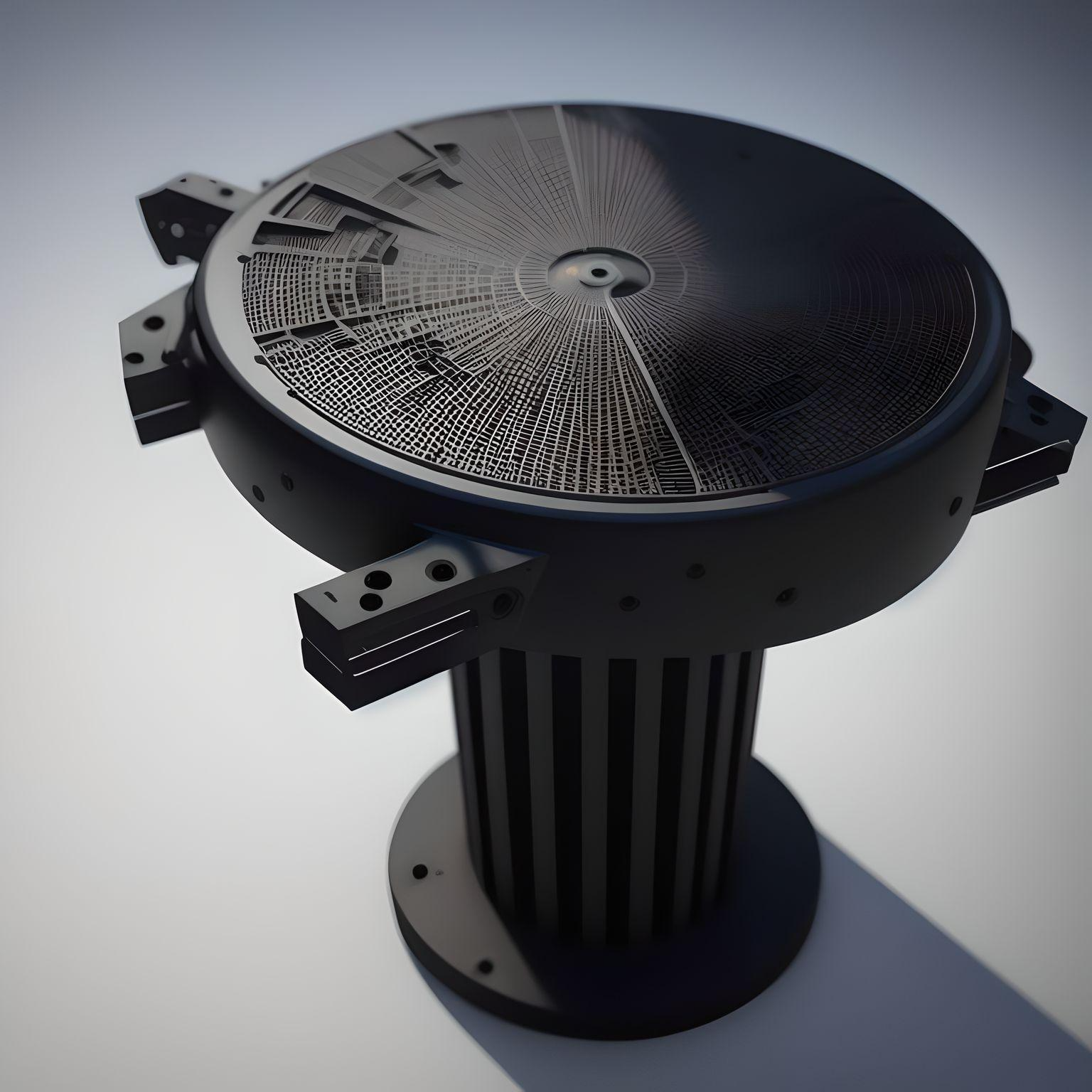
Built to Survive Real Flight Stress
-
Designed for high-strength drone parts that can withstand crashes, vibration, and continuous flight stress.
-
Ideal for drone arms, structural components, motor mounts, and frame parts that demand durability.
-
Printed using industrial MJF and SLS technologies, delivering stronger, more consistent performance than hobby-grade printers.
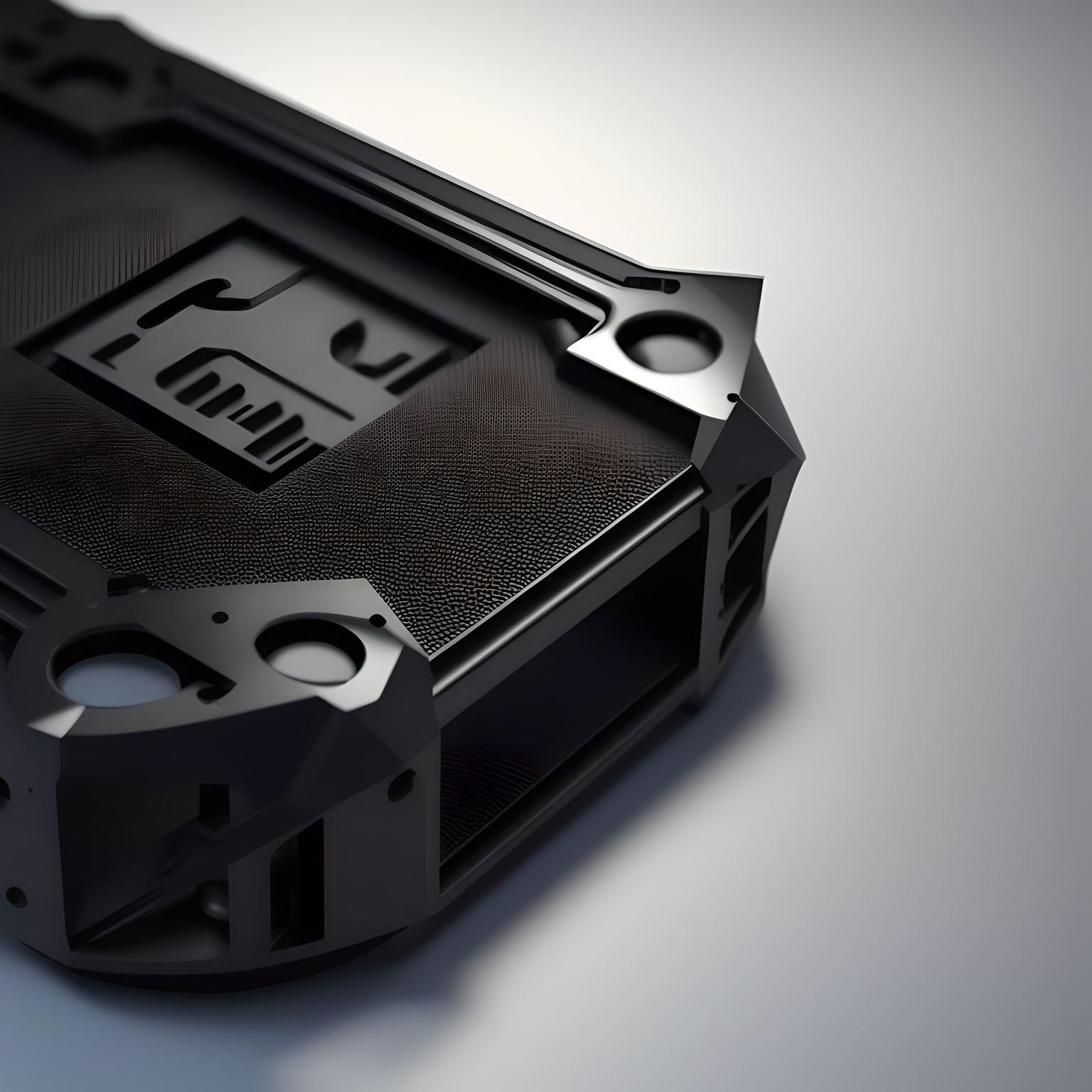
Require Fast Turnaround for Prototyping or Production
-
Perfect for teams who need rapid 3D printing for drone prototypes without waiting weeks for machining or tooling.
-
Our 4–5 day production window helps engineering teams test multiple design iterations in a single week.
-
Great for reducing R&D cycles, speeding up validation, and supporting on-demand drone manufacturing workflows.
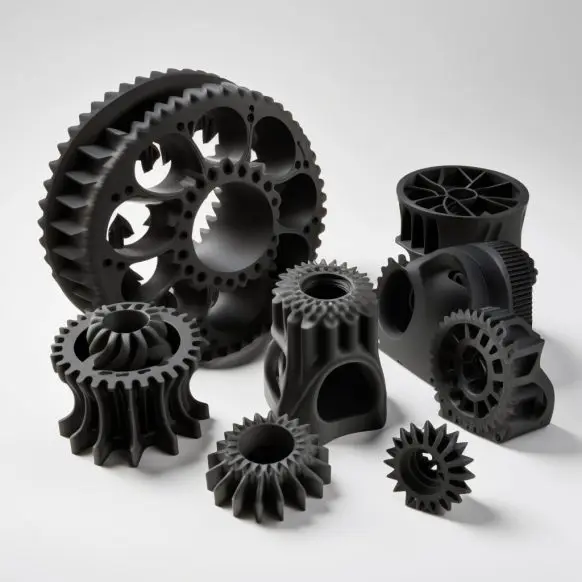
Demand Tight Tolerances and Precision Fitment
-
Engineered for parts that must fit mounts, housings, gimbals, and frames with high dimensional accuracy.
-
MJF, SLS, and TPU prints optimized for precise tolerances, ensuring reliable assembly and repeatable results.
-
Ideal for manufacturers and builders who require consistent, production-ready drone components without warping or shrink issues.
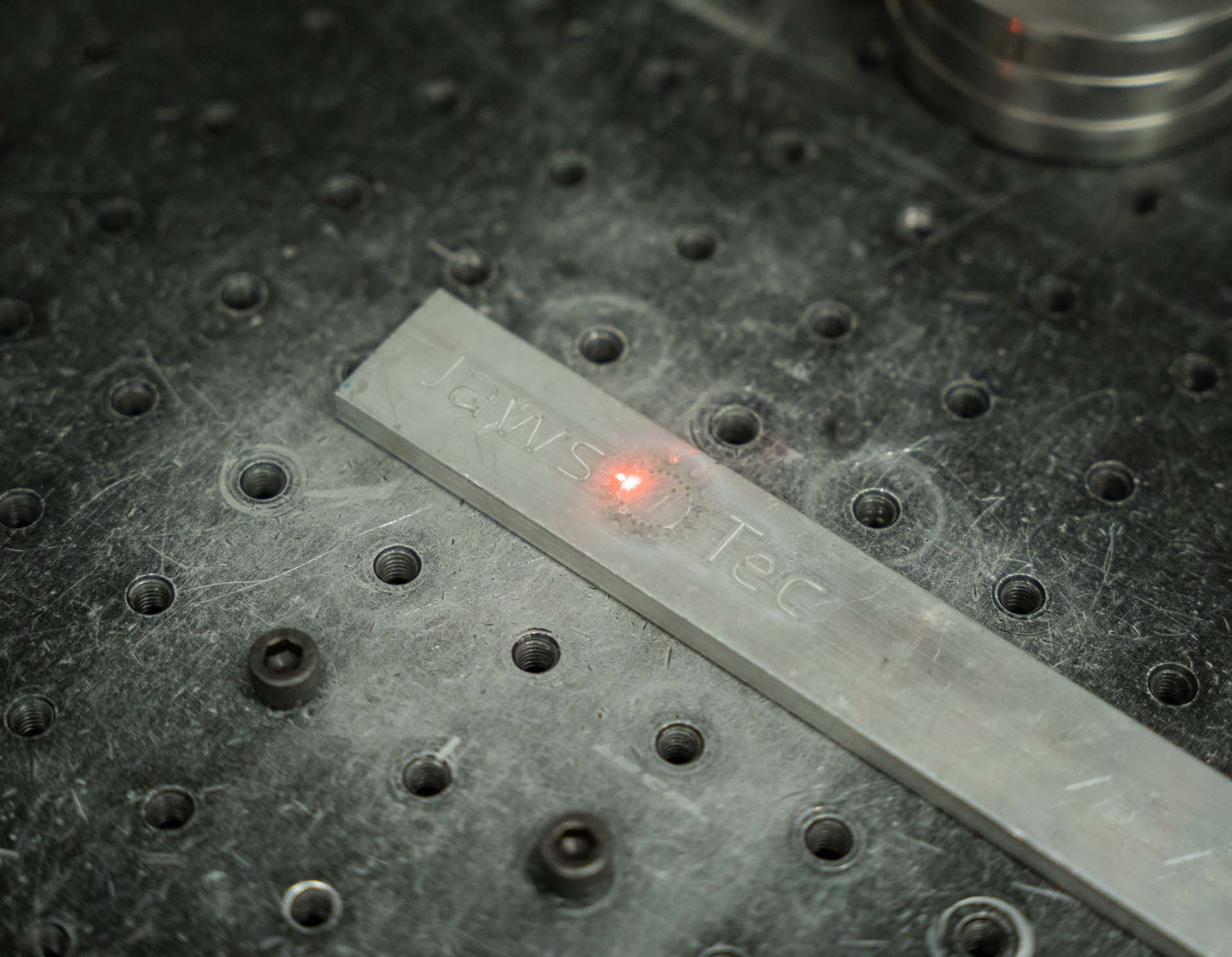
Go From CAD File to Flight-Ready Prototype Without the Wait
Our streamlined MJF, SLS, and TPU 3D printing process lets you move from CAD to physical drone parts in just a few days. Instead of waiting weeks for machining or overseas suppliers, you get fast, precise prototypes that are strong enough for real testing.
Whether you’re developing new airframes, refining gimbals or housings, or validating custom components, we help you test, iterate, and improve your drone designs faster. Shorter print cycles mean quicker feedback, fewer delays, and the ability to bring new drone products to market ahead of your competitors.
Trusted by Drone Teams for Strong, Lightweight SLS & MJF Parts
Production tooling
Lightweight Structural Parts
Customized Drone Frames
Replacement Components
Customized parts for projects
Aerospace-Grade Material
Cheaper part production
Faster R&D timeline
Payload & Sensor Mounts
High-Strength Drone Parts Engineered for Tight Tolerances and Quick Design Cycles
You need strong, precise, fast-turnaround drone parts — and that’s exactly what we deliver. JawsTec provides industrial-grade quoting, printing, and post-processing services that support both commercial teams and individual builders. Whether you’re prototyping a new airframe or producing functional components, our MJF, SLS, and TPU printing ensures you get reliable, flight-ready parts without delay.
Most orders ship within 4–5 days, making it easy to test, refine, and move your projects forward quickly. Whatever stage your design is in, JawsTec gives you the speed, strength, and consistency your drone builds demand.
SLS, MJF & CNC Processes Suited for Frames, Guards, Housings & Custom UAV Parts
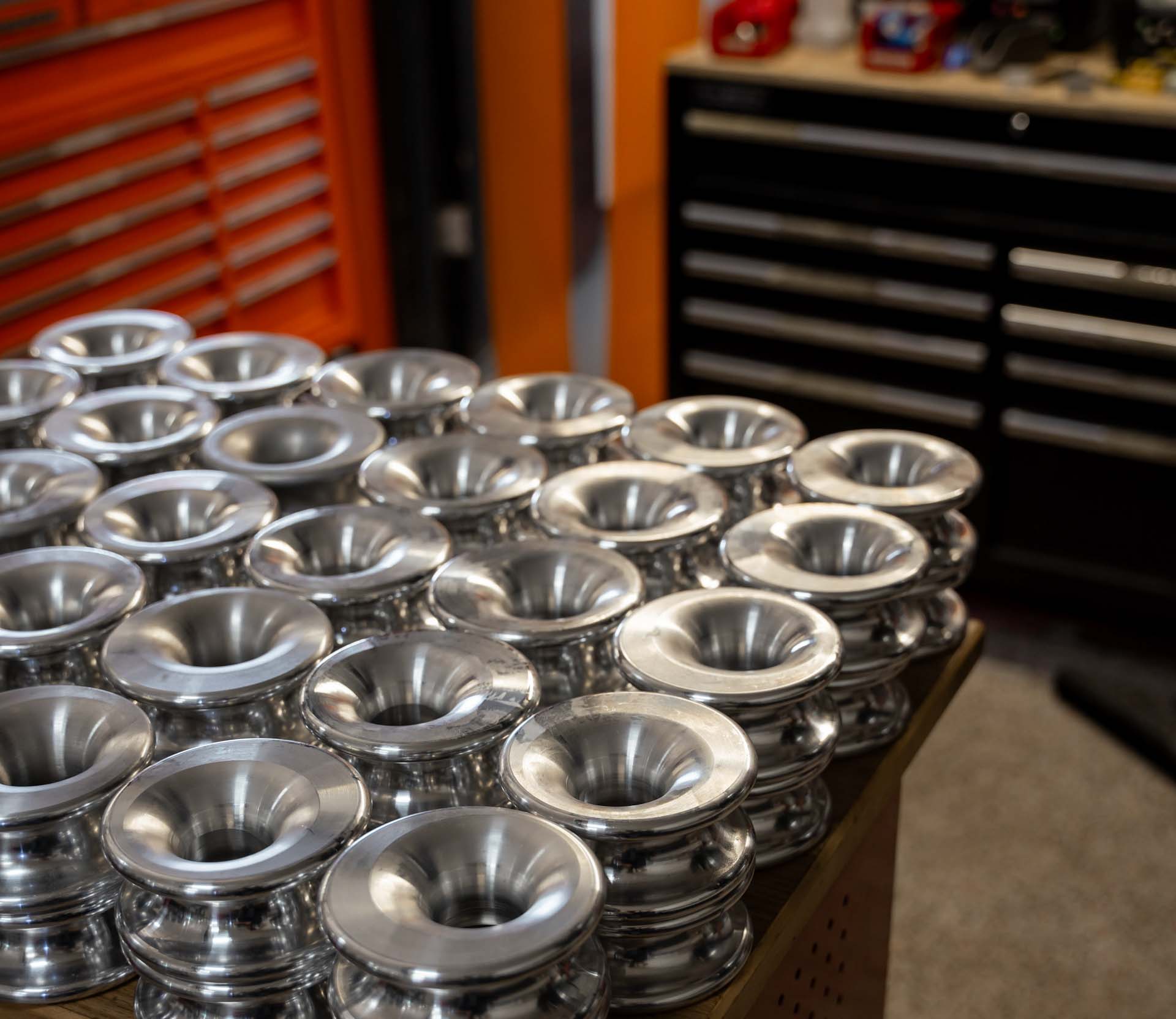
CNC Machining
By following a numerical code, the CNC machine produces a precise part.
- Metal materials
- 0.001 inch tolerance
- Parts unable to be produced by other traditional methods
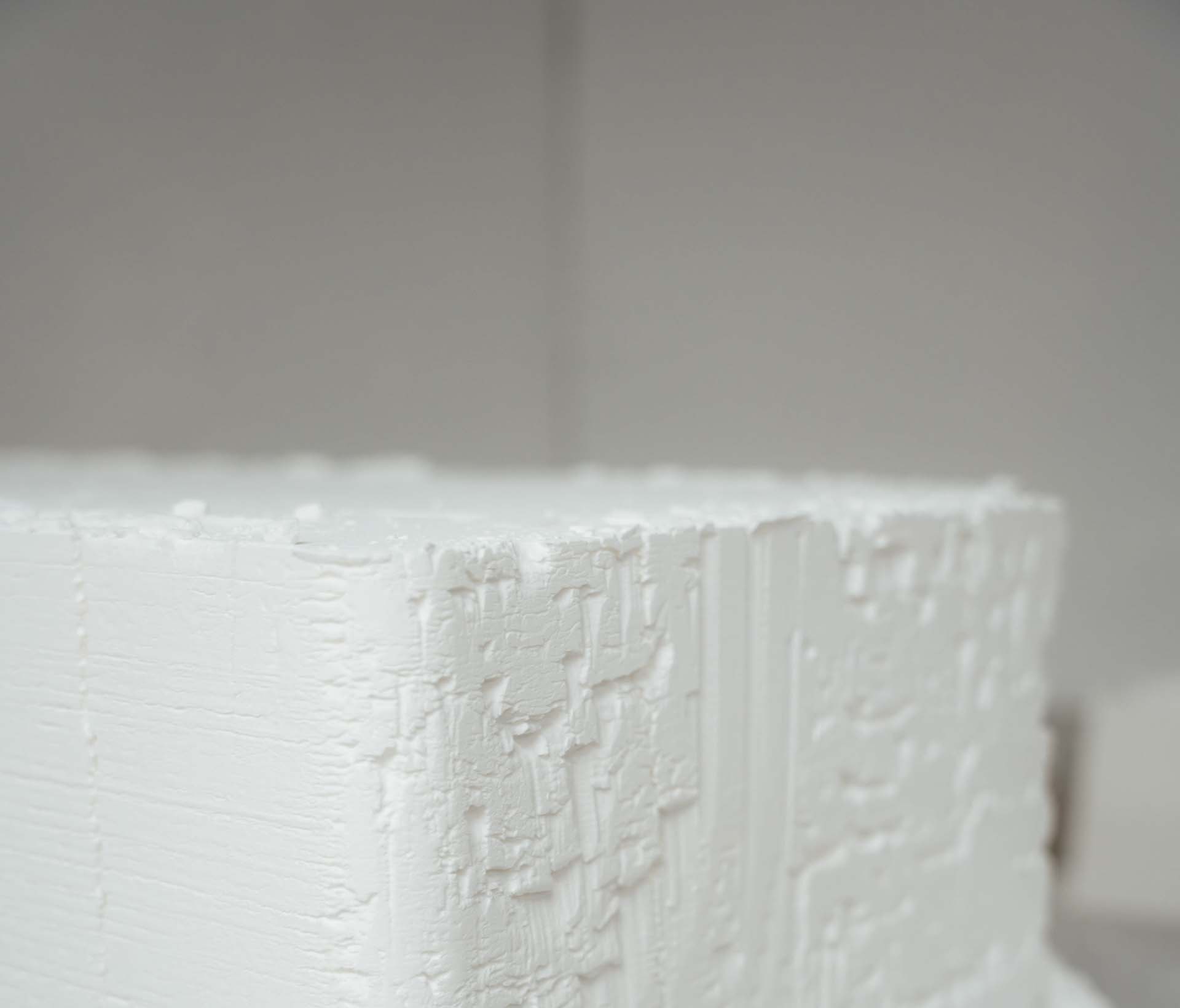
3D Printing
Professional-grade 3D printing processes create parts layer by layer.
- Synthetic materials including PA Nylon 11, polypropylene, and glass-filled nylon
- Various tolerances
- Convienient ordering processes with online quote services
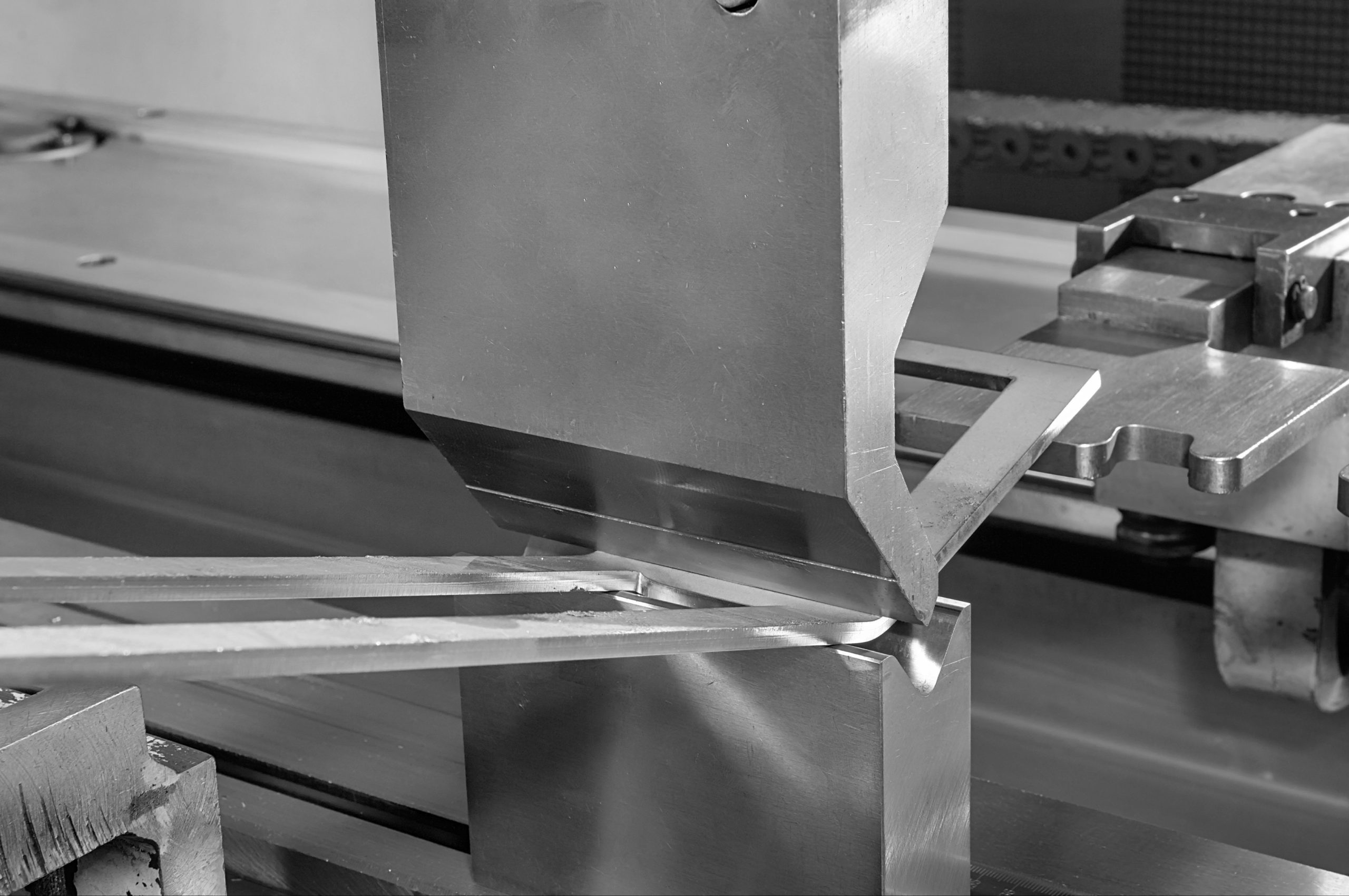
Sheet Metal Fabrication
Produces parts with sheets of metal that are bent and folded.
- Metal materials
- Can be cut or stamped
- Durable, simple to manufacture
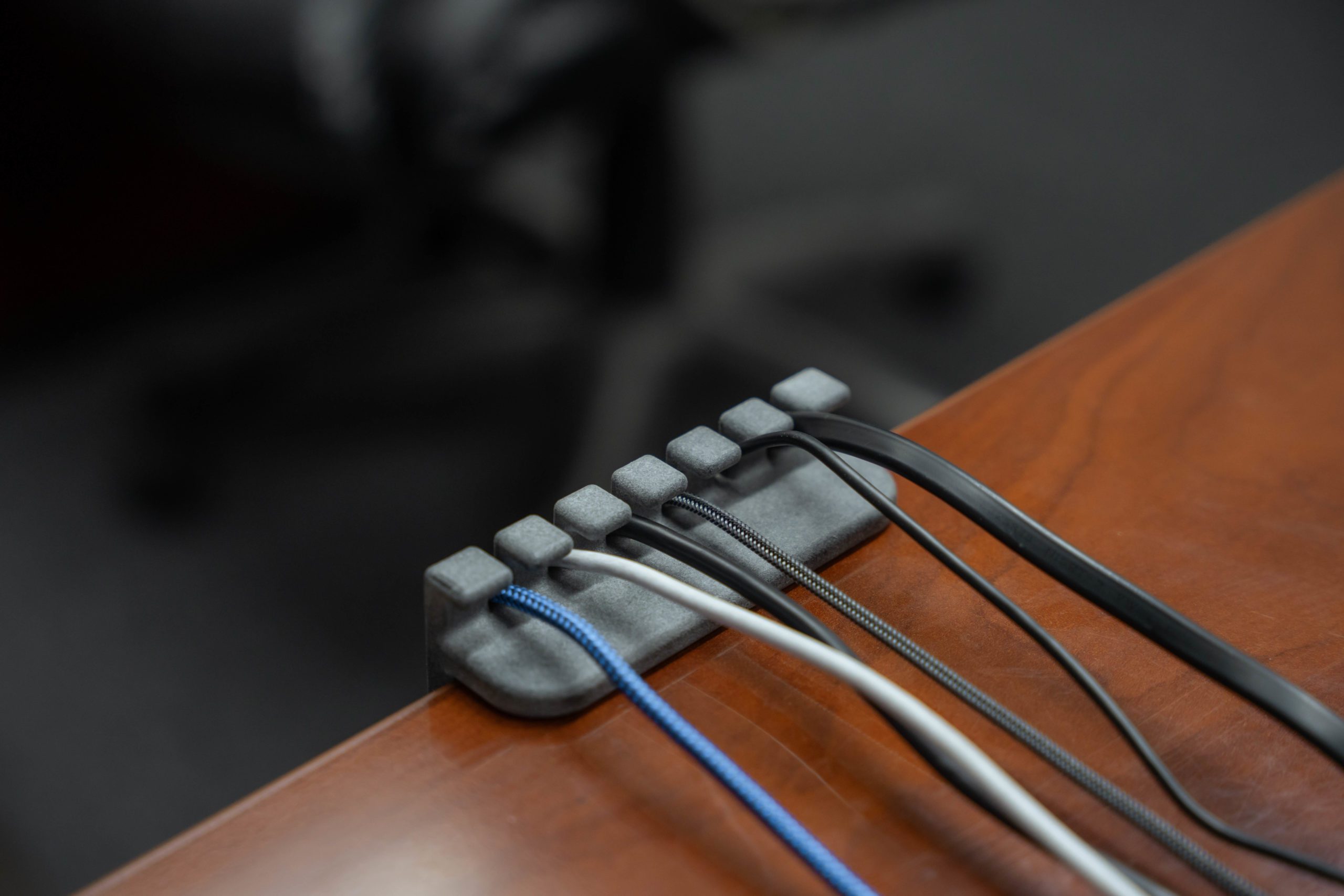
Injection Molding
Inject molding creates parts by filling a mold with liquid material and letting it solidify.
- Best for 500+ parts per order
- Longer lead time, cheaper cost
- Smooth finishes
Case Study: Illini Autonomous Vehicles
Read about, Illini Autonomous Vehicles, a company who uses our 3D printing service for custom manufactured drone components.
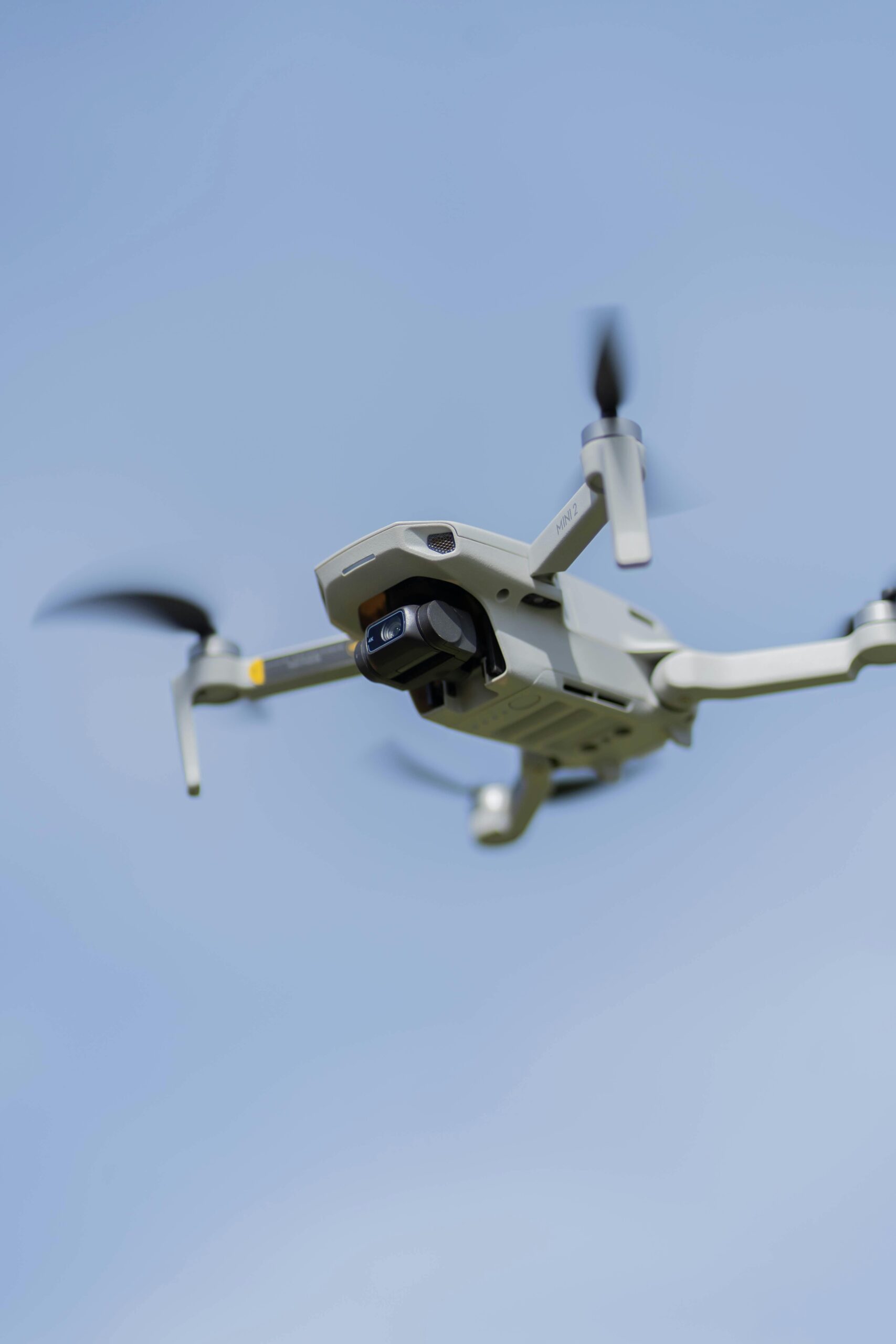
Lightweight Nylon, TPU & Metal — Materials That Survive Hard Landings
Choose from a wide variety of materials and surface finishes for your parts
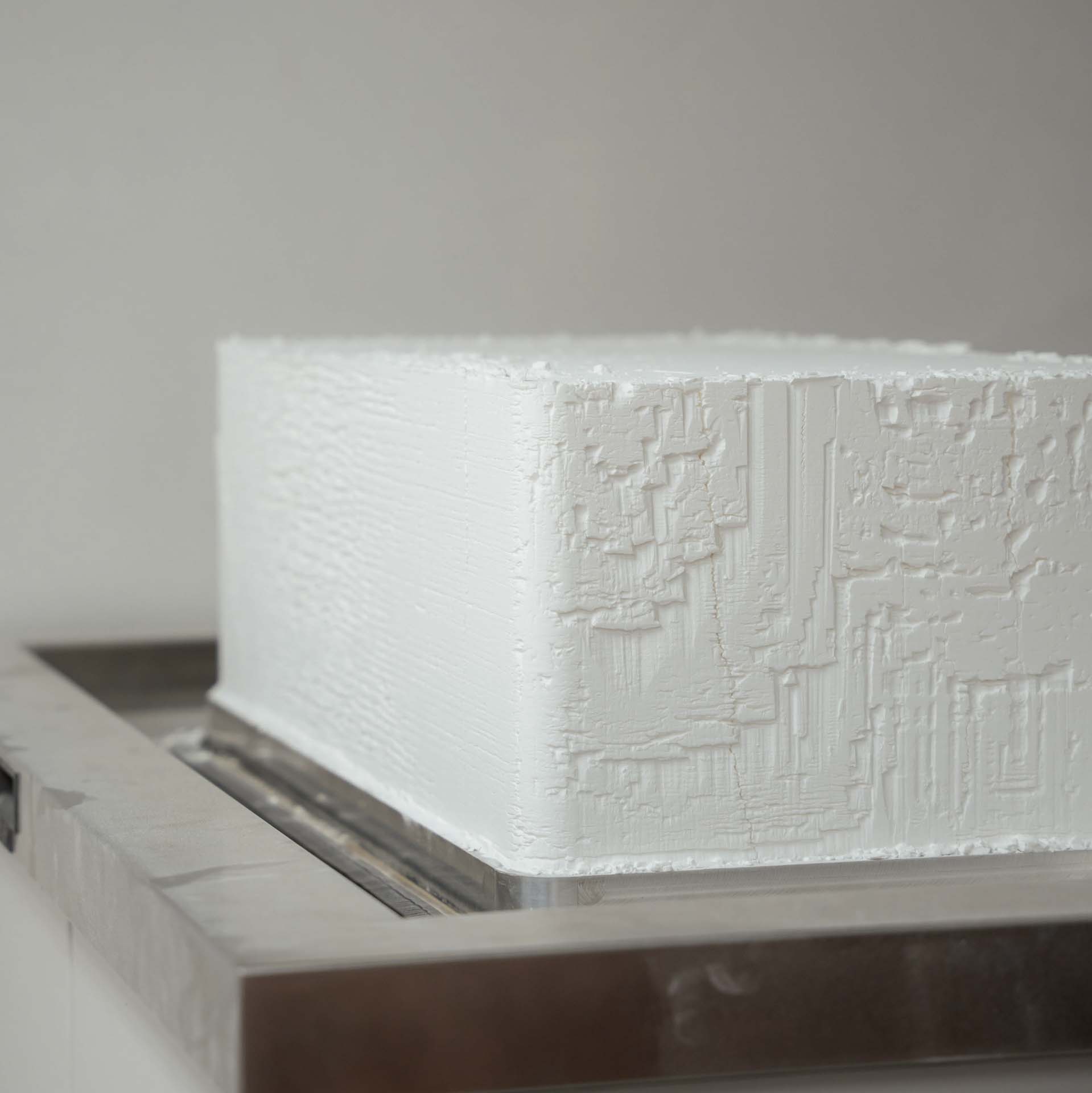
3D printing materials
- Nylon SLS PA 2200
- TPU SLS 86A
- Nylon MJF PA 12
- Nylon MJF PA 11
- Nylon MJF PA 12 GlassBead
- SLA High Temp TS
- SLA Imagine Black
- SLA Proto Plus
- SLA Smooth GP
- SLA Tough Plus
- SLA Tough Resin Green
- SLA Transparent Plus
- SLA WaterTight Proto
- SLM Aluminum AlSi10Mg
- SLM Stainless Steel 17-4
- SLM Stainless Steel 316L
3D printing surface finishes
Choose the surface finish for your parts when uploading your files
- Raw
- Is the default surface finish right out of the printer after all the excess power has been removed by our PowerShot C.
- Polished
- Is the part being tumbled in our PowerShot S and then manually shot-peened, this provides a smooth finish to your part.
- Vapor Polished
- Is the process of smoothing the surface of 3D Printed parts using our PostPro3D machine. The results give your parts the look of professionally made injection molded parts.
What Our Customers Say
FAQ’s
-
What is Multi Jet Fusion (MJF) and how is it used in drone manufacturing?
MJF is an advanced 3D printing technology that fuses nylon powder layer by layer using a combination of fusing and detailing agents. In drones, it’s used to produce lightweight, strong, and complex parts like airframes, propeller hubs, and custom components that would be difficult or impossible to make with traditional methods.
-
Why choose MJF over other 3D printing technologies for drones?
MJF offers high resolution, isotropic strength, and smooth surfaces without support structures. This makes it ideal for drones, where lightweight parts, structural integrity, and tight tolerances are critical for performance and flight efficiency.
-
Can MJF parts handle the stresses drones experience during flight?
Yes. MJF parts are made from durable nylon materials and can be engineered with internal lattice structures for rigidity. While not all materials match metals in extreme stress conditions, MJF provides a strong balance between weight and mechanical performance suitable for many drone applications.
-
Are MJF-printed drone parts suitable for production or only prototyping?
Both. MJF is widely used for rapid prototyping due to its speed and accuracy, but it’s also increasingly used for low- to medium-volume production of functional drone components, particularly when custom or complex geometries are needed.
-
How lightweight can MJF drone parts be?
Thanks to the ability to create internal lattices and hollow structures, MJF parts can be extremely lightweight while maintaining strength. This is especially beneficial for drones, as reducing weight improves flight time, maneuverability, and payload capacity.
-
What post-processing options exist for MJF drone components?
MJF parts can undergo finishing techniques such as dyeing, smoothing, or coating to improve aesthetics, surface feel, and durability. For functional drone parts, post-processing may focus on sealing or reinforcing structural areas without adding significant weight.
-
What file types do you accept for drone part uploads?
We accept STP, STL, OBJ, and 3MF files. We review it before printing to ensure its optimized for strength and manufacturability.
-
How fast can I get my drone parts?
Most orders ship in 4–5 days, depending on part complexity and finishing needs. Expedited shipping is available.
-
How accurate are the 3D printed drone parts?
MJF and SLS typically achieve ±0.2–0.3 mm tolerances, which is tight enough for most drone frames, motor mounts, and electronic housings. For parts requiring precision fitment, we optimize orientation and print settings to ensure consistent, repeatable results.
-
Can 3D Printing be used for Racing Drones?
Read More about 3D printing for racing drones here.