
3D Printed Drones
ITAR-registered manufacturing with reliable lead times — trusted by drone teams and UAV manufacturers to build lightweight frames, mounts, and more.
All Uploads are Confidential and Secure

3D Printing for Drones & UAVs
Drones, also known as Unmanned Aerial Vehicles (UAVs), are being used across industries more than ever. UAVs have been around longer than today’s modern drone and have been vital to many advancements in our modern society. From use in defense to search and rescue, drones have been adapted to every need. And now, thanks to manufacturing capabilities like 3D Printing, drone manufacturing has adapted once again.
3D Printing is now being used in conjunction with traditional manufacturing methods to print durable drone parts, like drone frames, mounts, and more. One component may be manufactured with a traditional method like machining, and the other would be 3D printed. It’s critical to understand which manufacturing method best fits a component’s needs and then where 3D Printing fits into that. Some parts on drones can not be 3d printed, while others can. This page aims to help users understand the materials available to them and what steps they need to take to ensure their drone’s success.
How 3D Printing Benefits Drone Production
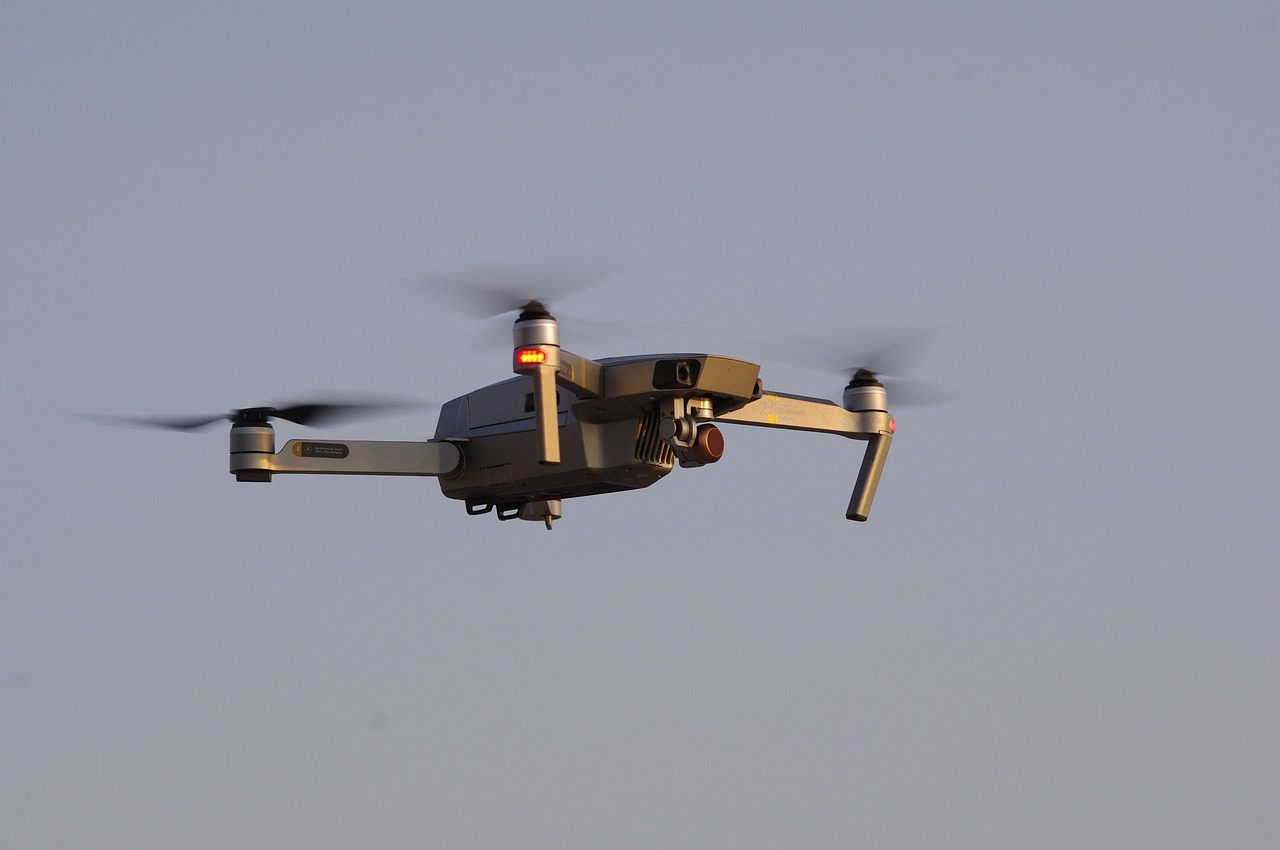
Reduced Costs on Production
3D printing works by depositing material layer by layer instead of removing it, which saves on excess material and reduces waste. Traditional manufacturing, by contrast, works by cutting or removing material from a larger piece, meaning a portion of that raw material ends up as scrap. Since 3D printing only uses what’s needed to build the part, companies spend less on raw materials and generate less waste, driving down overall production costs.
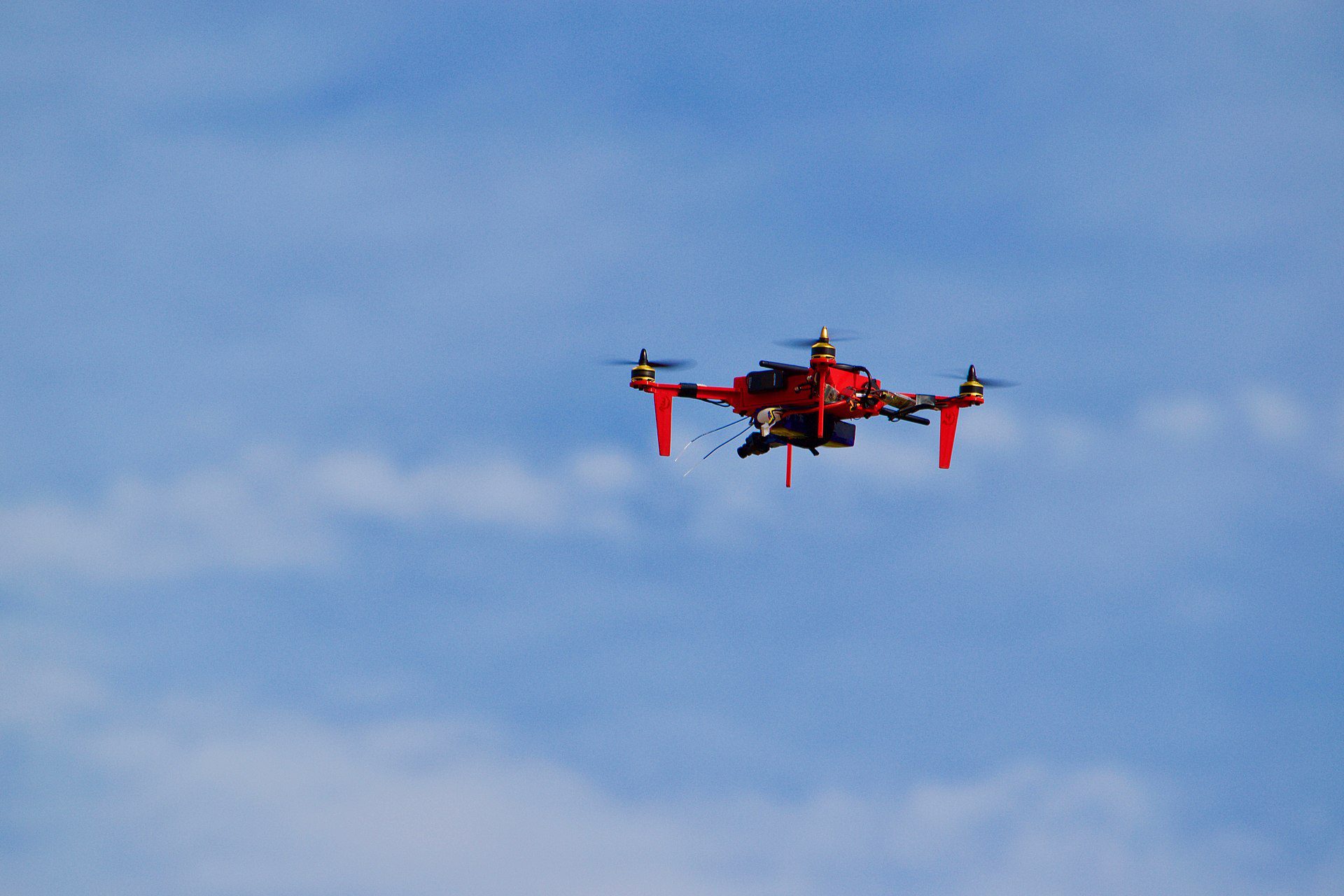
Fast Turnaround for Rapid Iteration
The average 3D printer can produce parts in a matter of hours, meaning significantly lower lead times on critical parts. And due to its speed, teams can now make rapid changes to designs without waiting weeks to test changes. If a component fails testing or needs adjustment, engineers can tweak the design and have a new version in hand the same day, instead of restarting a lengthy manufacturing process from scratch.

Variety of Material Options for Production
3D printing offers a wide range of materials to produce these parts, giving manufacturers flexibility depending on what each component needs to do. 3D printing can produce a rigid part like the frame of a drone, or it can produce a softer part, like a protective guard for propellers. This range means a single manufacturing process can cover nearly every part on the drone, rather than relying on multiple suppliers for different materials.
3D Printing Applications for Drones and Other UAVs
Drones aren’t a one-size-fits-all solution. Every industry has different needs: agriculture, construction, search and rescue, delivery, and off-the-shelf hardware often can’t keep up. 3D-printed drone parts solve this by allowing for customization to fit any industry. Components can be designed and printed for a specific job, whether that means a reinforced frame for rough terrain, a lightweight body for longer flight times, or specialized mounts for cameras and sensors.
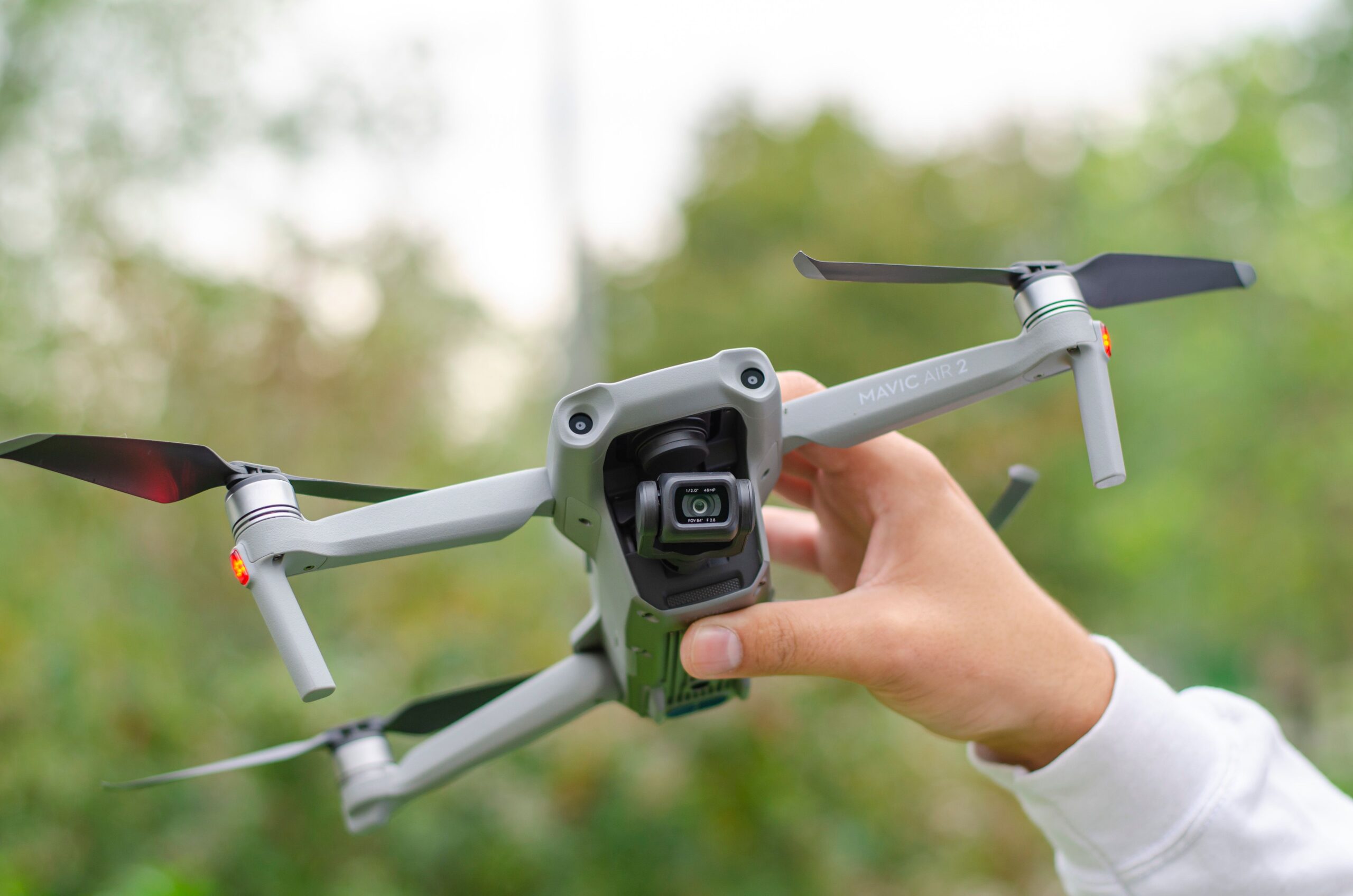
FPV Racing
FPV drone racing is a new and exciting frontier in the world of drones, with applications ranging from entertainment to search and rescue. These drones fly in acro mode without automatic stabilization, allowing for flips, rolls, and other tight maneuvers that standard drones simply can’t perform. They’ve become popular in recent years thanks to competitive drone racing leagues and cinematic applications, where operators need speed and agility to capture dynamic footage. The operator flies using a controller while wearing a headset that activates the first-person point of view, putting them right in the cockpit of the drone as it moves. Since these drones cover such a wide variety of industries and applications, customization of each build is critical to ensure the job gets done, a racing drone built for speed needs a different setup than one built for cinematic stability. Items like drone frames, controllers, battery packs, and more are all created using 3D printing, letting pilots fine-tune weight, durability, and performance for their specific use case.
Agriculture
Agriculture is a critical industry in all regions of the world. Farmers around the world have begun utilizing drones to work smarter, not harder. Drones have been adopted on a large scale, capable of spraying fields with needed pesticides or water across acres of land in a fraction of the time manual methods require. Farmers also use these drones to monitor their farms, checking crop growth, mapping soil composition, managing irrigation, and catching problems before they spread. The agriculture industry continues developing new prototypes for these drones, expanding their capabilities to cover an even wider range of responsibilities on the modern farm.
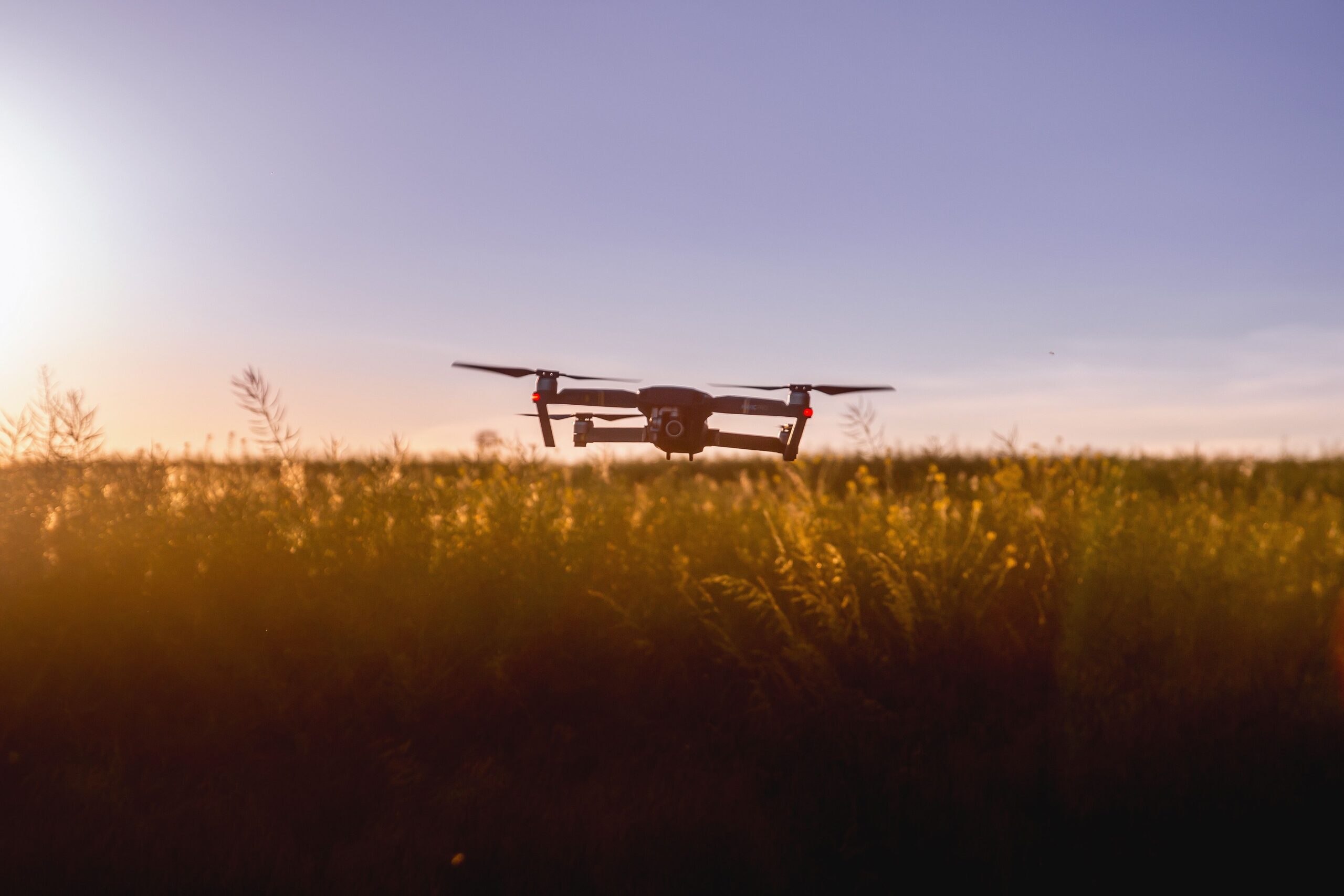
Land Surveying
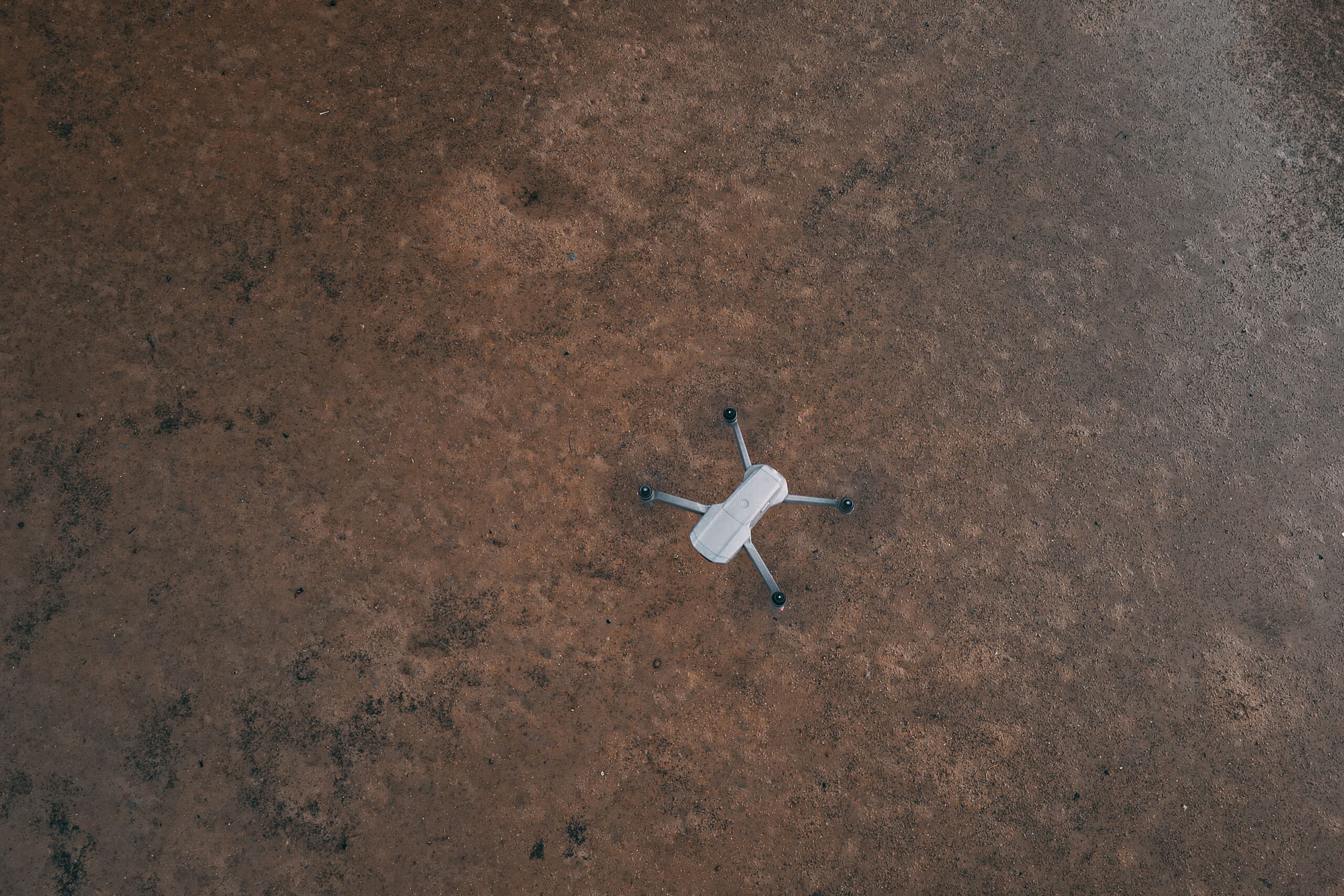
Drones have taken off within civil engineering and land surveying, allowing for quick examination and helping engineers cover far more ground than traditional methods. A single drone can survey tens of hectares in one morning, a task that would take a ground crew days. Thanks to new specialty sensors and cameras, operators can reliably gather large amounts of precise data with these drones. Surveys can capture 2D and 3D scans of an area, generating accurate models that engineers use for planning, monitoring, and analysis.
Real World Example: Illini Autonomous Vehicles
Illini Autonomous Vehicles
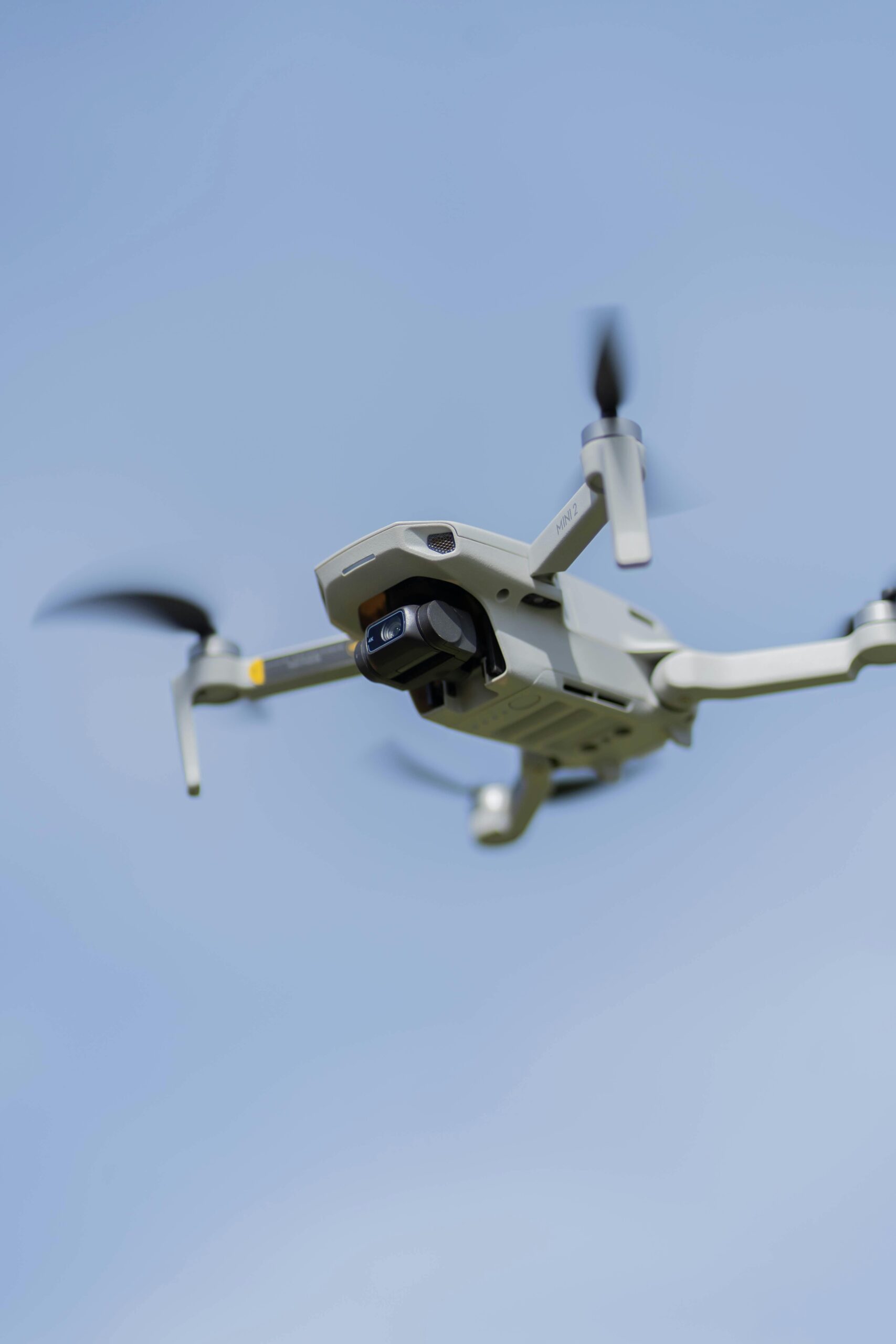
Read about Illini Autonomous Vehicles, a company that uses our 3D printing service for custom-manufactured drone components, such as frames, guards, and more.
Design Guidelines for 3D Printing Drones
3D Printing drones is a complicated process. Drones are a balance of components that result in proper performance. When considering 3d printing drones or any of their components, the user needs to be aware of material limitations and the requirements of the designated part. The design of a drone and the material used go hand in hand. Here are key areas as an example of what to consider when designing.
Drone Frames
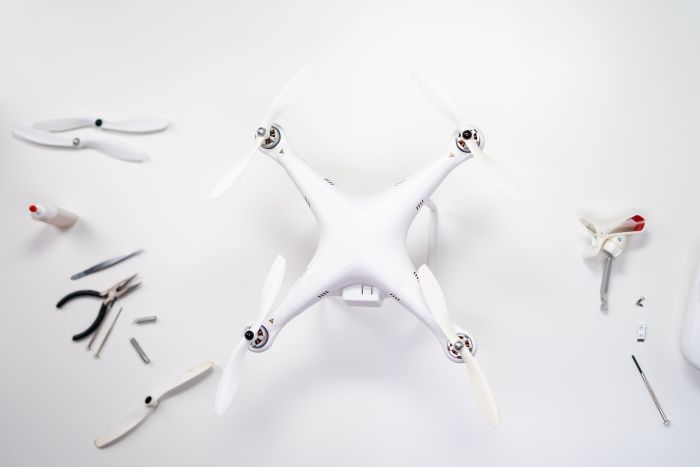
The design of a drone frame and the material used go hand in hand. An ill-fitting material or process will cause a design to fail. It’s important to evaluate which material will properly fit the design of your drone’s frame.
3D printing is ideal for testing prototypes of different materials due to its fast turnaround and material selection. 3D printing can allow you to print multiple frames at once to test a variety of variables with your systems.
Vibration Dampening
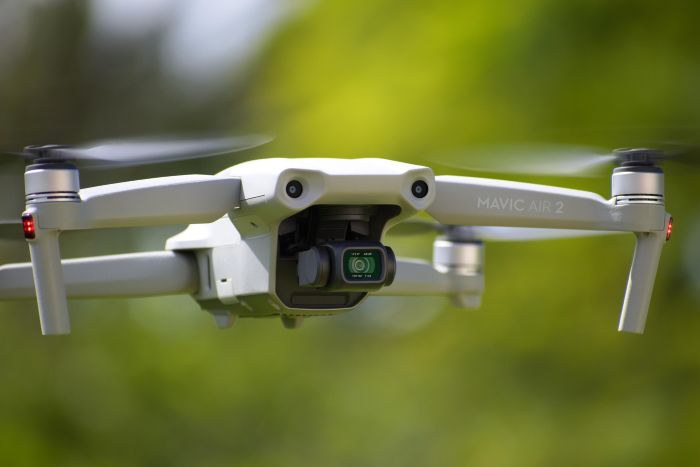
Most modern drones are equipped with cameras or other recording devices, making proper vibration dampening essential for capture quality, flight stability, and overall performance.
Long-term exposure to vibrations can also damage electrical components or loosen mechanical parts over time. Common dampening systems include gimbals, soft mounts, and anti-vibration mounts. Material choice matters too; TPU, for example, helps absorb excess vibration from motors and propellers.
Drone Propellers
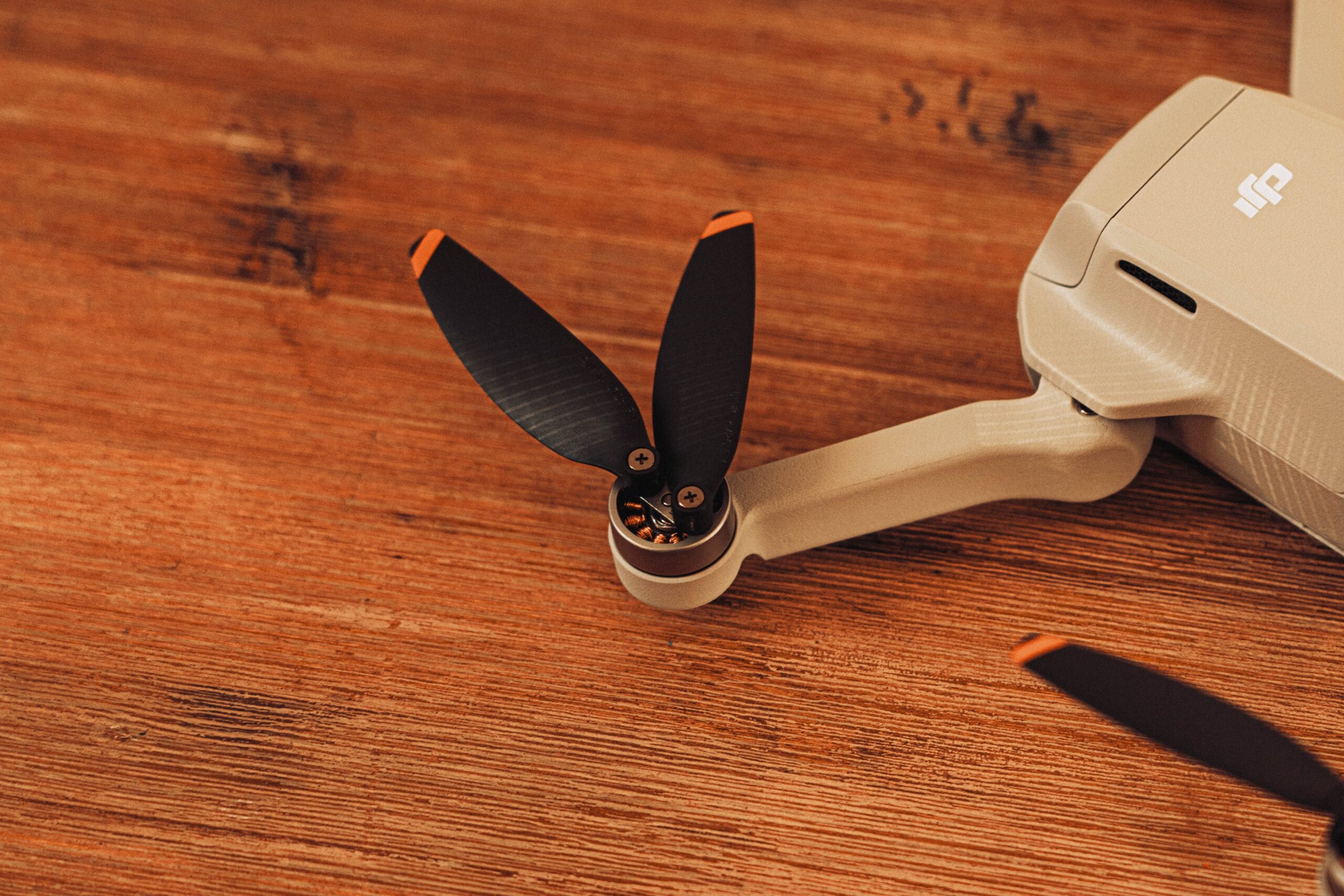
Propellers are one of the components of a drone that are highly recommended not to be 3d printed. Drone propellers are designed to be a fixed shape optimal for aerodynamics. It engineered to balance lift, drag, and structural integrity. They require precise parts to maintain flight. A microscopic imbalance can cause failure at high RPM.
3D Printing propellers makes sense in a few scenarios, such as prototyping, low-stress modes, and on-site repairs for a quick fix.
JawsTec has the Best Materials for Printing 3D Drone Parts
PA2200
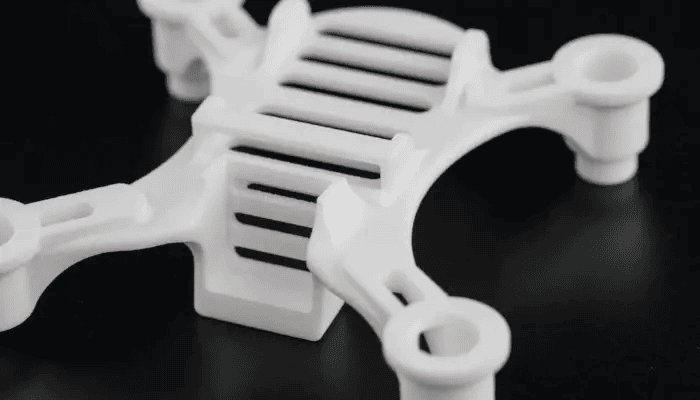
PA2200 is one of the strongest materials within the 3D printing space. It’s a rigid and durable material that, when used with proper design, makes it perfect for drone frames.
It offers a strong, impact-resistant profile ideal for frames. Drones with frames made from this material don’t fail after a crash and are better able to support all the drone’s systems.
TPU
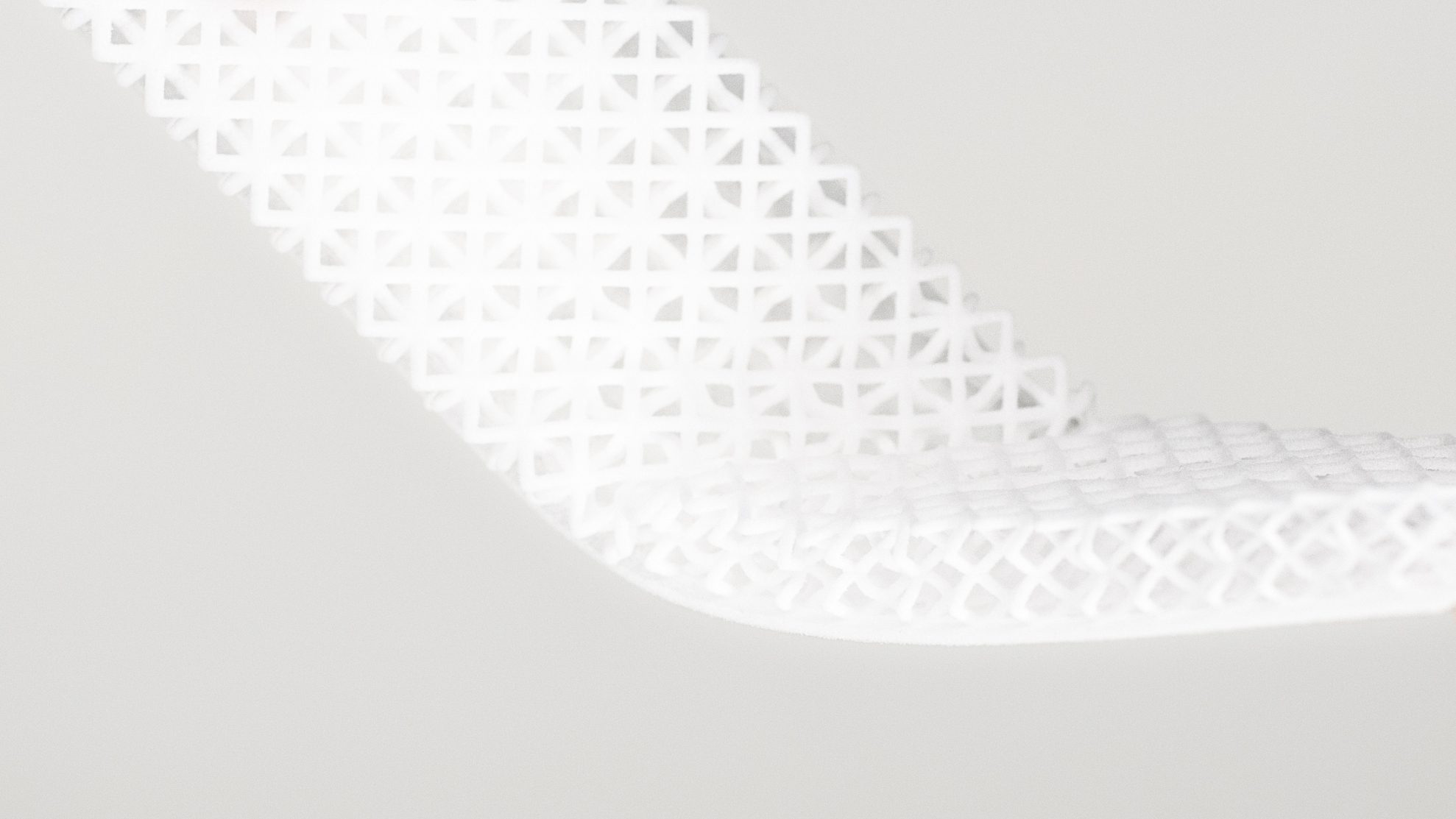
TPU is a soft, rubber-like material that offers a rigid structure while also remaining flexible, making it ideal for drone guards or vibration-dampening systems.
Since it’s a lightweight material, it doesn’t have a massive impact on the drone’s overall weight, keeping performance intact even with added components.
Aluminum
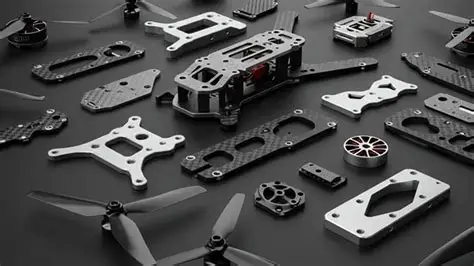
Aluminum is ideal for drone parts that need to be lightweight while maintaining strength, offering great customization and impact resistance for drone frames. Crashes with frames built from this material aren’t doomed to never fly again.
It’s ideal for drones and UAVs due to its strength and lightweight nature, giving builders a durable option that won’t weigh a drone down.
3D Printed Drone Resources
Visit the links below to access some helpful articles and find more information.
3D Printed Drones FAQ’s
-
What is Multi Jet Fusion (MJF) and how is it used in drone manufacturing?MJF is an advanced 3D printing technology that fuses nylon powder layer by layer using a combination of fusing and detailing agents. In drones, it’s used to produce lightweight, strong, and complex parts like airframes, propeller hubs, and custom components that would be difficult or impossible to make with traditional methods.
-
Why choose MJF over other 3D printing technologies for drones?MJF offers high resolution, isotropic strength, and smooth surfaces without support structures. This makes it ideal for drones, where lightweight parts, structural integrity, and tight tolerances are critical for performance and flight efficiency.
-
Can MJF parts handle the stresses drones experience during flight?Yes. MJF parts are made from durable nylon materials and can be engineered with internal lattice structures for rigidity. While not all materials match metals in extreme stress conditions, MJF provides a strong balance between weight and mechanical performance suitable for many drone applications.
-
Are MJF-printed drone parts suitable for production or only prototyping?Both. MJF is widely used for rapid prototyping due to its speed and accuracy, but it’s also increasingly used for low- to medium-volume production of functional drone components, particularly when custom or complex geometries are needed.
-
How lightweight can MJF drone parts be?Thanks to the ability to create internal lattices and hollow structures, MJF parts can be extremely lightweight while maintaining strength. This is especially beneficial for drones, as reducing weight improves flight time, maneuverability, and payload capacity.
-
What post-processing options exist for MJF drone components?MJF parts can undergo finishing techniques such as dyeing, smoothing, or coating to improve aesthetics, surface feel, and durability. For functional drone parts, post-processing may focus on sealing or reinforcing structural areas without adding significant weight.
-
What file types do you accept for drone part uploads?We accept STP, STL, OBJ, and 3MF files. We review it before printing to ensure its optimized for strength and manufacturability.
-
How fast can I get my drone parts?Most orders ship in 4–5 days, depending on part complexity and finishing needs. Expedited shipping is available.
-
How accurate are the 3D printed drone parts?MJF and SLS typically achieve ±0.2–0.3 mm tolerances, which is tight enough for most drone frames, motor mounts, and electronic housings. For parts requiring precision fitment, we optimize orientation and print settings to ensure consistent, repeatable results.
-
Can 3D Printing be used for Racing Drones?Read More about 3D printing for racing drones here.