
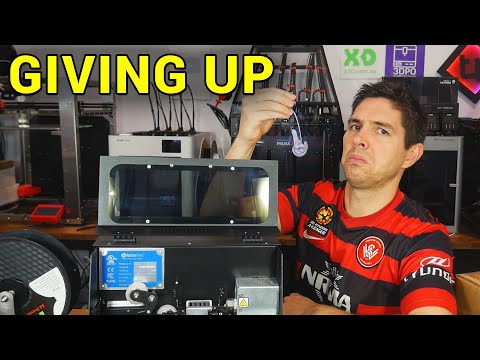
The Dream of Recycled 3D Print Filament
Making recycled 3D print filament from failed prints sounds perfect. You reduce waste and save money on materials. But is it actually practical for home users?
Michael from Teaching Tech, a popular 3D printing YouTube creator, recently shared his journey. After years of effort and significant investment, he decided to give up. His experience offers valuable lessons for anyone considering filament recycling.
The ReDeTec Protocycler+ Experience
The Protocycler+ promises to turn plastic waste into usable filament. It grinds, melts, and extrudes material into spools you can print with again. The concept is appealing for eco-conscious makers.
However, the reality proved challenging. Consistent diameter control was a constant struggle. Even small variations cause print quality issues.
Key Problems Encountered
- Filament diameter inconsistency affects extrusion
- Material contamination from mixed plastics
- Time investment exceeds cost savings
- Maintenance requirements are demanding
- Quality never matched commercial filament
Why Home Recycling Falls Short
Industrial filament production uses precise temperature control. Manufacturers also use virgin pellets with known properties. Home recyclers work with degraded, mixed materials instead.
Each heating cycle degrades plastic polymers slightly. Recycled material has already been melted at least once. This affects strength and printability.
If you’re working on projects where material strength matters, recycled filament may disappoint. The inconsistency makes it unsuitable for functional parts.
The Hidden Costs
Equipment like the Protocycler+ costs hundreds of dollars. Add electricity, replacement parts, and your time. The math rarely works out favorably.
- Equipment purchase price is substantial
- Ongoing maintenance costs add up
- Hours spent troubleshooting have value
- Failed prints from bad filament waste more plastic
Better Alternatives for Eco-Conscious Printing
Reducing waste starts before recycling. Optimize your prints to minimize supports and failures. Designing parts that print without supports cuts waste significantly.
Consider collecting waste for commercial recyclers. Some communities accept clean, sorted plastics. This feeds industrial processes designed for recycling.
When Professional Services Make Sense
For important projects, consistent material quality matters most. Professional 3D printing services use industrial-grade materials with verified properties.
JawsTec offers various printing technologies with quality-controlled materials. When your project demands reliability, getting a professional quote often makes more sense than fighting inconsistent home-recycled filament.
Practical Takeaways for Your Workshop
Don’t feel guilty about not recycling every failed print. The technology for home filament recycling isn’t mature enough yet. Your time and frustration have value too.
Focus on reducing waste through better design instead. Learn proper print orientation and settings. Fewer failures mean less waste overall.
Teaching Tech’s honest assessment helps the community. Not every cool idea works out practically. Sometimes knowing what doesn’t work saves everyone time and money.
The Future of Filament Recycling
Home recycling technology may improve over time. But for now, the best approach combines waste reduction with realistic expectations. Commercial filament remains more reliable for quality prints.
Save your creative energy for designing great parts. Let specialized facilities handle the recycling challenges. Your prints will thank you for using consistent, quality materials.
Sources
Source: Giving up on making recycled 3D print filament – ReDeTec Protocycler+ review by Teaching Tech (YouTube) — https://www.youtube.com/watch?v=jiK87J6OYnk