
SLA 3D Printing Service
What is SLA 3D printing?
SLA 3D printing (Stereolithography) is an additive manufacturing process that uses a UV laser to cure and solidify liquid photopolymer resin into a hardened plastic part, layer by layer. During the SLA process, a build platform sits inside a vat of resin while a precision laser traces the cross-section of the digital design, curing each layer before the platform moves to form the next. This method produces highly detailed parts with smooth surface finishes and tight tolerances, making it one of the most accurate 3D printing technologies available.
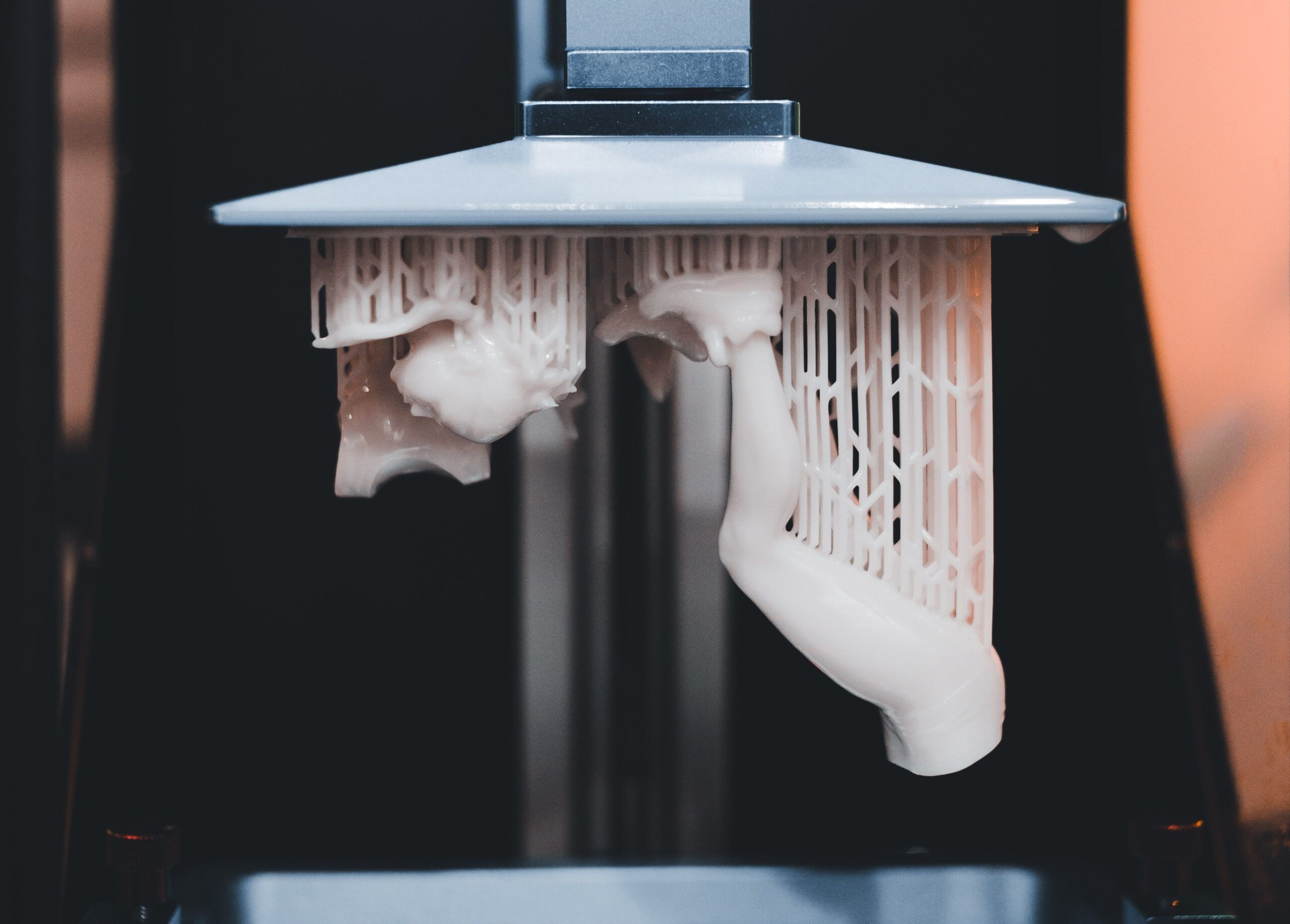
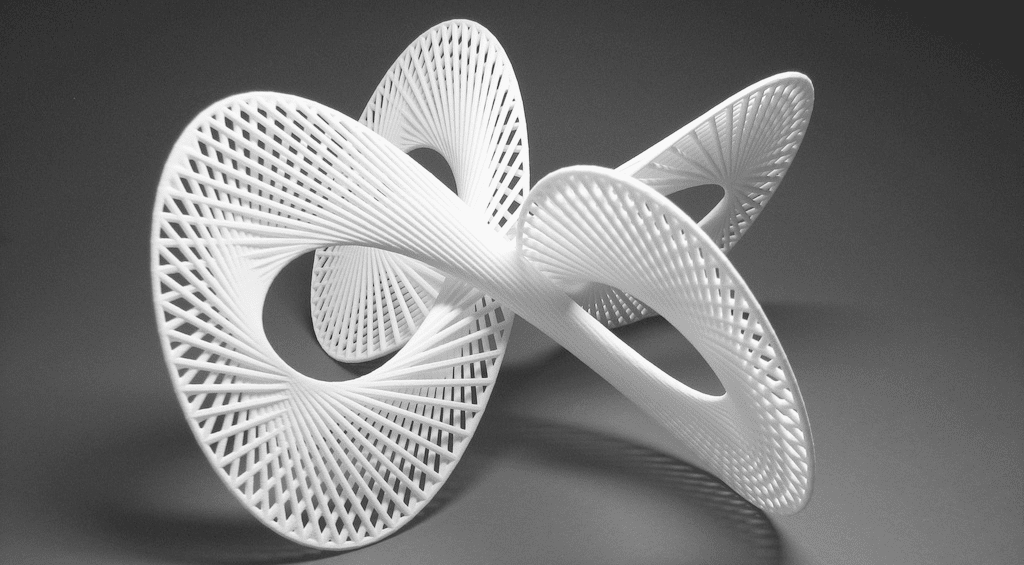
SLA 3D printing is commonly used for functional prototypes, cosmetic models, molds, and low-volume production parts that require fine features and clean surface quality. Because it can replicate intricate geometries and polished finishes, SLA is often chosen as an alternative to injection molding for prototyping and short-run manufacturing, especially when tooling costs and long lead times need to be avoided.
SLA 3D Printer Capabilities
Maximum part size |
Standard lead time |
Tolerance |
Layer height |
Minimum feature size |
| 580mm x 580mm x 380mm | 20 business days | 200µm | 50µm – 200µm | 1 mm |
SLA 3D Printing Materials Comparison
Compare all our options
Material |
Default Color |
Weaknesses |
Strengths |
Applications |
| SLA High Temp TS | dark blue/navy | limited color options | durable, functional structures | automotive parts |
| SLA Imagine Black | black | slightly weaker than nylon | chemical resistant | chemically resistant parts |
| SLA Proto Plus | white | less durable than other options | highly precise capabilities | consumer medical parts |
| SLA Smooth GP | white | not UV resistant | high performance, waterproof | electronic modification parts |
| SLA Tough Plus | white | easily impressioned | outstanding details | prototype or test parts |
| SLA Tough Resin Green | light yellow/green | unique default color | quick and efficient printing time | end use parts |
| SLA Transparent Plus | transparent | may contain small air bubbles | transparency ability | concept model parts |
| SLA Watertight Proto | white | default color limitations | durable mechanical structures | watertight parts |
Post-processing for SLA
Our SLA parts come with a raw finish only. Because SLA printing produces an exceptionally smooth surface right out of the printer, no extra finishing is usually needed. Please note that dyeing is not available for SLA materials.
Have questions about SLA post-processing? We’re happy to help — reach out at [email protected].
SLA Compared to other 3D printing technologies
Materials |
Price |
Strengths |
Max. part size |
Layer thickness |
Min. feature size |
|
SLM |
Aluminum, 316L Stainless Steel, 17-4 Stainless Steel | $$$ | Metal parts | 400mm x 320mm x 320mm | 50µm – 200µm | 1 mm |
SLA |
Proto Plus, WaterTight, Smooth GP, Transparent Plus, Tough Plus, High Temp TS, Imagine Black | $$ | Smooth surface finish | 580mm x 580mm x 380mm | 50µm – 200µm | 1 mm |
SLS |
Nylon PA12, Nylon PA2200, Thermoplastic Polyurethane (TPU) | $$$$ | High precision |
|
120 µm | 1 mm |
MJF |
Nylon PA12, Nylon PA11, GLass Filled Nylon, Polypropylene, Full Color(CBPA12) | $ | Strong structures | 380mm x 280mm x 380mm | 80 μm | 1 mm |
Why should you choose SLA 3D printing?
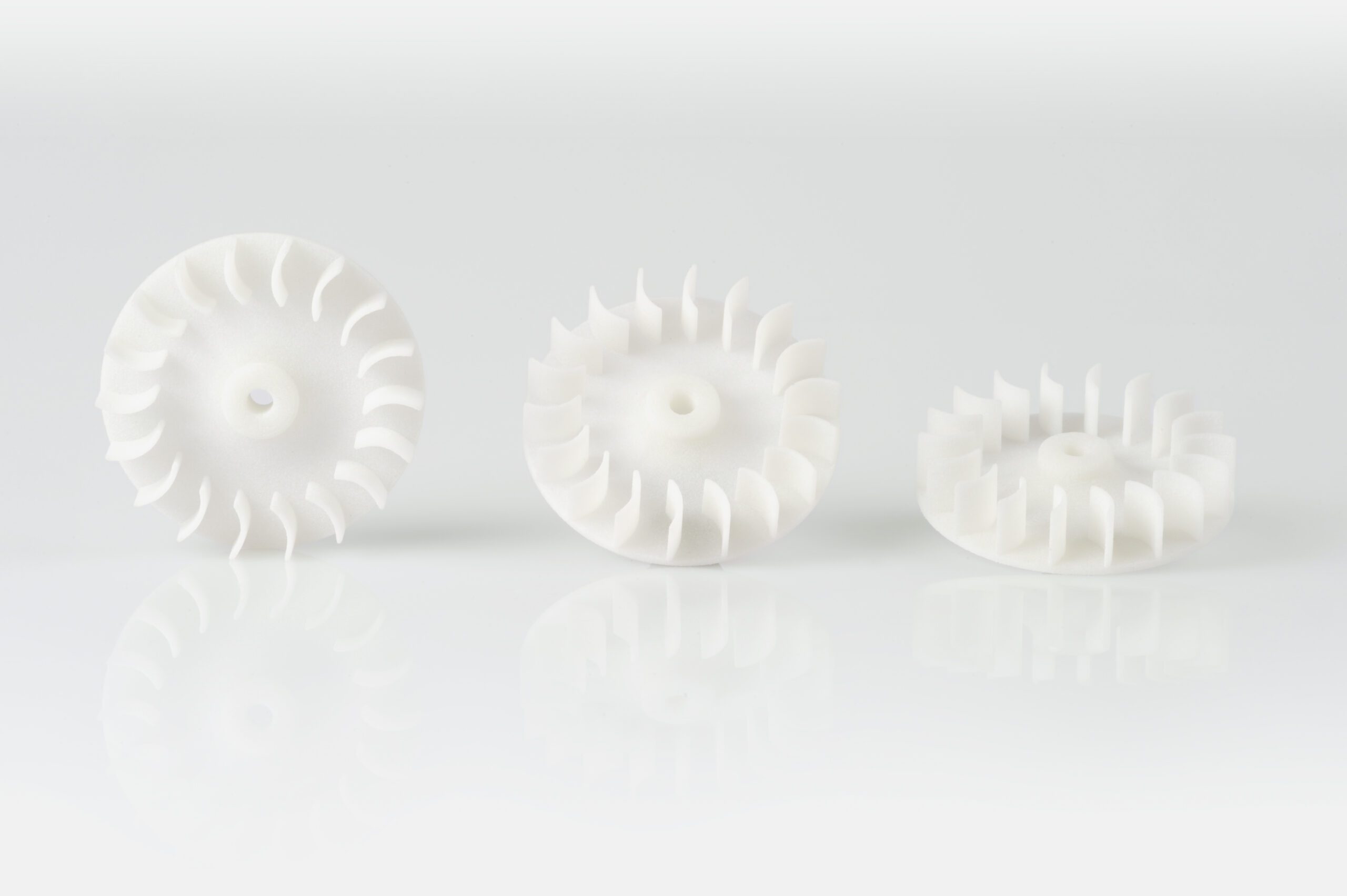
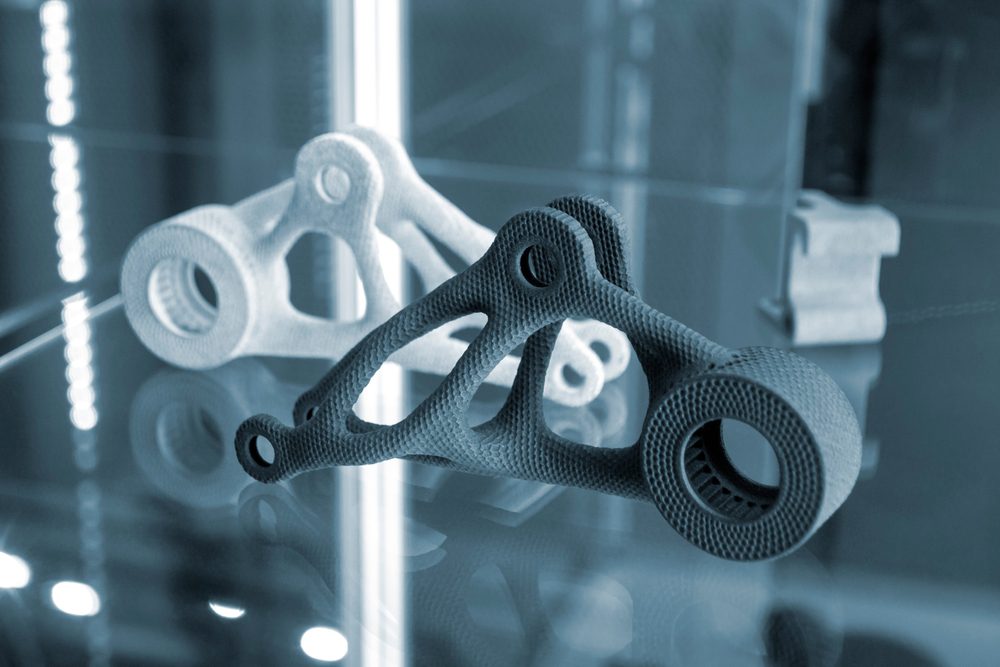
SLA printing delivers high-quality parts with smooth surfaces and strong structural integrity to meet your needs. While color options are limited, you can select from our available natural material tones for your prints.
Read about each SLA material here.
We have high standards for SLA 3D printing
Our JawsTec Standards are top of the line and professional grade. We promise to deliver your parts quickly and to fulfill your expectations.
Read more about our RMA process, material certifications, and quality requirements here.
Advantages and drawbacks of SLA 3D printing
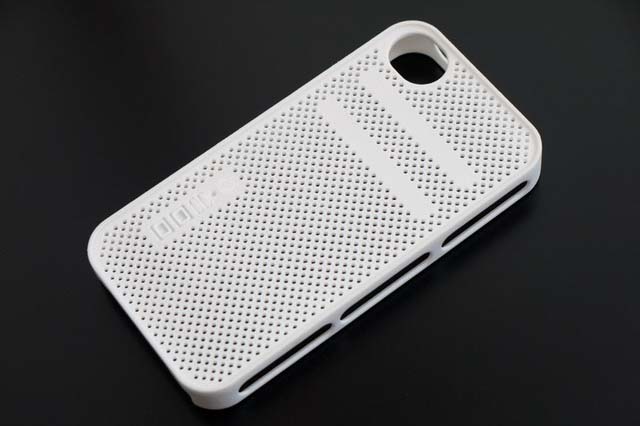
Advantages
- Structurally reinforced parts
- Highly precise geometries
- Substitute for inject molding
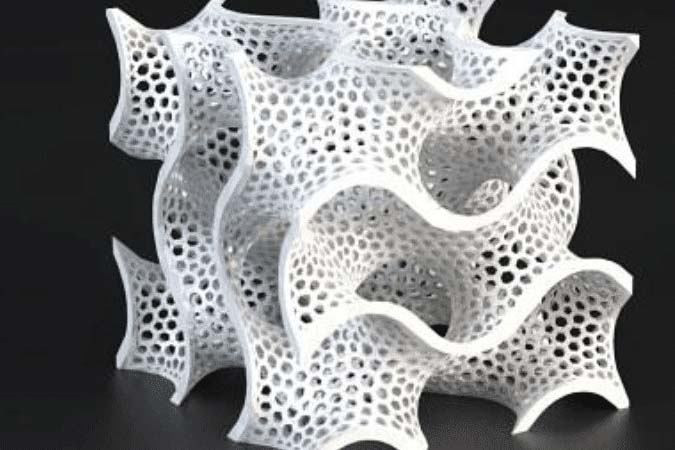
Drawbacks
- Limited color options
- More expensive than nylon printing
- Less suited to mechanically functioning parts
Designing files for SLA printing
When designing CAD files for SLA printing, it is important to remember some requirements for successful designs.
1. Add external support posts that will be needed during printing and can be removed in post-processing
2. Ensure sufficient wall thickness and space between features to minimize warping
3. Text or embossed details should be at least 0.1mm above surface

More resources for 3D printing
Visit the links on the right to learn more about 3D printing! Or, you can visit our blog to explore other helpful articles and information.
Want to learn more about 3d printing?
Our Other 3D printing processes
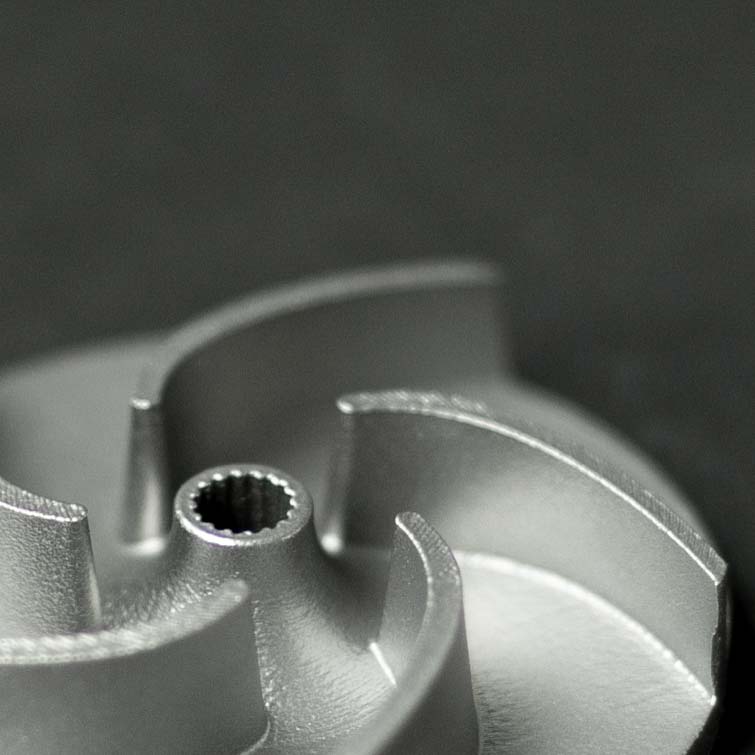
SLM
Need to print some metal parts? We've got you covered with our SLM printing technology.
- Lightweight metal parts
- Highly customizable metal parts
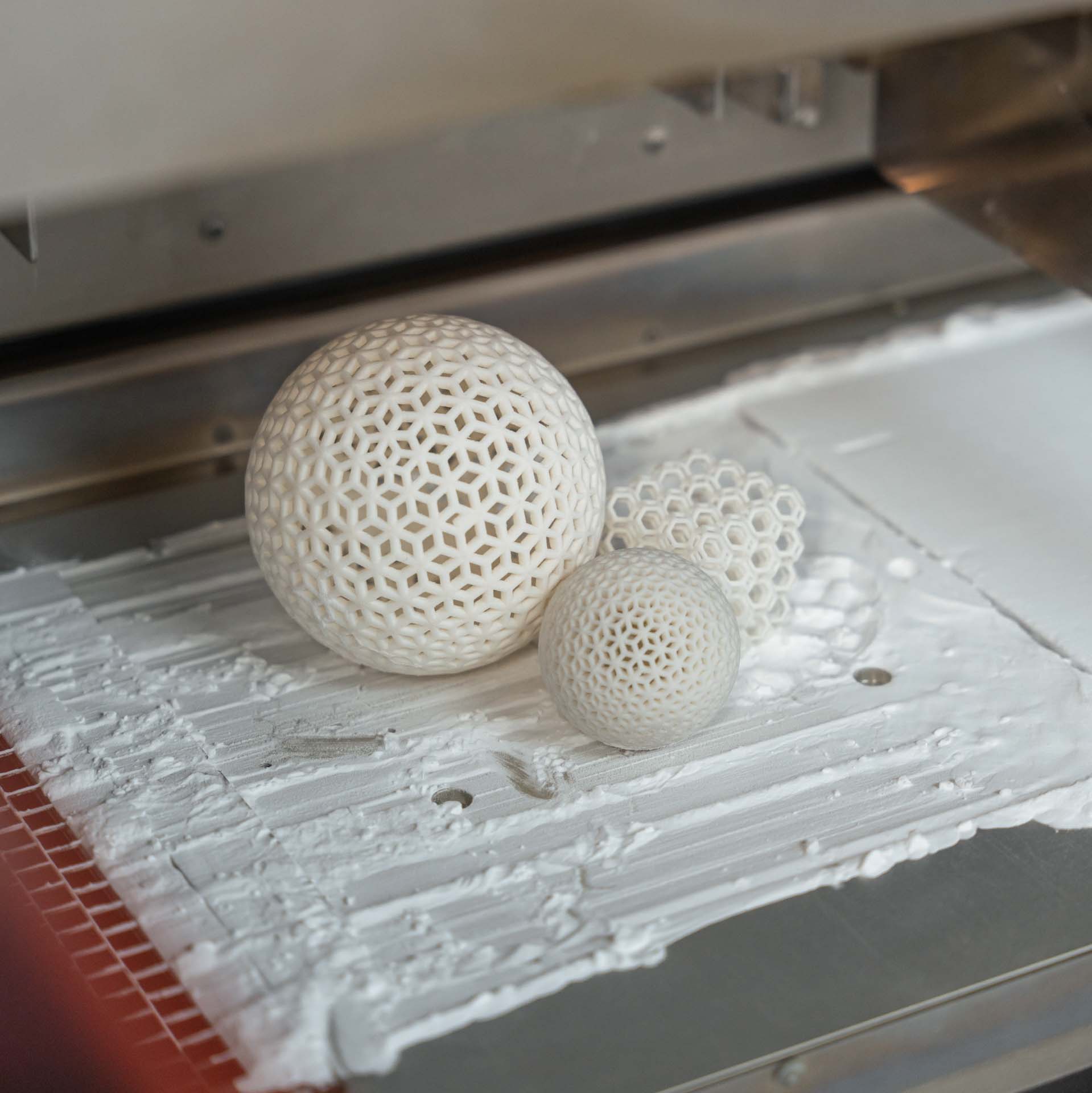
SLS
Looking for another option to print nylon parts? Check out the SLS process
- Dimensional accuracy
- Chemical resistance
MJF
Looking for a cheaper 3D printing option? MJF is the way to go.
- Faster lead times
- Color options