
Inkbit Vision-Controlled Jetting™ (VCJ) Service
InkBit's Vision-Controlled Jetting (VCJ) process delivers high-accuracy, Industrial-Grade Elastomer 3D prints with fine detail and consistent mechanical performance. VCJ enables the production of intricate foam-like structures, impossible to manufacture with other 3D printing or traditional manufacturing technologies. It is well-suited for seals, gaskets, cushioning components, and complex geometries that require soft, functional performance without tooling.
Summary
Inkbit’s Vision-Controlled Jetting (VCJ) technology produces high-precision, functional elastomer parts with superior surface finish and unmatched dimensional accuracy. By utilizing a real-time, closed-loop layer correction system and wax supports, VCJ ensures parts with consistent compression behavior and minimal post-processing. With the ability to produce soft, compliant materials and fine features and lattice structures, VCJ is ideal for high-fidelity prototyping, medium-volume production, and complex soft components.
What is Vision Controlled Jetting?
Vision-Controlled Jetting (VCJ) is a next-generation additive manufacturing platform combining inkjet deposition with high-resolution 3D scanning and closed-loop process control. Traditional additive systems rely on mechanical process control limiting material choice. VCJ’s real-time adaptive print process and contactless jetting unlock the use of advanced, production-grade chemistries like TEPU™ that deliver unmatched performance and part quality.
The Process:
1. Deposition: TEPU resin and molten wax droplets are jetted layer-by-layer. Wax is used as a support material that is later removed.
2. Scanning: High-resolution 3D scanner captures each layer’s topography.
3. Correction: The system automatically adjusts the deposition of the next layer to compensate for any deviations before UV-curing.
4. Curing: Layers are cured to achieve desired mechanical properties.
5. Post-Processing: Wax support material is melted away, leaving a clean, smooth part with no mechanical scarring or need for manual sanding.
.
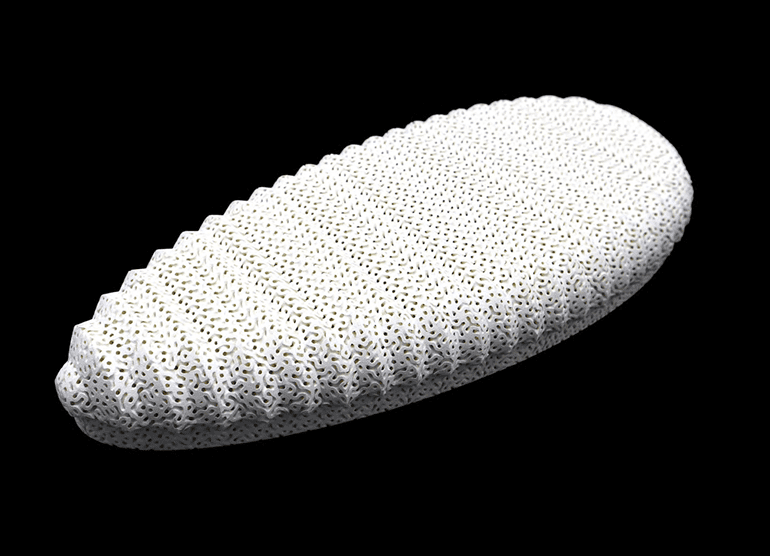
Image Courtesy of Inkbit
VCJ Capabilities
| Maximum Build Size | Liner Accuracy | Minimum Wall Thickness | Minimum Hole Diameter | Internal Channels |
| 450 x 237 x 200 mm | +/- 40 μm + 0.3% of feature size (XY) | 0.5 mm (suggested 1 mm for reliable results) | 0.5 mm | 1.5 mm or larger (to ensure wax drainage). |
VCJ vs Other 3D Printing Technologies
| Feature / Criteria | VCJ | MJF | SLS | SLA |
| Materials Available | TEPU 50/30A | PA12, PA12 Smooth & More | PA2200, PA12 & TPU | Resin |
| Typical Cost | $$ Moderate | $-$$ Cost Effective | $$$ Higher | $$ Moderate |
| Strength / Durability | Good | High | High | Moderate |
| Surface Finish | Smooth | Smooth/Grainy | Grainy | Very Smooth |
| Best For | Flexible /Soft functional parts | Production / Prototyping parts | Durable parts | High detail parts |
TEPU™ Elastomer Properties
| Material | Shore Hardness | Color | Key Strengths | Typical Applications |
| TEPU 30A | 30A | White |
|
Soft seals, damping, compliant interfaces, skin interfaces |
| TEPU 50A | 50A | Light Grey |
|
Industrial gaskets, seals, cushioning |
Surface Quality & Finishing
VCJ parts achieve a high-quality finish because the wax support material is melted away, leaving no "divot marks" or scarring. Once cleaned, the result is a smooth surface that eliminates the need for manual sanding or picking. This enables the production of parts with clean, intricate internal geometries.
While side and bottom surfaces are exceptionally smooth, top surfaces may show slight characteristic differences due to the jetting process
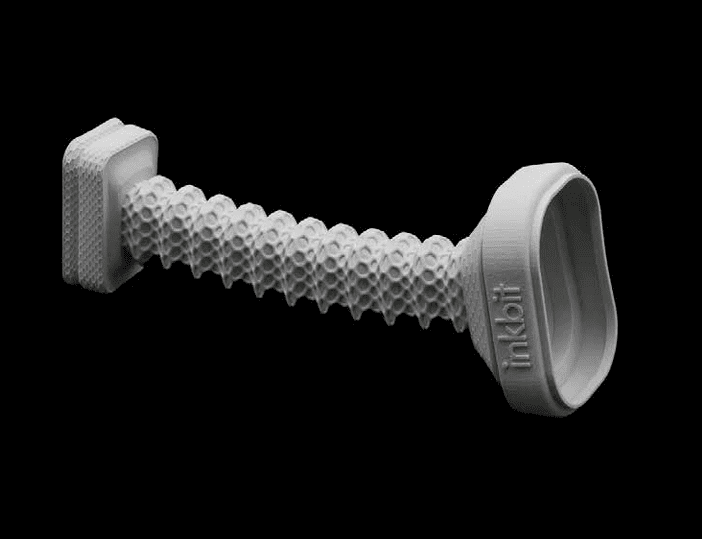
Image provided by Pantheon Designs
Advantages and drawbacks of VCJ 3D printing
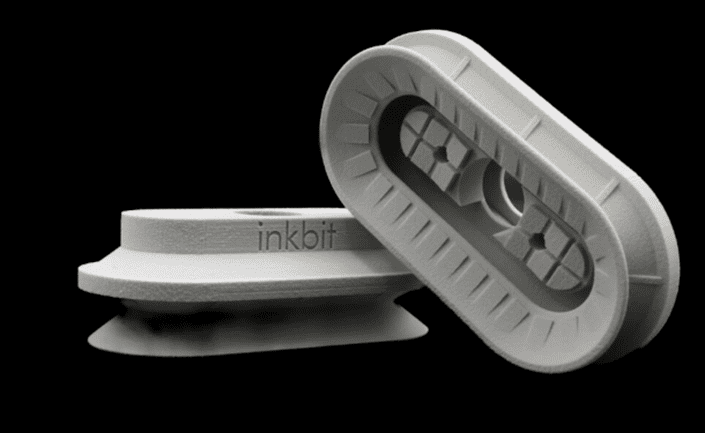
Advantages
- Production Repeatability: Real-time correction ensures part-to-part consistency.
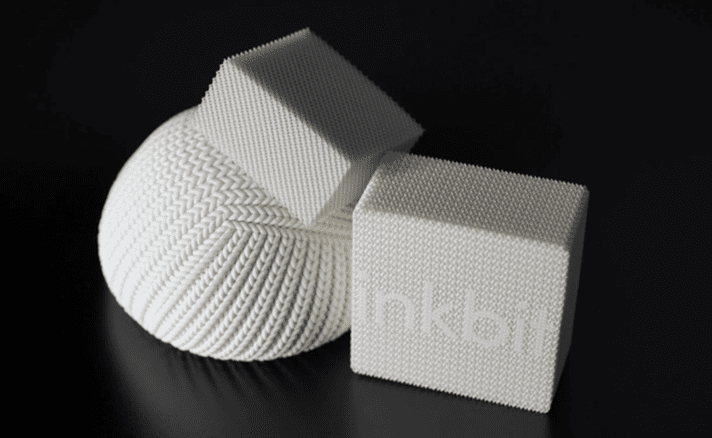
- Geometric Freedom: Capable of printing fine foams and internal channels impossible for other methods.
- Material Performance: Clean surfaces and consistent compression behavior make it ideal for gaskets and foam-like applications.
Drawbacks
More resources for VCJ 3D printing
Visit the links on the right to learn more about VCJ 3D printing! Or you can visit our blog to explore other helpful articles and information.
Our Other 3D printing processes
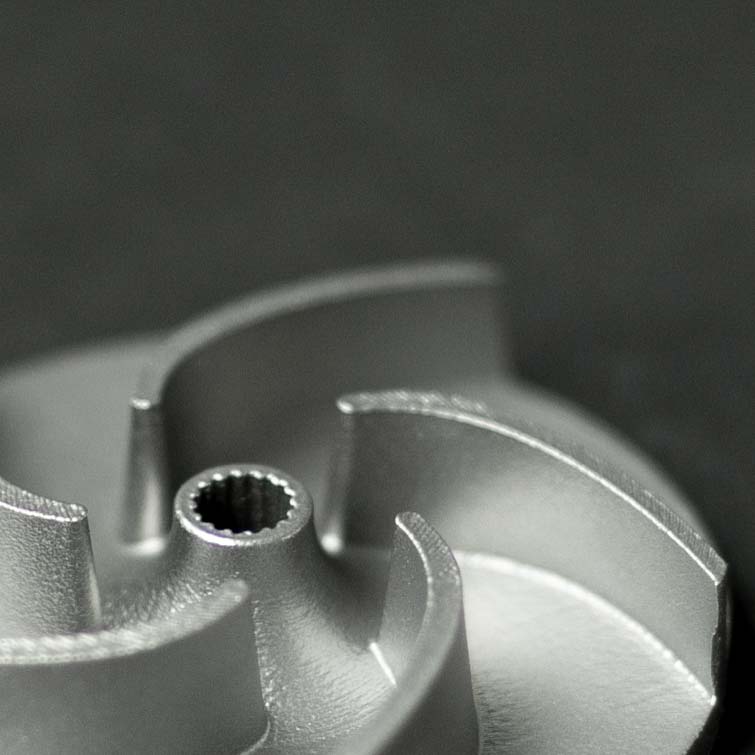
SLM
Need to print some metal parts? We've got you covered with our SLM printing technology.
- Lightweight metal parts
- Highly customizable metal parts
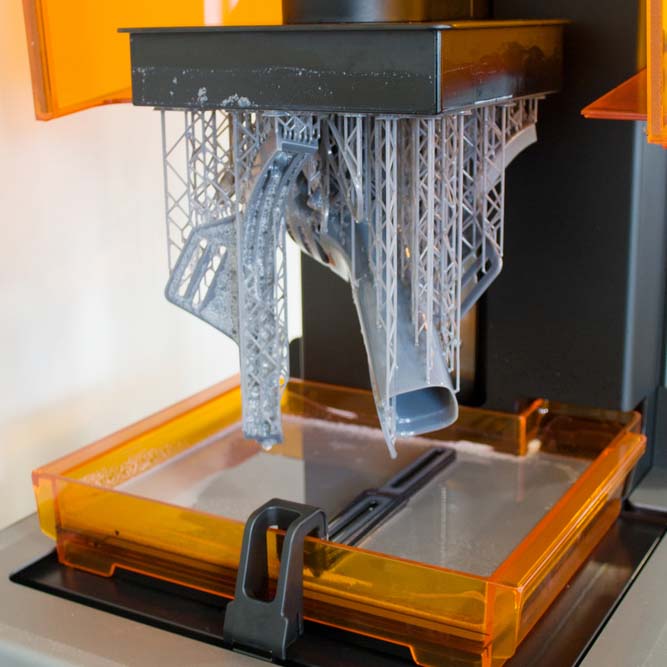
SLA
Looking for another option to 3D print your parts? Check out the SLA process
- Dimensional accuracy
- Smooth surface finishes
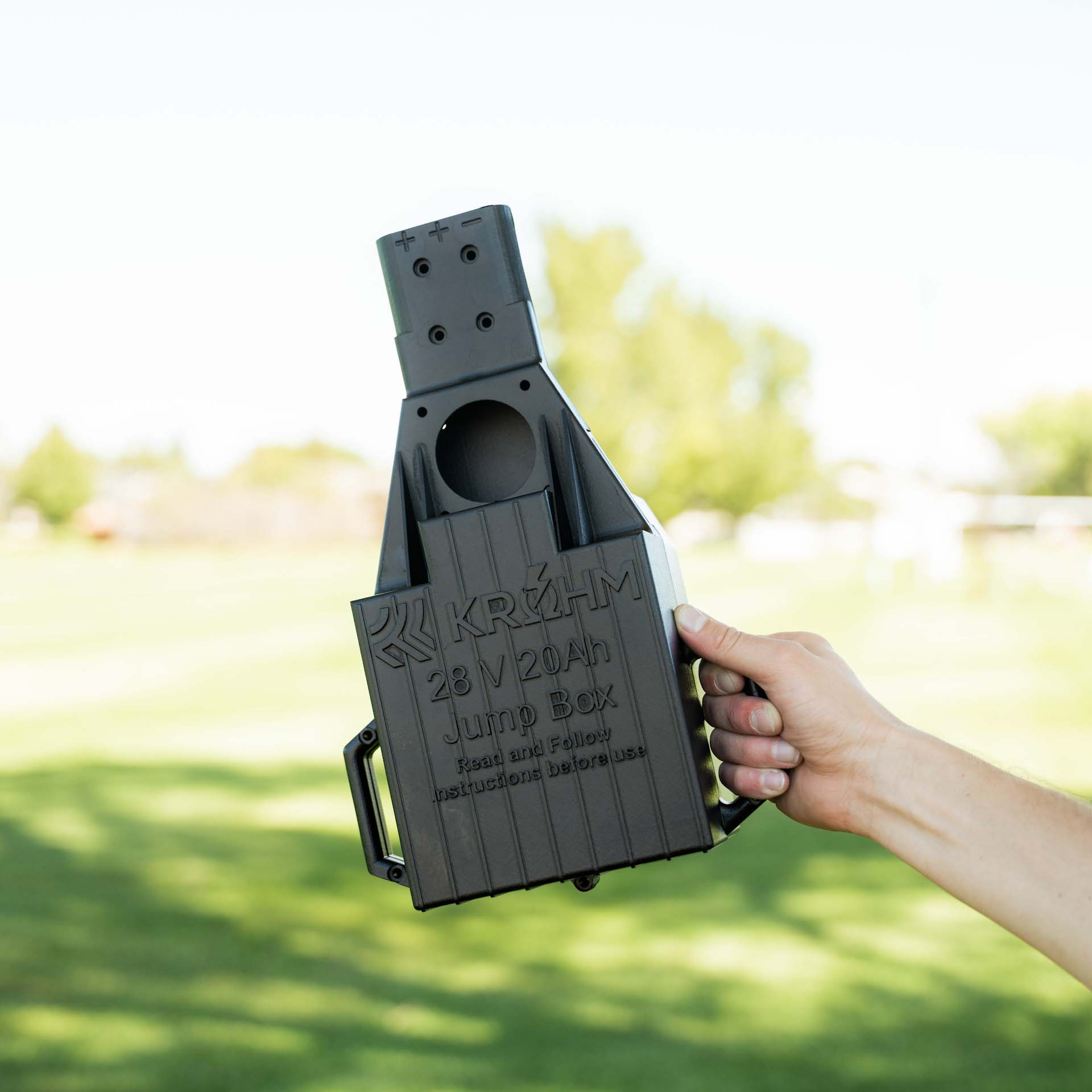
MJF
Want a slightly cheaper 3D printing option than SLS? Take a look at the MJF process.
- Cost-effective process
- Watertight structures