
Medical 3D Printing
ISO 9001:2015-compliant manufacturing with reliable lead times — trusted by medical device engineers to prototype, validate, and produce traceable, application-appropriate parts without tooling delays.
All Uploads are Confidential and Secure

3D Printing for Medical Purposes
Healthcare has been constantly advancing; it’s how we have been able to keep making strides in curing and treating new and old ailments. The healthcare industry relies on technology like 3d printing every day to continue solving these problems. From custom casts and molds to full limb prostheses, this technology has changed the field.
Medical 3d printing is now a leading solution used in conjunction with other healthcare advancements. It has allowed a new generation of nurses and doctors to practice skills previously rare to see and treat. 3D printing is a tool that will continue to evolve with time. This page breaks down the ways we’re currently using this technology and delivers expert advice on material use.
How 3D Printing has Benefited the Medical Industry
Educational Training and Opportunities
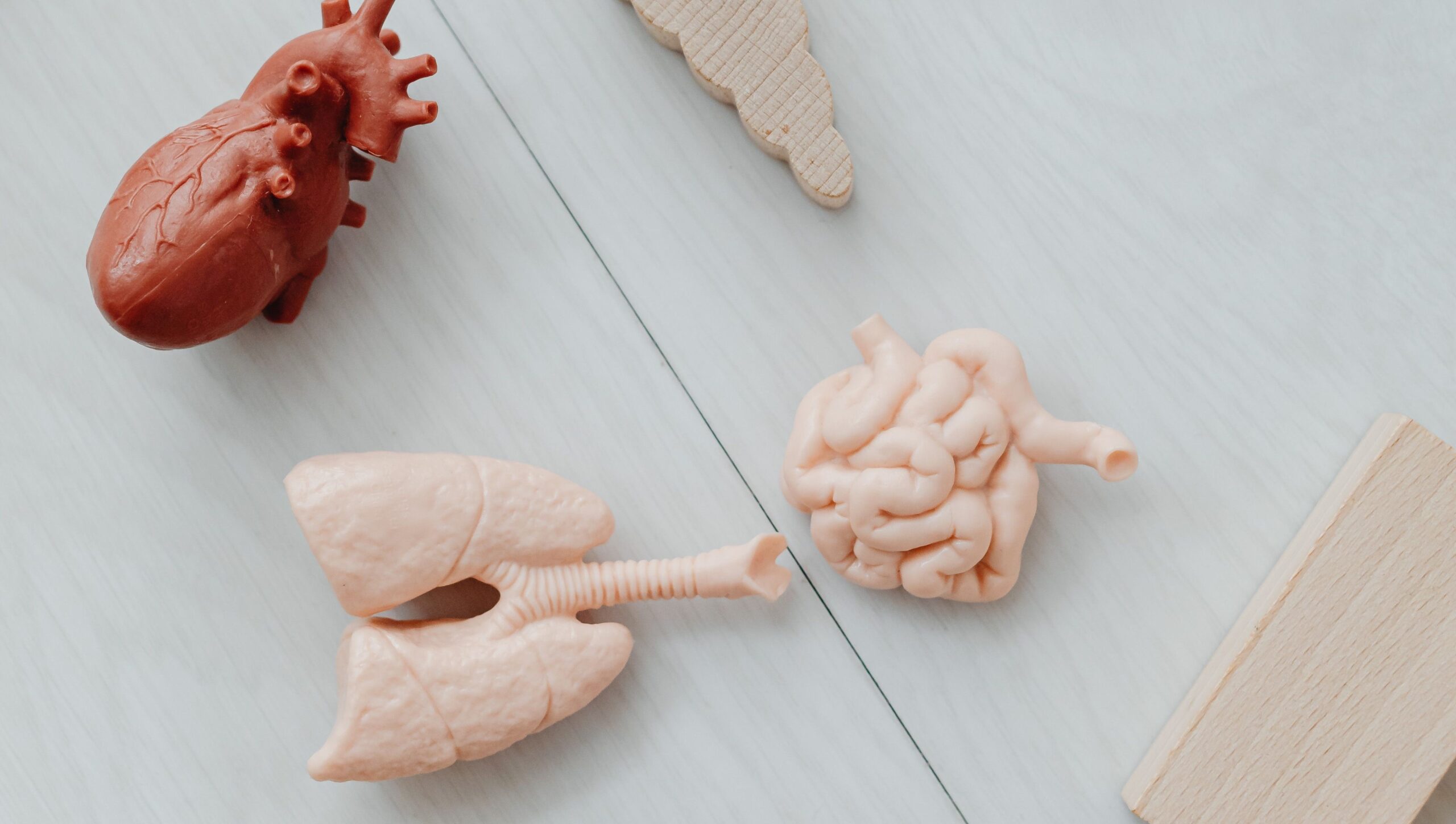
Anatomically correct models are now being used to practice real, high-risk operations such as heart and brain surgery. By taking a 3D scan of a patient, surgeons can model that patient’s exact anatomy and rehearse the best treatment approach before ever entering the operating room. These procedures are highly specialized and require precision, which is why realistic rehearsal beforehand is so valuable.
Rapid Prototyping for Prosthetics and Devices
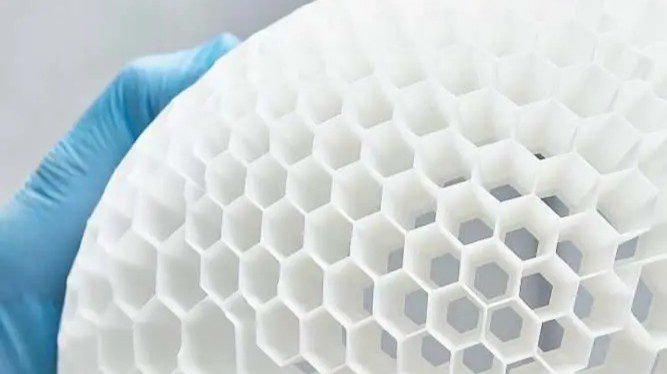
3D printing allows for rapid adjustments and custom molding to fit each patient’s unique needs. Prostheses are often expensive and can require multiple rounds of testing and fitting before reaching the right result. Through 3D scanning and printing, doctors can now capture a patient’s exact dimensions and create a customized, precise fit from the start. Speeding up production, allowing for quicker fittings, faster testing, and less time spent waiting between adjustments.
Reduce Supply Chain Shortages
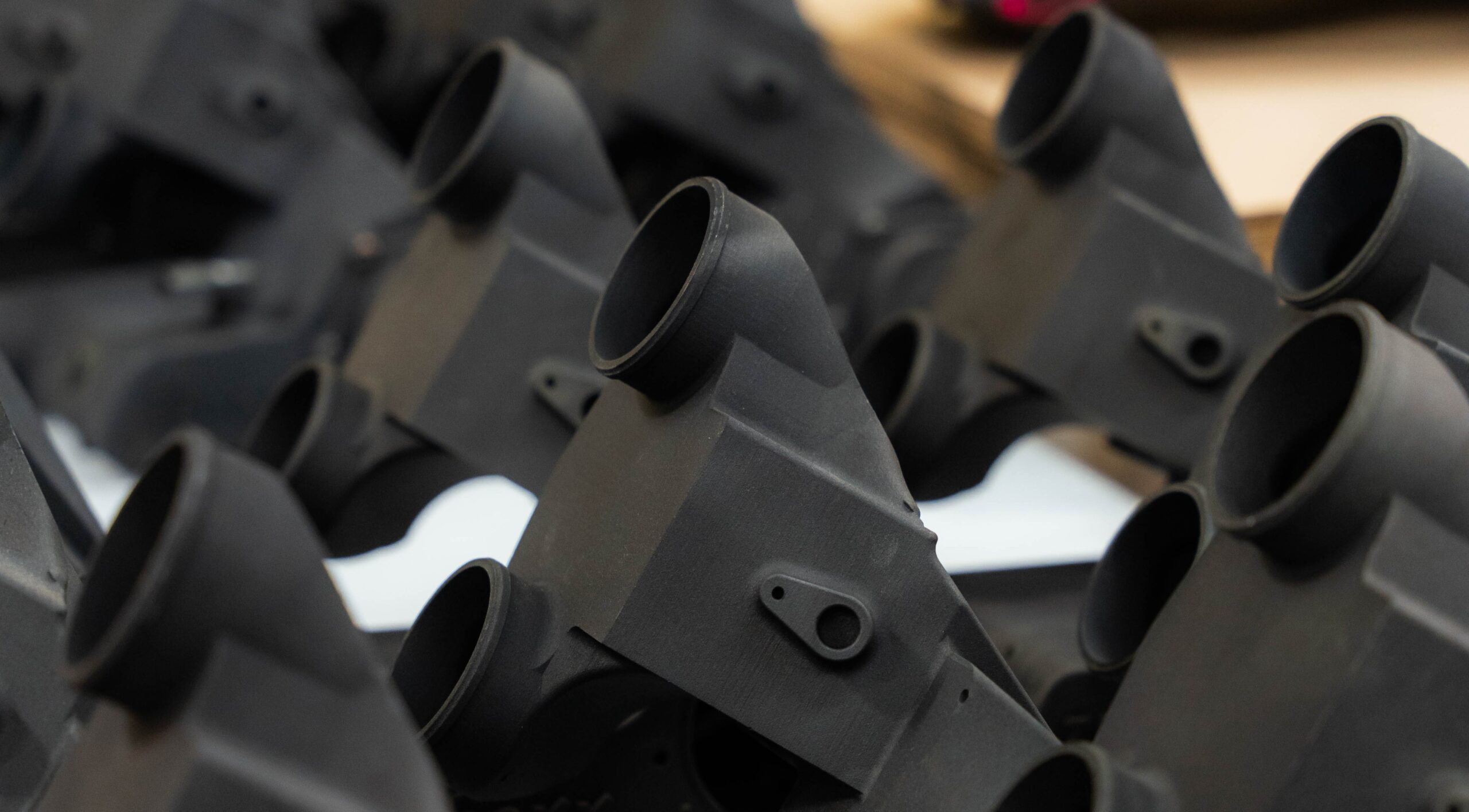
No longer must practices rely on slow and expensive supply chains for critical equipment. Devices and components can now be printed in-house or sourced from a nearby manufacturer, cutting both wait times and costs. This became especially clear during the pandemic, when items like protective masks were 3D printed to address shortages, allowing practices to continue operating without interruption when traditional supply chains couldn’t keep up.
Medical Applications of 3D Printing
Every patient is different, and their care should be too. 3D printing offers the flexibility to meet that challenge, enabling faster, more personalized approaches to treatment. From affordable prosthetics to customized medical devices, this technology is reshaping how care is delivered.
Surgical Guides
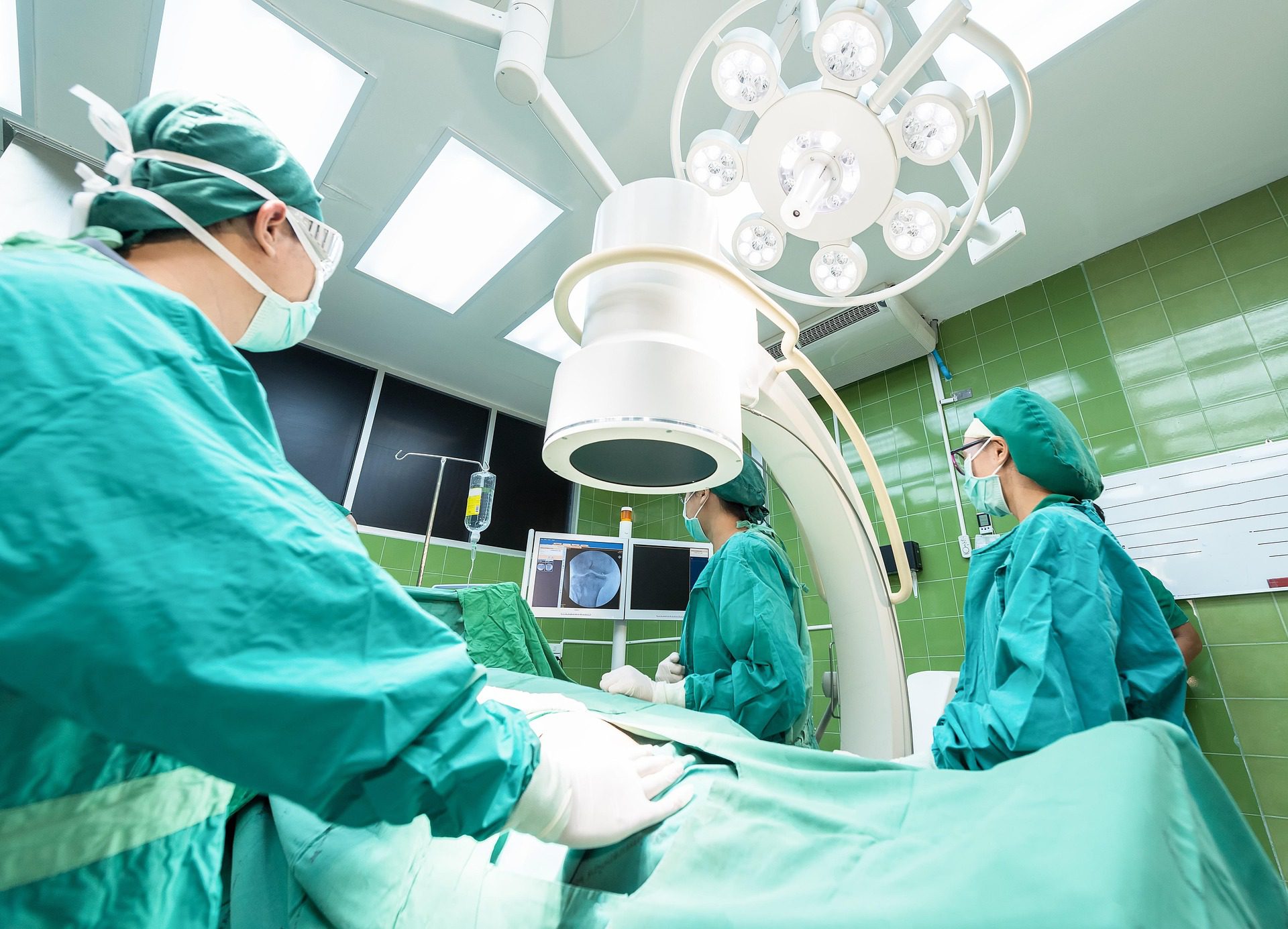
As mentioned, new surgical guides are being created with 3D printing, opening training possibilities that weren’t practical before. These 3D-printed models are used for training on specialized operations and scenarios, giving trainees hands-on practice without the constraints of scheduling live procedures. Like more traditional methods such as cadavers, they allow future nurses and doctors to get more exposure to unique medical scenarios, but with the added benefit of being reusable, customizable, and available on demand. They can also use an anatomically correct patient model built from a specific patient’s imaging data, letting surgical teams practice the exact surgery needed before ever stepping into an operating room. This kind of rehearsal can help reduce surgical time and build confidence heading into complex or unfamiliar cases.
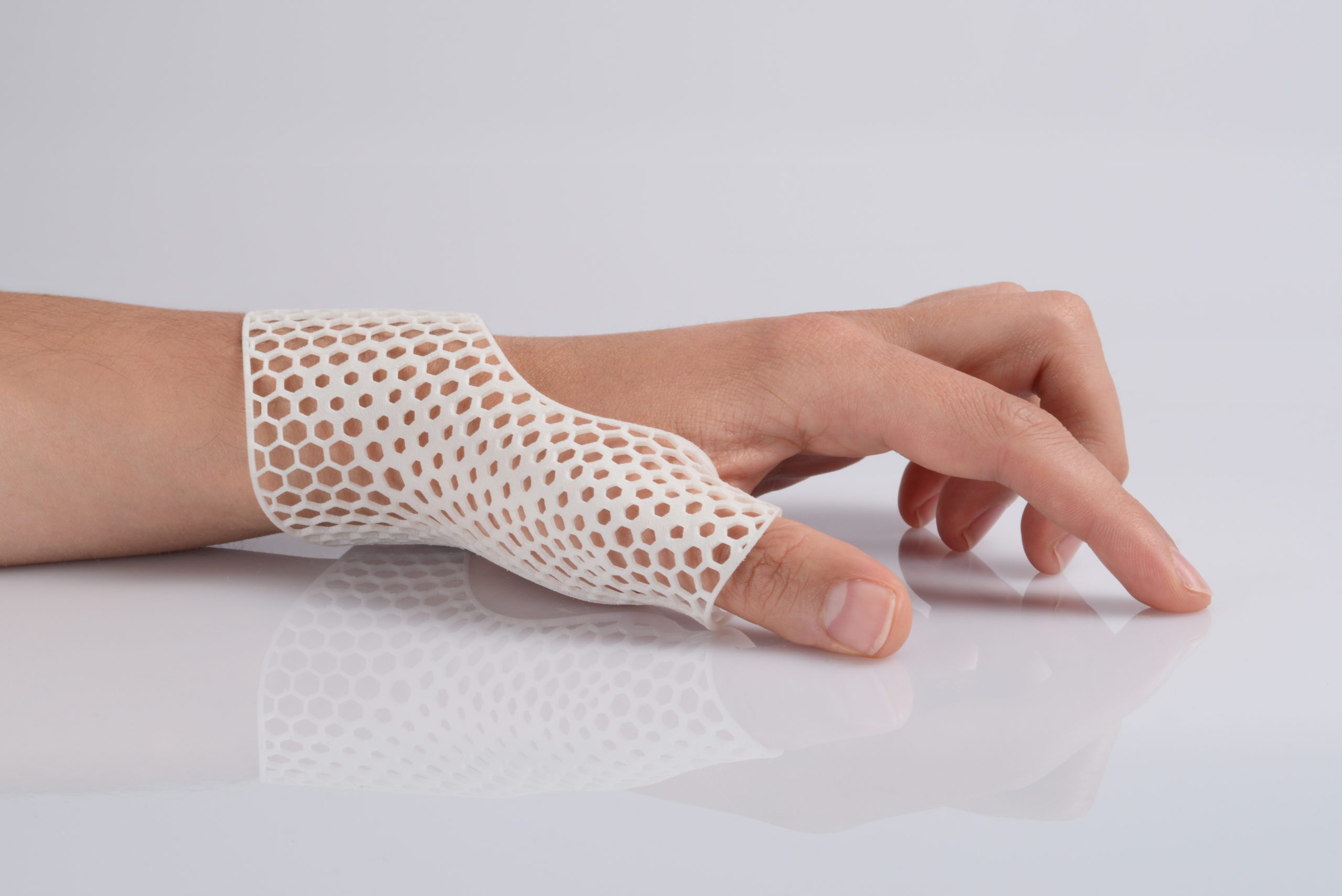
Affordable Prosthesis
Prosthetics remain expensive and often require extensive customization to fit everyone’s unique needs. Traditional manufacturing methods can involve multiple fittings, long wait times, and high costs that place these devices out of reach for many who need them. But with 3D printing, this technology is allowing doctors and prosthetists to quickly create rapid prototypes of a prosthesis, allowing them to test fit, form, and function much sooner in the process. This approach means adjustments can be made quickly, without the delays and expense of traditional fabrication methods. Beyond speed, 3D-printed prosthetics are also often significantly cheaper to produce than conventionally manufactured ones, saving both time and money for patients, doctors, and healthcare systems alike.
Customized Medical Devices
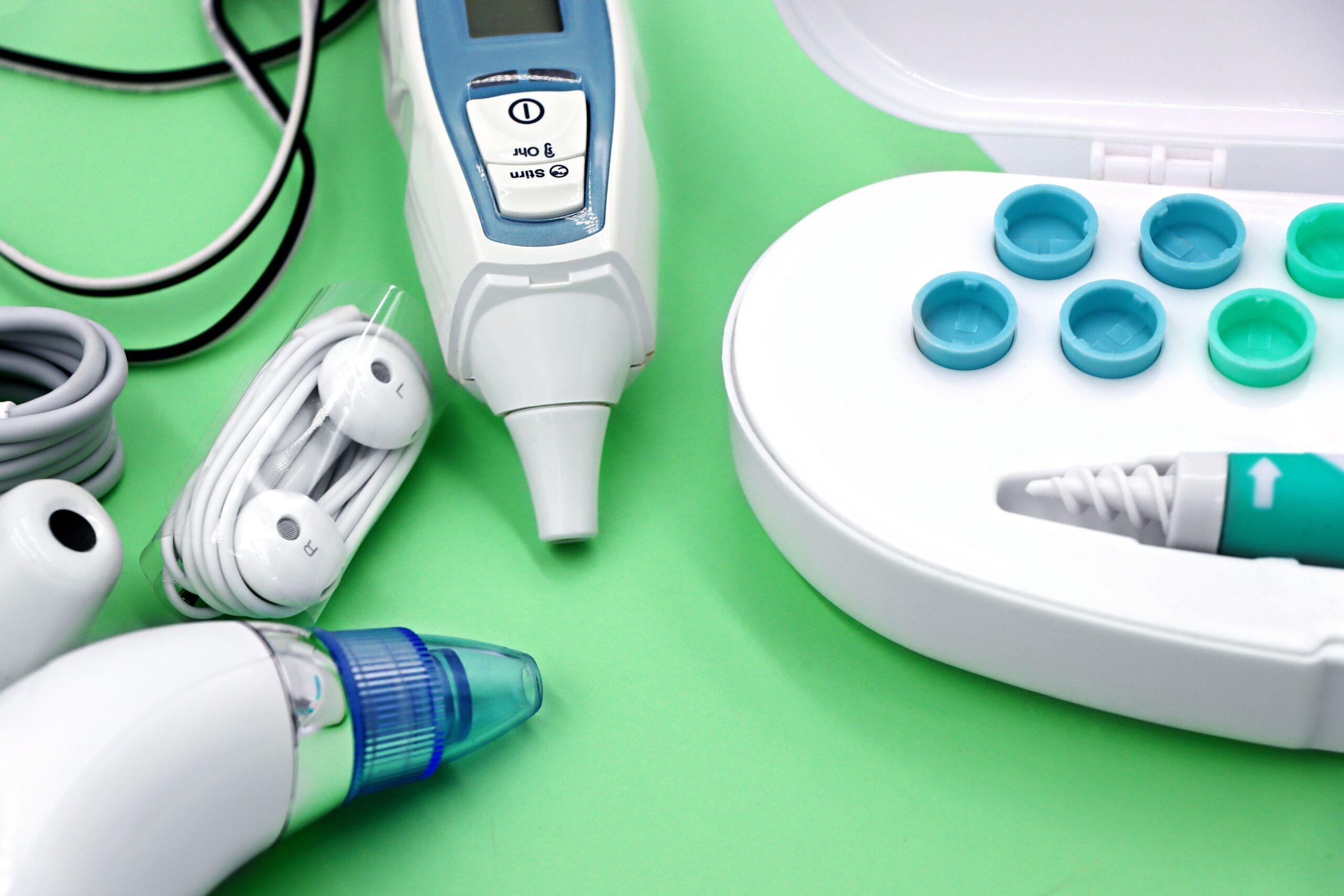
In healthcare, there is no one-size-fits-all solution. We are all a little different; some of us may have an organ that’s slightly larger than average, or a specialized condition that requires unique care. So, when designing a medical device, designers must consider the specific needs of the individual, rather than relying on a generic fit. With 3D printing, we can create specialized fits and devices tailored to the individual, down to their exact anatomy. Just like the prosthetics mentioned above, the industry has been using this technology to create medical devices such as hearing aids, cranial implants, orthotics, and emergency devices. This level of customization helps ensure the best possible care is delivered sooner, since devices no longer need to go through lengthy, generalized manufacturing processes.
Design Guidelines for Medical 3D Printing
Medical 3d printing is a highly advanced and regulated skill and trade. It is not advised for anyone to print their own medical device. Only certain materials are biocompatible, and even then, only medical professionals should recommend and install them. When designing a medical device, key factors need to be considered.
Material Biocompatibility
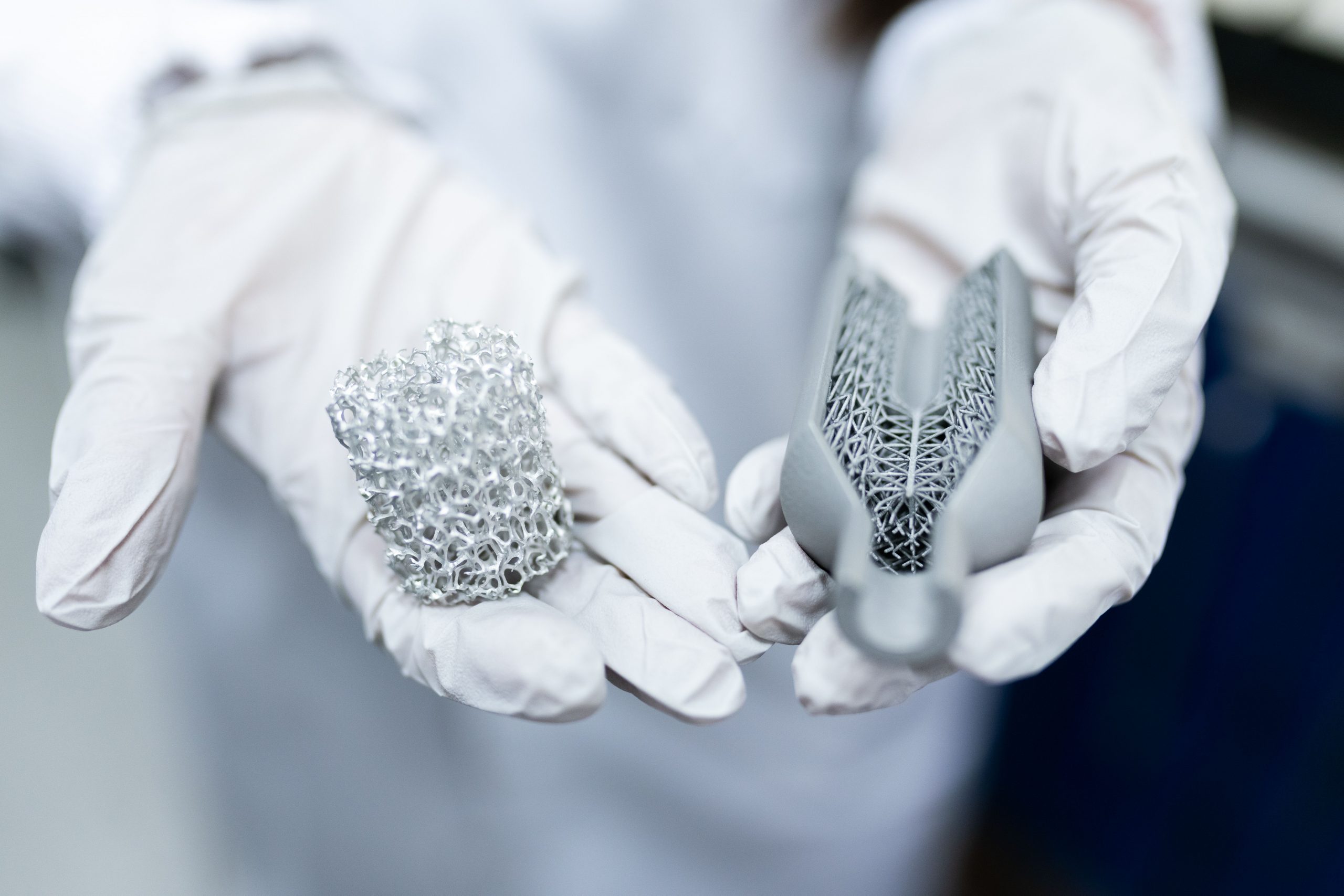
Arguably the most important part of designing a 3D-printed medical device is ensuring the material is biocompatible. Not every material is suitable for contact with the human body; biocompatibility depends on how a material interacts with living tissue over time. This makes material selection just as critical as the design itself, especially for devices intended for implantation or direct patient contact.
Materials like PA2200, a nylon-based powder commonly used in selective laser sintering (SLS), are recommended because of their biocompatibility. 3D printing is ideal for the rapid fabrication of these devices, but once a design moves toward proper fitting and installation, material compatibility becomes the deciding factor in whether it’s appropriate for patient use.
Device Classification
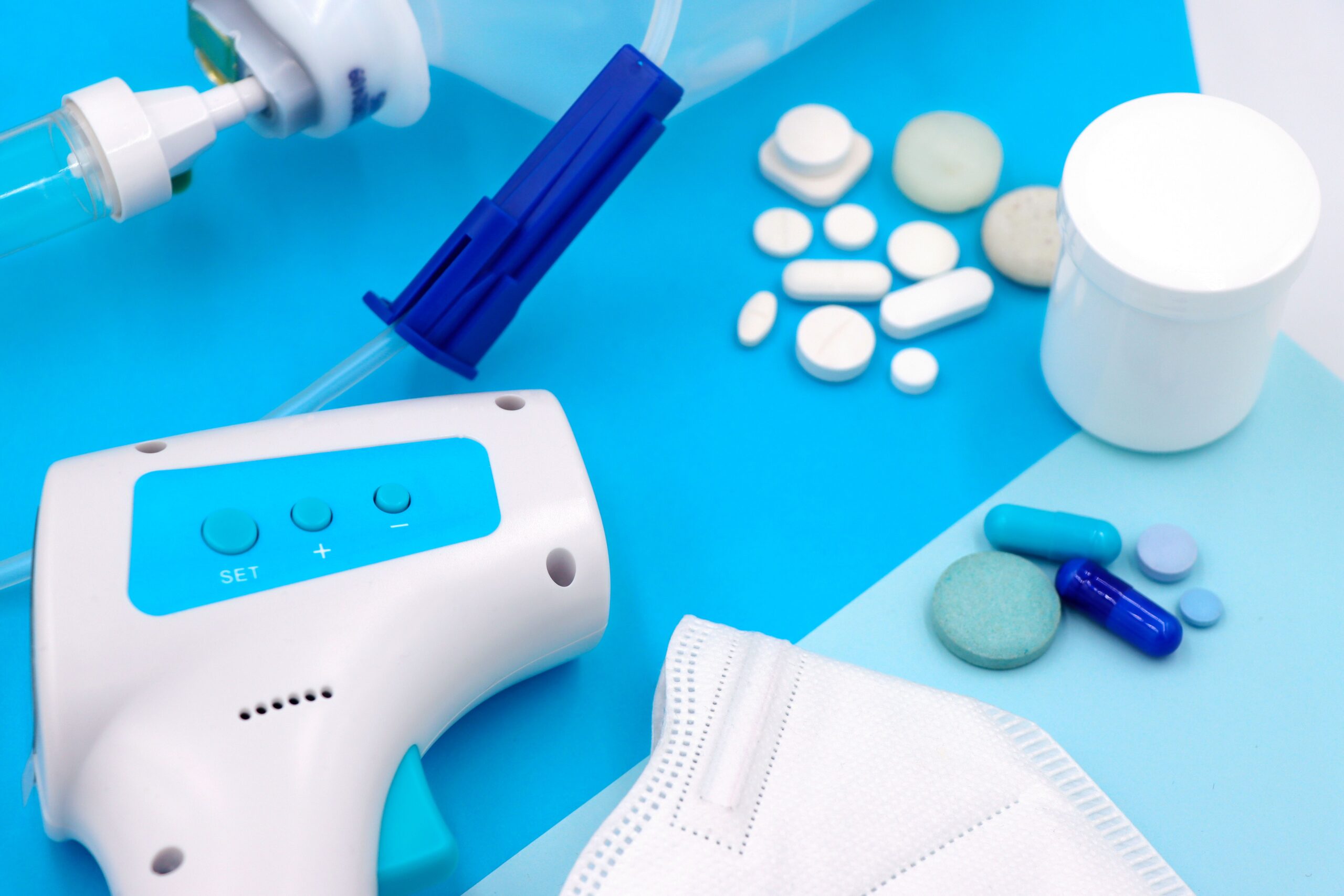
Medical devices fall into three FDA regulatory classifications, each based on the level of risk a device poses to the patient or user. Class I includes devices with the lowest risk, while Class III includes those with the greatest risk, with Class II falling in between. Devices in the Class I category typically do not require a premarket submission before being marketed, since most are exempt from that process. Devices in Class II and Class III, however, do require FDA clearance or approval before they can be marketed.
The specific requirement depends on the class: Class II devices are generally subject to General Controls and Special Controls, while Class III devices require General Controls and Premarket Approval.
JawsTec offers advanced materials for Medical 3D Printing
PA2200
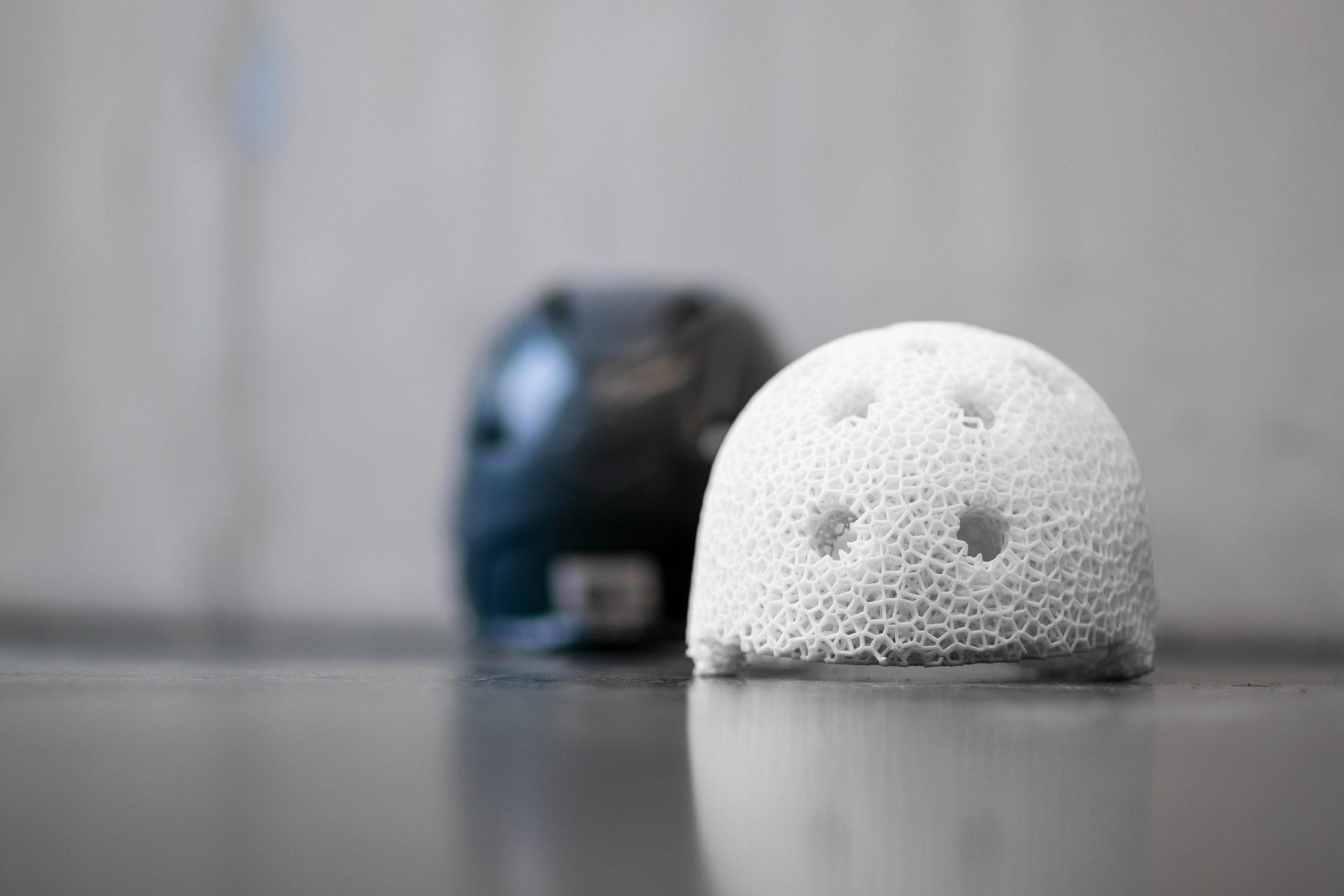
PA2200 is one of the strongest materials within the 3D printing space. It’s a rigid and durable material ideal for prostheses and other functional medical devices. It offers a strong, impact-resistant profile that holds up well under repeated stress of daily life.
This durability is especially valuable for prosthetic components, which must support the body’s full range of motion and weight-bearing forces without cracking or degrading.
TPU
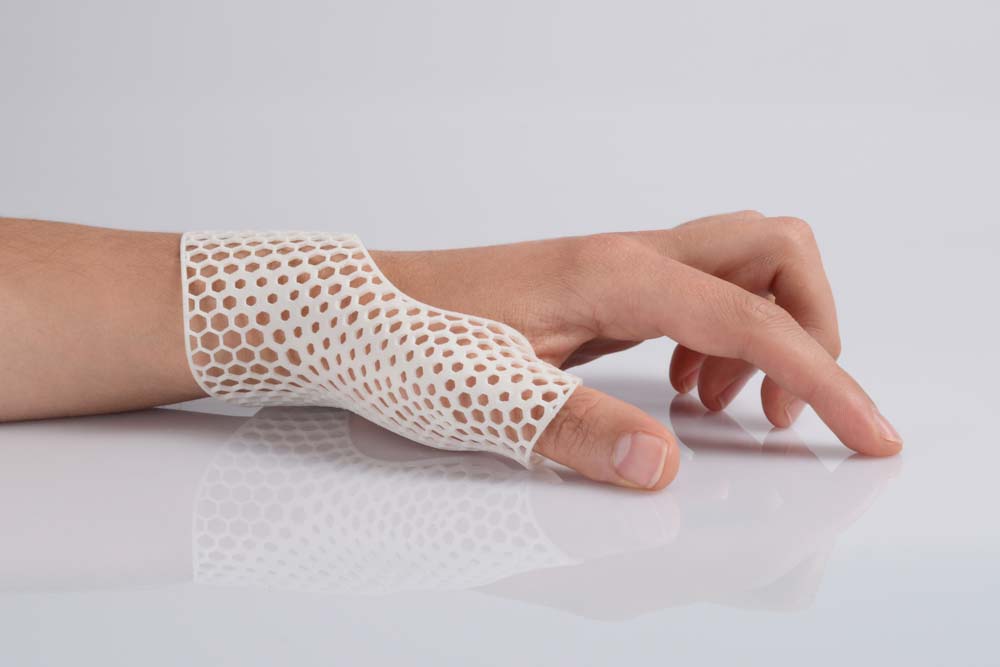
TPU is a soft, rubber-like material that stays flexible and bendable while still holding its shape, making it ideal for braces and other supportive medical devices. Its lightweight nature makes it ideal for comfort and everyday wear, so patients can use TPU-based devices without added bulk or fatigue.
its shock-absorbent properties work to distribute and reduce impacts.

Aluminum
Aluminum is ideal for medical devices that need to be lightweight while maintaining strength, offering great customization and impact resistance. Its high resistance to corrosion also makes it a dependable choice for devices that need to withstand repeated cleaning and sterilization.
It’s ideal for braces and similar supportive devices due to its material properties, giving designers a durable option that won’t weigh a patient down.
Medical 3D Printing Resources
Visit the links below to access some helpful articles and find more information.
Frequntly Asked Questions
-
Is 3D-printed medical equipment regulated by the FDA?Yes. 3D-printed medical devices go through the same FDA classification and clearance process as traditionally manufactured devices, sorted into Class I, II, or III based on risk. Most 3D-printed devices go through the standard 510(k) or PMA pathways depending on their classification.
-
How does the FDA make sure 3D-printed devices are safe?Biocompatibility requirements for 3D-printed devices are the same as for any other medical device, with ISO 10993-1 serving as the standard for testing. Manufacturers must also validate their printing process itself — not just the final material — since factors like build orientation, cleaning, and post-processing can all affect how a device performs.
-
Is biocompatibility guaranteed just because a material is labeled “biocompatible”?Not automatically. Biocompatibility is treated as a system-level outcome rather than a fixed property of the raw material; it depends on the specific printing parameters, post-processing steps, and final use conditions applied.
-
Does a 3D-printed device need to be sterilized differently than other devices?Sterilization must be validated specifically for the 3D-printed material chosen, since not every printed material responds to sterilization the same way traditionally manufactured parts do.
-
How long does it take to design and print a custom medical device?Turnaround varies significantly by material and complexity. Some materials, like SLS nylon, can be produced in about a week, while more specialized metals or complex geometries may take several weeks longer due to additional processing and validation steps.
-
Are 3D-printed medical devices as durable as traditionally manufactured ones?When designed and validated correctly, yes. Materials like PA2200 nylon and aluminum alloys are chosen specifically for their strength and durability in functional, load-bearing applications, and they undergo the same mechanical and safety testing as devices made through conventional manufacturing.
-
Why does 3D printing allow for more patient-specific devices than traditional manufacturing?Because each device is built directly from a digital file, it can be modeled from a patient’s own imaging data (like a CT or MRI scan) rather than conforming to a standard, mass-produced size. This lets designers account for a patient’s unique anatomy without the added cost of custom tooling.
-
Is 3D printing more affordable than traditional device manufacturing?Often, yes, particularly for low-volume or highly customized devices, since 3D printing skips the need for expensive molds or tooling. However, cost can vary depending on material, part complexity, and post-processing requirements, so it isn’t universally cheaper across every device type.