
What Is Pressure Advance Calibration?
Pressure advance calibration compensates for filament compression in the extruder. Without it, corners show bulging and fine details suffer. Getting this setting right is critical for dimensional accuracy.
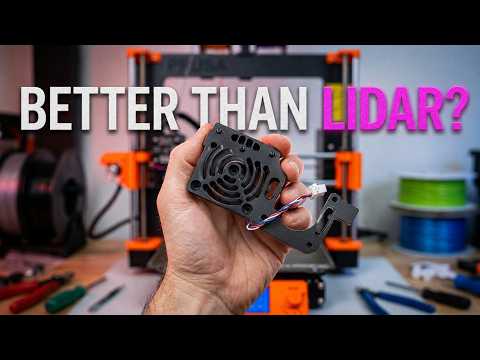
Engineering content creator CNC Kitchen recently demonstrated an automated approach. His method uses existing bed-leveling sensors to calibrate this parameter. The result? Consistent print quality without manual test prints.
Why Manual Calibration Falls Short
Traditional pressure advance tuning requires printing test patterns. Engineers must visually inspect corners and adjust values. This process consumes time and material.
For production environments, this creates several problems:
- Each material change requires recalibration
- Temperature variations affect optimal settings
- Operator skill determines calibration quality
- Batch consistency becomes difficult to maintain
How Automated Calibration Works
The automated approach repurposes bed-leveling sensors. These sensors detect nozzle position with high precision. By measuring extruded material during specific movements, the system calculates pressure response.
This eliminates human interpretation from the process. The printer determines optimal values through direct measurement. Calibration happens in minutes, not hours.
Implications for Industrial Applications
Automated calibration addresses key manufacturing concerns. Quality becomes repeatable across machines and operators. Material changeovers become faster and more reliable.
For teams using technologies like selective laser sintering or Multi Jet Fusion, calibration is handled at the machine level. This automation brings similar consistency to extrusion-based processes.
What This Means for Production Teams
Procurement teams evaluating additive manufacturing should consider calibration requirements. Automated systems reduce operator training needs. They also improve part-to-part consistency.
Key benefits for manufacturing environments include:
- Reduced setup time between jobs
- Lower scrap rates from calibration errors
- Consistent quality across multiple machines
- Simplified material qualification processes
Comparing Process Reliability
Different AM technologies handle calibration differently. Powder bed systems like those offered by JawsTec maintain tight process control. Understanding material selection and process capabilities helps teams make informed decisions.
When evaluating production methods, consider the full calibration workflow. Automated systems reduce variability and operator dependency.
Practical Takeaways for Engineers
This development signals broader automation trends in additive manufacturing. Machine learning and sensor fusion are improving process control. These advances make AM more viable for production applications.
When specifying parts or equipment, ask about calibration procedures. Understand how vendors ensure consistency. Request documentation on quality control methods.
Ready to explore production-ready 3D printing? Get a quote from JawsTec to see how industrial AM can support your manufacturing needs.
Sources
Source: I Automated Pressure Advance Using a Bed-Leveling Sensor by CNC Kitchen (YouTube) — https://www.youtube.com/watch?v=sHLGrTBLxLg