
MJF 3D Printing Service
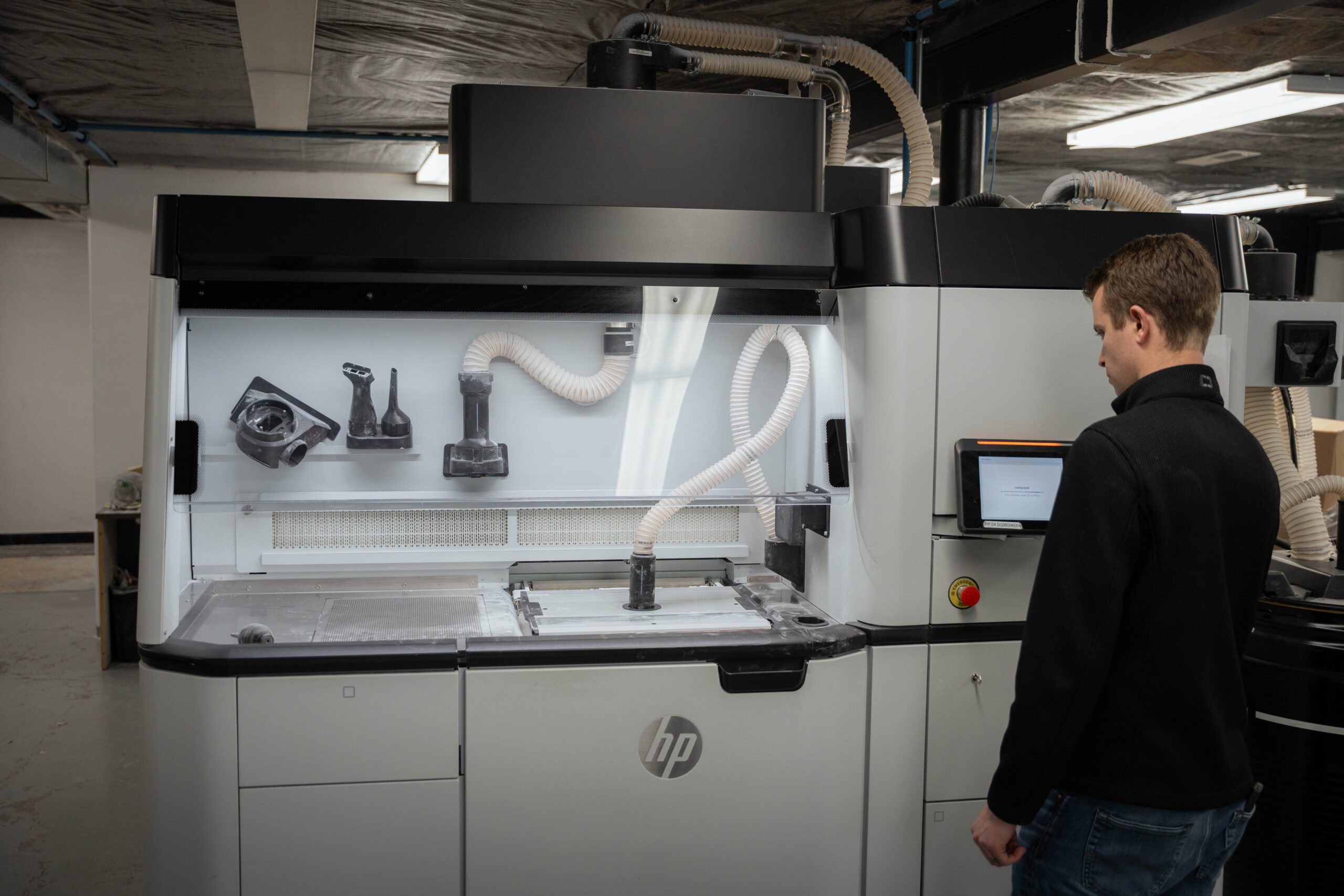
Our Multi Jet Fusion (MJF) process delivers high-accuracy, durable 3D prints with fine detail and strong mechanical performance. It’s ideal for functional prototypes, end-use parts, and mass customization. MJF is fast, cost-efficient, and low waste, trusted across automotive, aerospace, healthcare, and consumer goods industries.
Last Updated:
Fast, Accurate MJF 3D Printing for Functional Prototypes and Production Parts
Multi Jet Fusion (MJF) is an industrial 3D printing process developed by HP that uses nylon powder and fusing agents to build strong, functional parts layer by layer. It is known for its speed, dimensional accuracy, and ability to produce both prototypes and end-use production parts
What Is Multi Jet Fusion (MJF) and How Does It Work?
Multi Jet Fusion (MJF) is an industrial 3D printing process that uses nylon powder and precision agents to create strong, functional parts layer by layer. Developed for production-level performance, MJF is commonly used for both prototypes and end-use components that require durability and tight tolerances.
The Multi Jet Fusion process begins by spreading a thin layer of nylon powder across a build platform inside the printer. Instead of using a single laser to trace the shape of the part, MJF uses a printhead to selectively deposit two types of agents onto the powder bed:
-
A fusing agent, which defines where the material will solidify
-
A detailing agent, which improves edge definition and surface accuracy
After the agents are applied according to the digital design file, infrared energy passes over the build area. The areas treated with the fusing agent absorb the energy and melt together, forming a solid layer. The untreated powder remains loose and acts as natural support material.
This process repeats layer by layer until the entire part is formed within the powder bed. Once the build is complete, the part is cooled, removed, and cleaned of excess powder before post-processing.
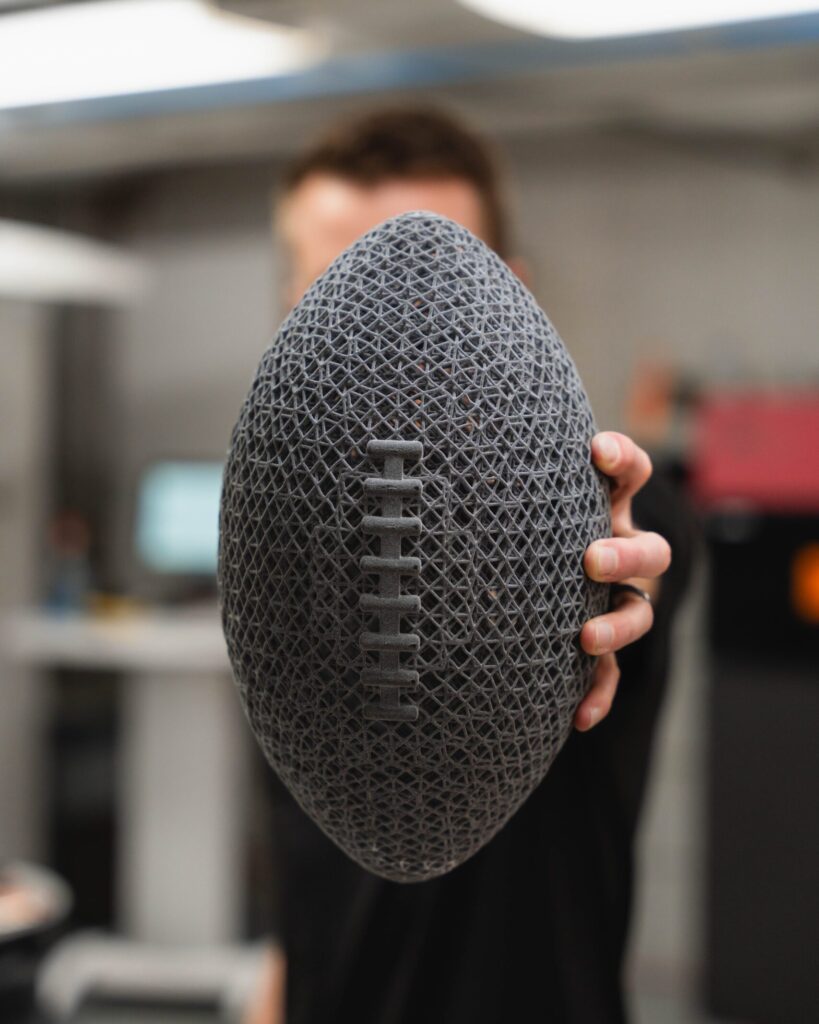
Which Nylon Materials Can You Print With MJF? A Full Breakdown
JawsTec offers a variety of 3D printing materials in the MJF process
Material |
Default Color |
Resolution |
Weaknesses |
Strengths |
Applications |
| Nylon PA 12 | Grey | 80μm | Occasional defects | Efficient cost | Prototypes, test parts |
| Nylon PA 12 S | Grey | 80μm | Strength Difference | Aesthetics | Prototypes, test parts |
| Nylon PA 11 | Grey | 80μm | Surface defects | Chemical resistance | Prototypes |
| Glass-Filled | Grey | 80μm | Higher cost | Excellent strength | Complex parts |
MJF 3D Printing Pricing — What Affects Your Quote and How to Reduce Cost
MJF Build Volume, Tolerances, Wall Thickness & Layer Resolution
Maximum build size |
Standard lead time |
Tolerance |
Layer height |
Minimum feature size |
| 380mm x 280mm x 380mm | 4-5 business days |
(X,Y): +\- 0.300mm or 100mm +\- 0.3% (Z): +\- 0.400mm or > 100mm +\- 0.4% |
80 μm | 1 mm |
Post-Processing and Surface Finish Options for MJF Printed Parts
We offer 3 types of surface finishes for MJF Printing
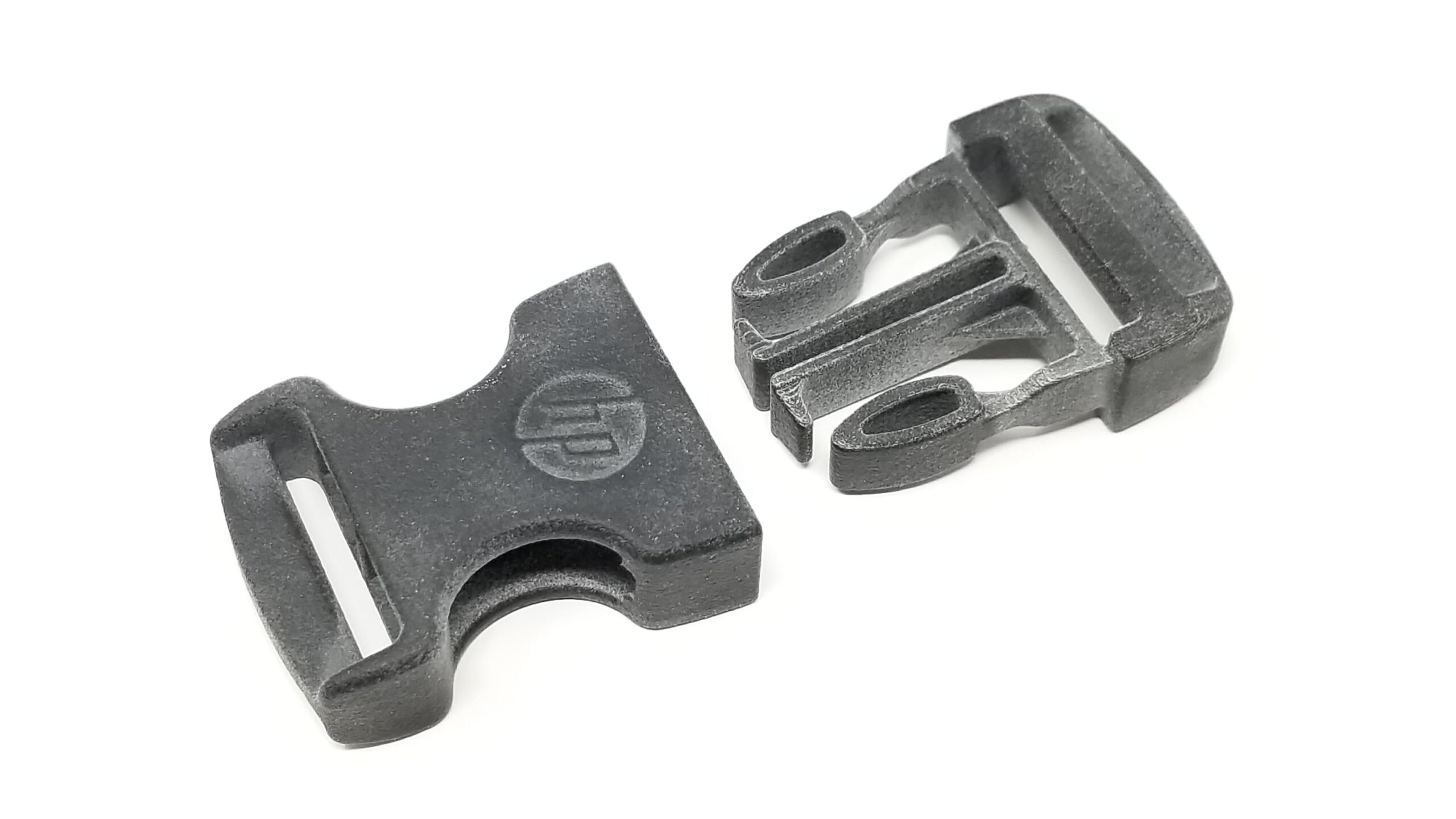
Raw
Part is taken from machine and excess powder is removed
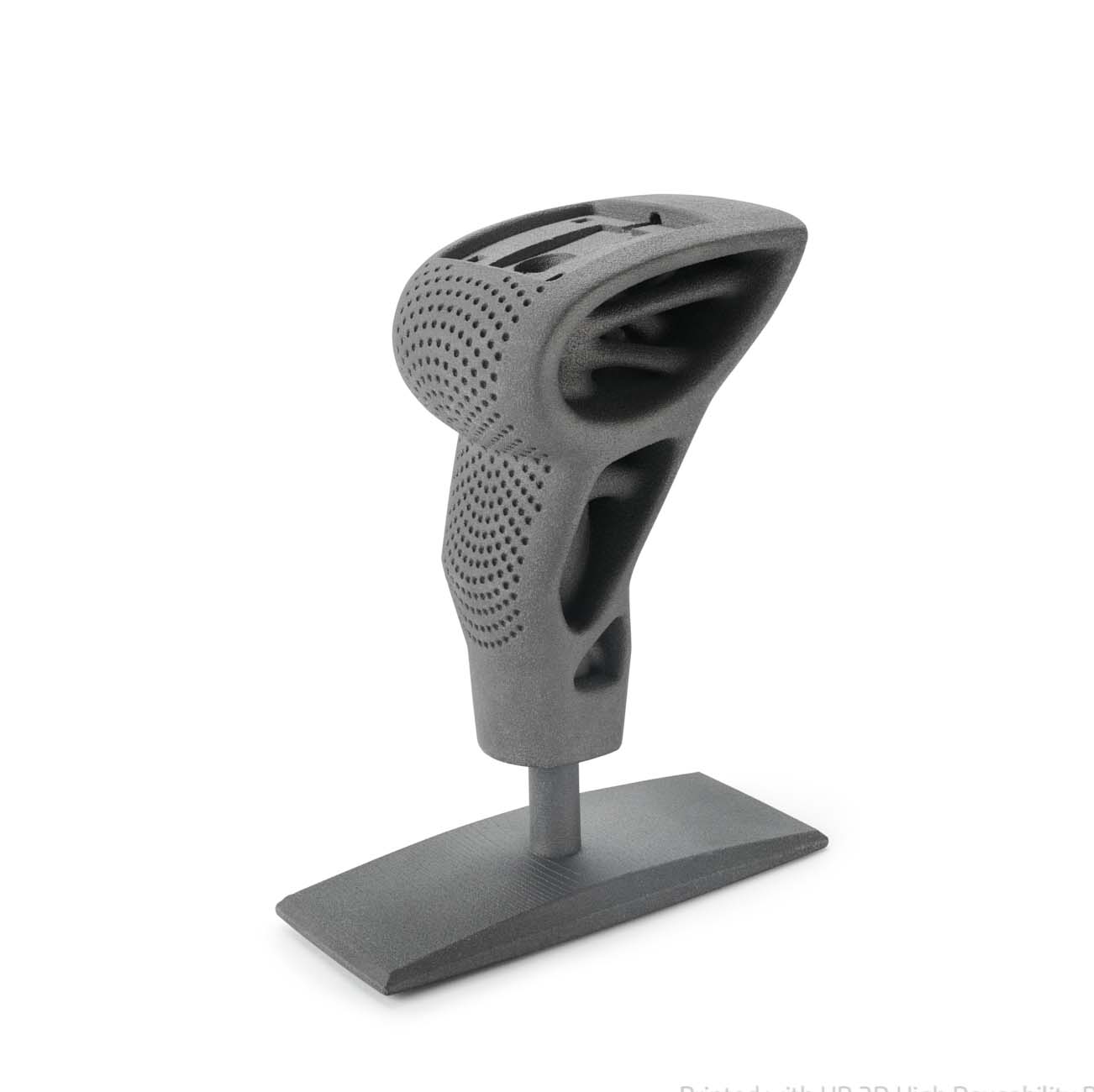
Polished
Part is tumbled and then shot-peened providing a smooth surface
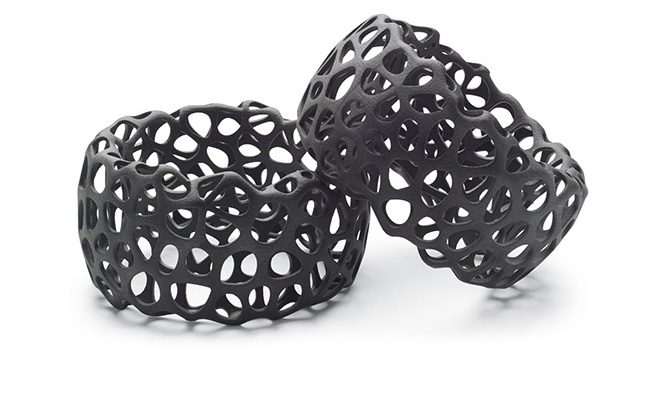
Vapor Polished
Parts are smoothed in a machine, providing an injection-molded surface look
Industries That Rely on MJF: Medical, Automotive, Aerospace & Consumer Products
When should I use MJF vs SLS?
When deciding between MJF (Multi Jet Fusion) and SLS (Selective Laser Sintering), it really comes down to what your part needs to do—and how quickly you need it.
Choose MJF
MJF is typically the better choice when you want consistent, production-ready parts with a smooth surface finish and fast turnaround times. It excels at producing functional components with fine details, strong mechanical properties, and uniform density across the entire build. If you’re working on end-use parts, housings, or assemblies where repeatability and appearance matter, MJF is often the more efficient option.
Choose SLS
SLS, on the other hand, offers more flexibility in material options and can be better suited for specialized applications. It’s a strong choice when you need parts with slightly higher heat resistance, more complex internal geometries, or when you’re working with niche materials not available in MJF. SLS is also widely used for prototyping and lower-volume production where material variety is a priority.
In short, choose MJF for speed, consistency, and production-quality output. Choose SLS when material flexibility and specialized performance characteristics are more important.
Advantages and Limitations of MJF — Is It the Right Process for Your Part?

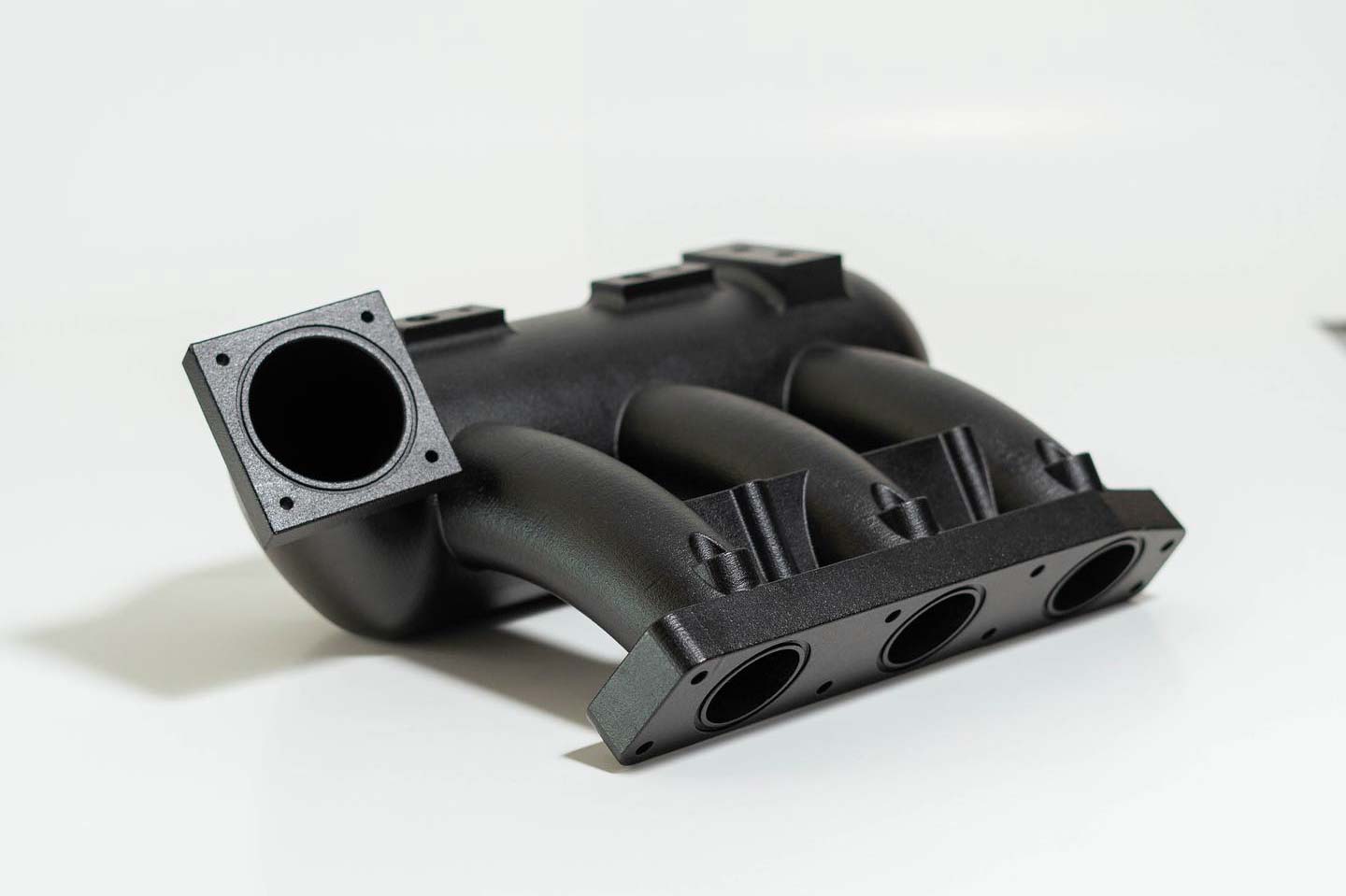
Advantages
- Structurally strong parts
- Quick results
- Highly precise dimensions
- Minimal material waste
Drawbacks
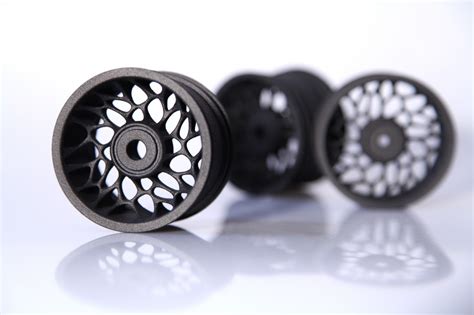
- Default part color is dark grey
- Parts can only be dyed to darker colors
- Limited material options
How to Design Parts for MJF — Guidelines for Better Prints and Fewer Revisions
We can print your parts off almost any 3D CAD file, including .STL, .3MF, and .OBJ. The minimum dimension we suggest for your parts in 1 mm to help protect the quality of the print. We also offer in-house CAD file design assistance. For more information, email [email protected].
MJF Guides, Case Studies & Further Reading
Visit the links on the right to learn more about MJF 3D printing! Or, you can visit our blog to explore other helpful articles and information.
Want to learn more about MJF?
Beyond MJF: SLS, SLA & Metal 3D Printing Also Available
SLM
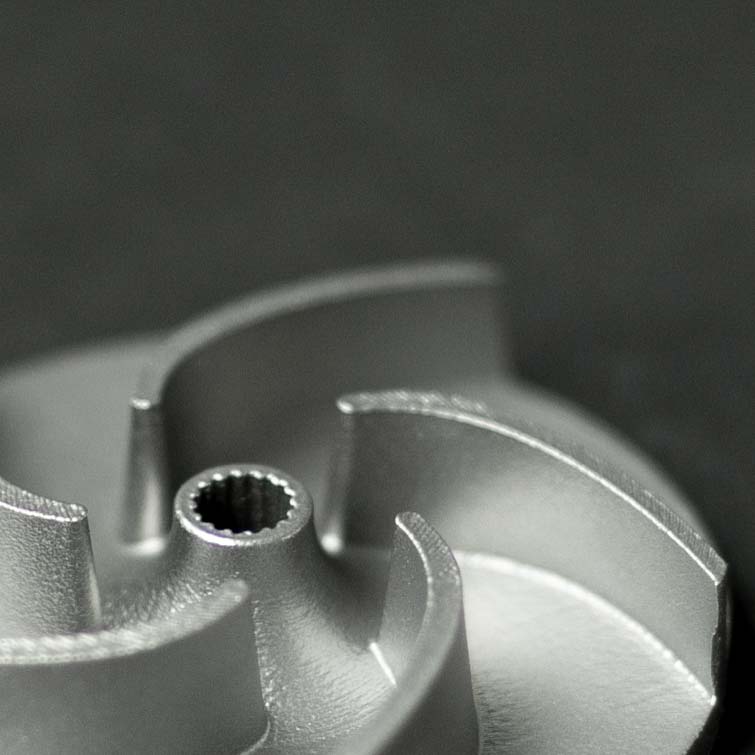
Need to print some metal parts? We’ve got you covered with our SLM printing technology.
- Lightweight metal parts
- Highly customizable metal parts
SLS
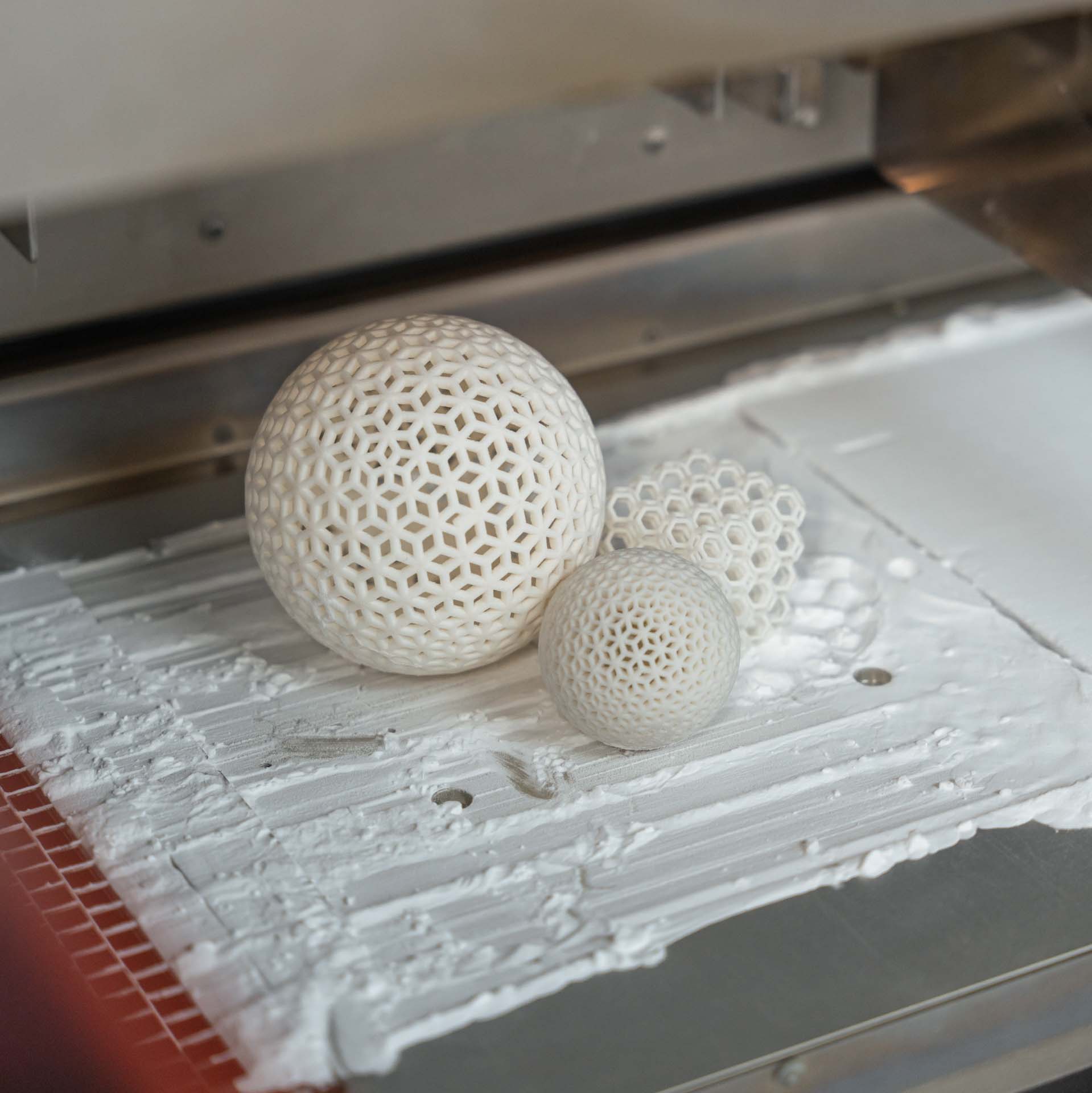
Looking for another option to print nylon parts? Check out the SLS process
- Dimensional accuracy
- Chemical resistance
SLA
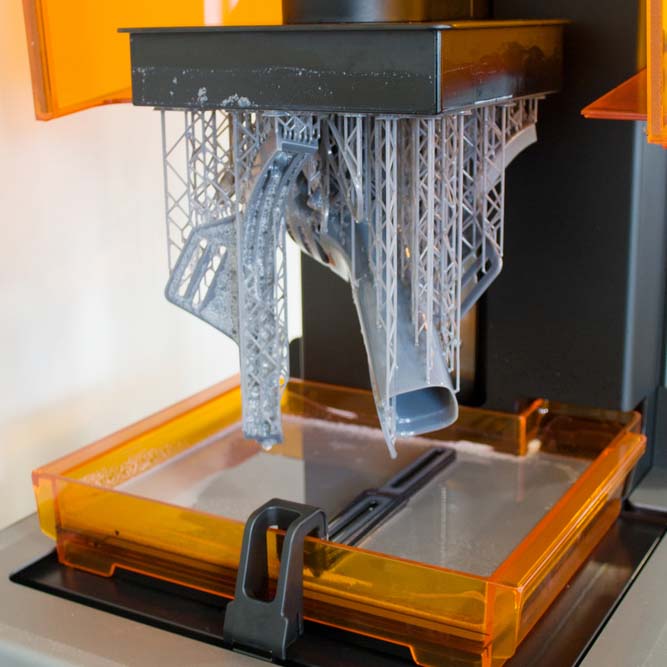
Want to try a whole new printing process? Take a look at SLA technology.
- Superior strength and durability
- Smooth raw surface