
SLS 3D Printing Service
Selective Laser Sintering is a 3D printing process that produces a highly precise and accurate part. It can be used for a variety of industries, including automotive, aerospace, and medical.
Last Updated:
What Is Selective Laser Sintering (SLS) and How Does It Work?
Visit our home page for a complete list of our materials.
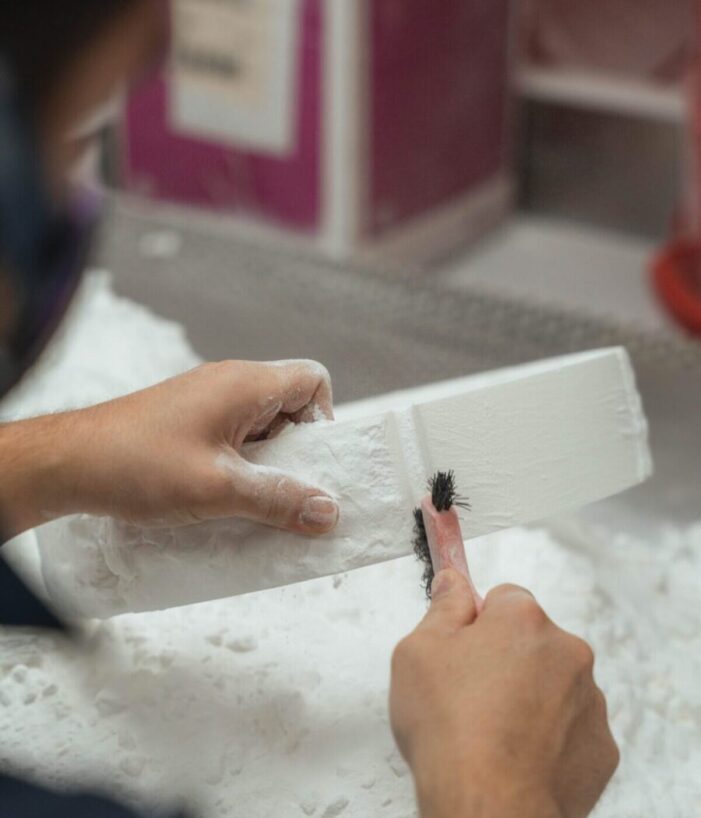
SLS Build Volume, Tolerances, Wall Thickness & Minimum Feature Size
Maximum build size |
Standard lead time |
Tolerance |
Layer height |
Minimum feature size |
| 340mm x 340mm x 600mm (Nylon) | 6 business days |
(X,Y): +\- 0.300mm or 100mm +\- 0.3% (Z): +\- 0.400mm or > 100mm +\- 0.4% |
120 μm | 1 mm |
| 700mm x 580mm x 380mm (Polyurethane) | 12 business days |
(X,Y): +\- 0.3mm or 100mm +\- 0.3% (Z): +\- 0.4mm or 100mm +\- 0.4% |
120 μm | 1 mm |
SLS Materials Compared: Nylon PA2200, PA12, and Polyurethane (TPU)
Our SLS services are available for a wide variety of materials
Material |
Default Color |
Resolution |
Weaknesses |
Strengths |
Applications |
| Nylon PA 2200 | white | 120 µm | slightly higher cost | superior strength | complex geometries |
| Nylon PA 12 | recycled white | 120 µm | possible defects | cheaper cost | prototypes |
| Polyurethane | white | 120 µm | longer lead time | flexible material | medical braces |
SLS 3D Printing Finishing Options
We offer multiple finishing options for SLS 3D printed parts to improve surface quality, appearance, and performance depending on your application requirements.
Raw (As-Printed)
Raw SLS parts receive no additional surface treatment after printing. This finish maintains the natural matte texture of the nylon material and is ideal for functional prototypes, internal components, and parts where appearance is not a priority.
Polished
Polished SLS parts are tumbled and shot-peened to smooth the outer surface. This process reduces surface roughness and creates a more refined, uniform finish while maintaining the part’s mechanical strength. It is commonly used for customer-facing components and functional parts that benefit from improved feel and appearance.
Vapor Polished
Vapor polishing smooths and seals the surface of SLS printed parts using a controlled vapor process. This finish significantly reduces porosity, enhances surface smoothness, and improves the overall aesthetic quality. Vapor polished parts are ideal for applications that require a more polished appearance or improved surface performance.
Custom Dyeing
SLS nylon parts can also be dyed in a wide range of colors directly through our online quote engine. Dyeing enhances appearance, supports brand customization, and allows parts to match product or company color requirements while maintaining structural integrity.
SLS vs MJF, SLM & SLA: Which Process Should You Choose?
Materials |
Price |
Strengths |
Max. part size |
Layer thickness |
Min. feature size |
|
SLM |
Aluminum, 316L Stainless Steel, 17-4 Stainless Steel | $$$ | Metal parts | 400mm x 320mm x 320mm | 50µm – 200µm | 1 mm |
SLA |
Proto Plus, WaterTight, Smooth GP, Transparent Plus, Tough Plus, High Temp TS, Imagine Black | $$ | Smooth surface finish | 1380mm x 680mm x 480mm | 50µm – 200µm | 1 mm |
SLS |
Nylon PA12, Nylon PA2200, Thermoplastic Polyurethane (TPU) | $$$$ | High precision |
|
120 µm | 1 mm |
MJF |
Nylon PA12, Nylon PA11, Glass Filled Nylon, Polypropylene, Full Color (CBPA12) | $ | Strong structures | 380mm x 280mm x 380mm | 80 μm | 1 mm |
When SLS Is the Right Choice: Complex Geometry, No Supports, Production-Grade Strength
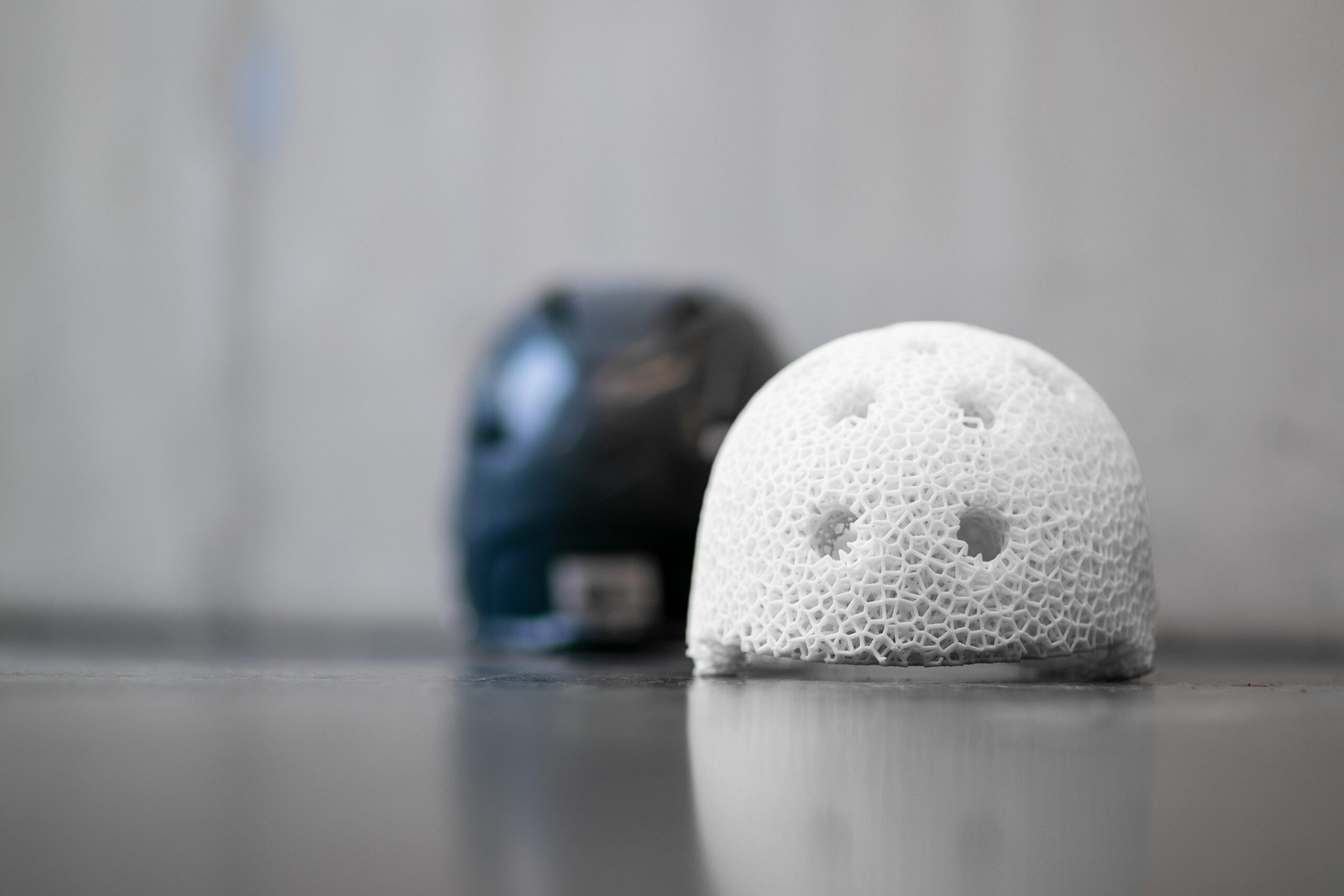
SLS printing is a great option for any project. It can be done with materials that are exceptionally strong or that are capable of producing a flexible part, depending on your needs. It is also an environmentally-friendly manufacturing process.
Every SLS Part Is Inspected for Dimensional Accuracy and Surface Quality Before Shipping
With JawsTec, every order is backed by our quality assurance policy. Each part will meet your standards and fulfil the needs of your project.
Read this article for more information on our quality and return policies.
SLS Pros and Cons: Strengths, Limitations & When to Consider Alternatives
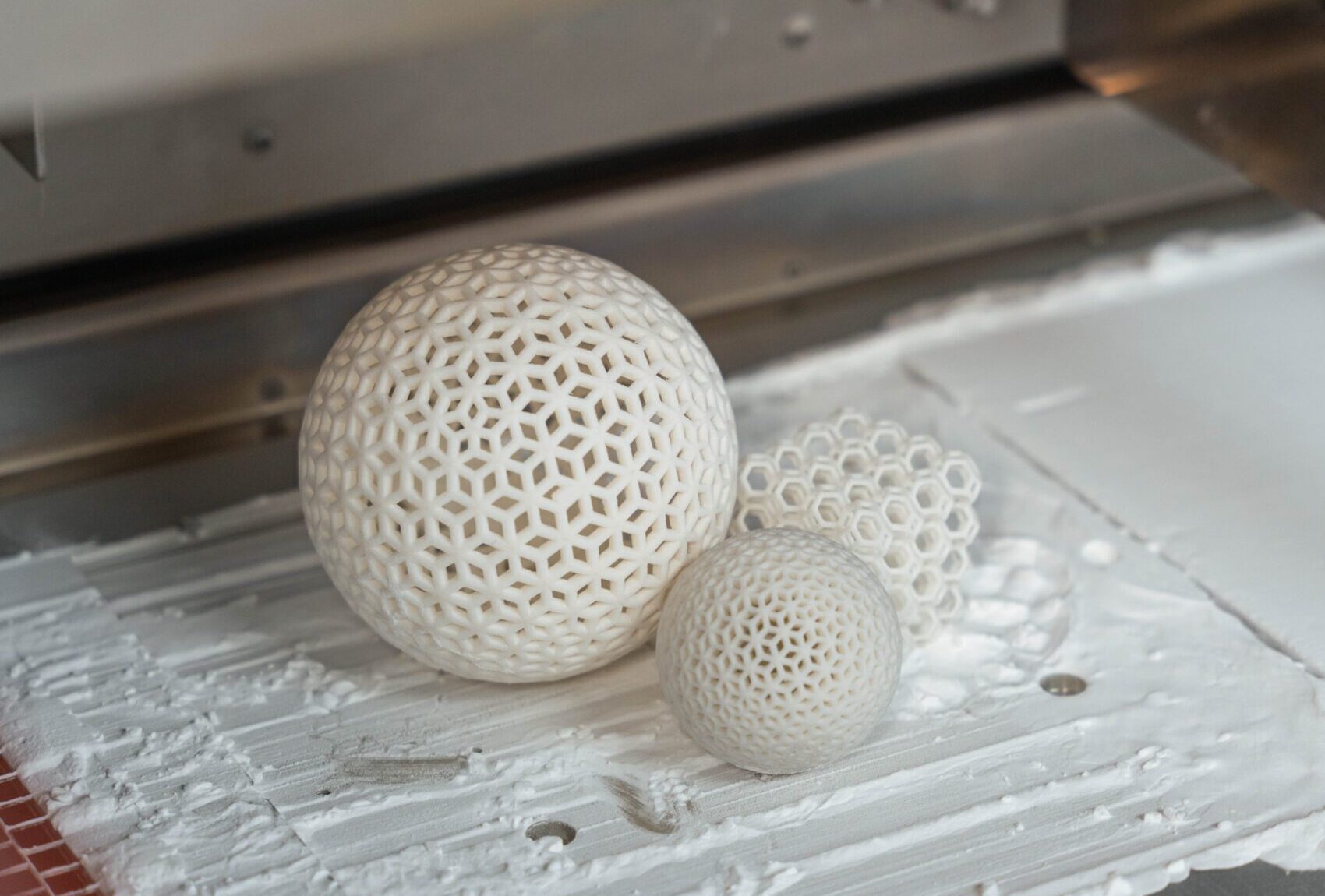
Advantages
- Superior strength of structures and geometries
- High precision of parts
- Design guidelines allow for highly customized designs
- No supports needed for printing
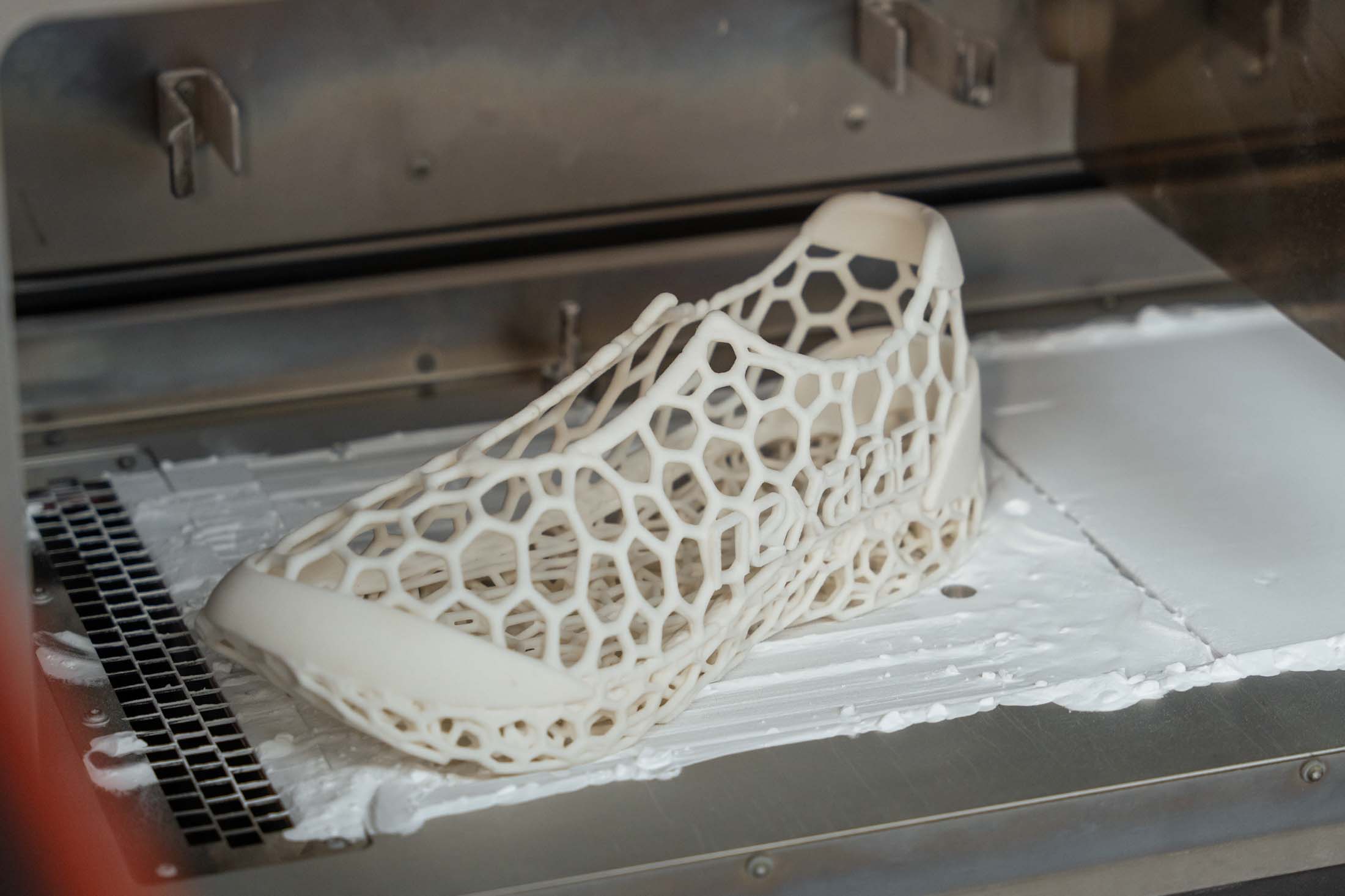
Drawbacks
- PA12 material can result in surface defects due to its recyclable nature
- Slightly more expensive than other printing processes
- Occasional longer lead-time as opposed to other materials
SLS Design Guidelines: Wall Thickness, Clearances & File Prep Best Practices
There are a number of rules you will want to keep in mind when designing your CAD files for SLS printing:
- Save cost and time by minimizing mass volume and wall thickness wherever possible
- Remember our tolerance guidelines, use symmetric design tolerances
- Rounded corners generally work better than sharp ones, saves material and improves flow of force
- Optimize parts for powder removal in post processing
- Design with a minimal loose connection distance of 0.1 mm
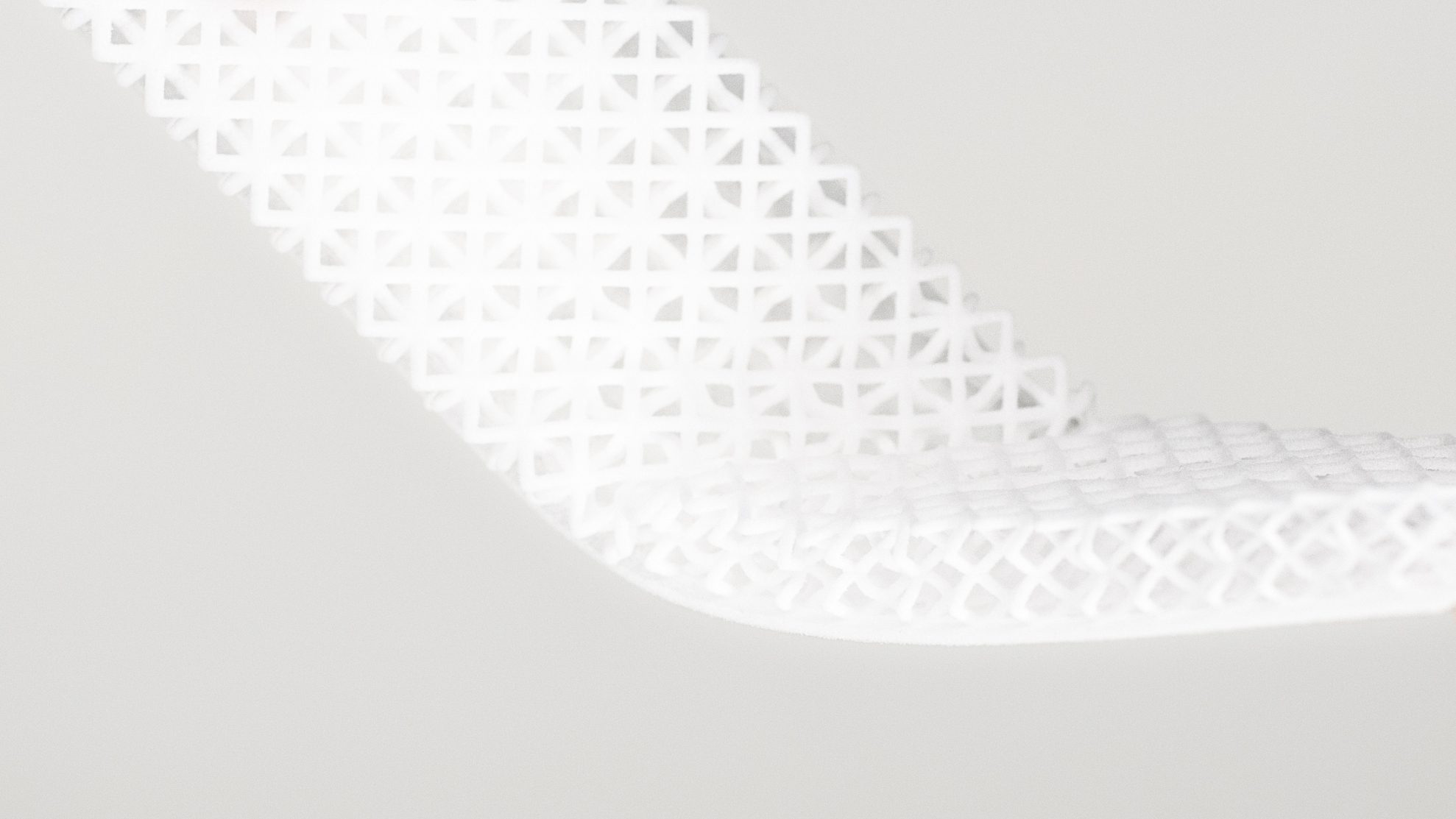
SLS Guides, Case Studies & Further Reading for Engineers
Visit the links on the right to learn more about SLS 3D printing! Or, you can visit our blog to explore other helpful articles and information.
Want to learn more about SLS?
Beyond SLS: MJF, SLA & Metal 3D Printing Also Available at JawsTec
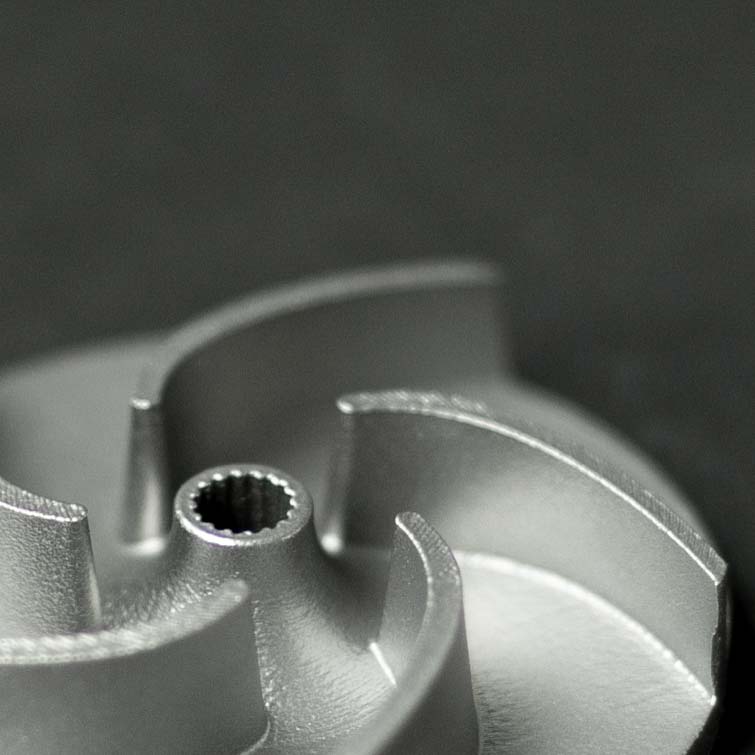
SLM
Need to print some metal parts? We’ve got you covered with our SLM printing technology.
- Lightweight metal parts
- Highly customizable metal parts
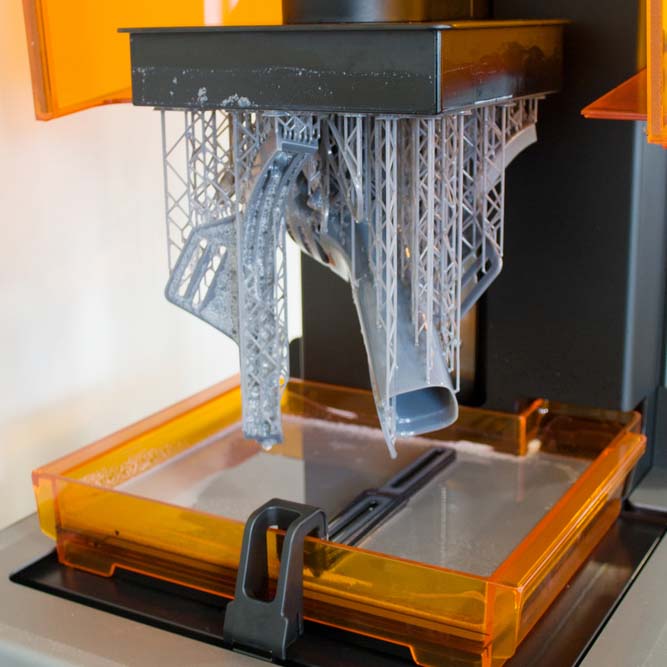
SLA
Looking for another option to 3D print your parts? Check out the SLA process
- Dimensional accuracy
- Smooth surface finishes
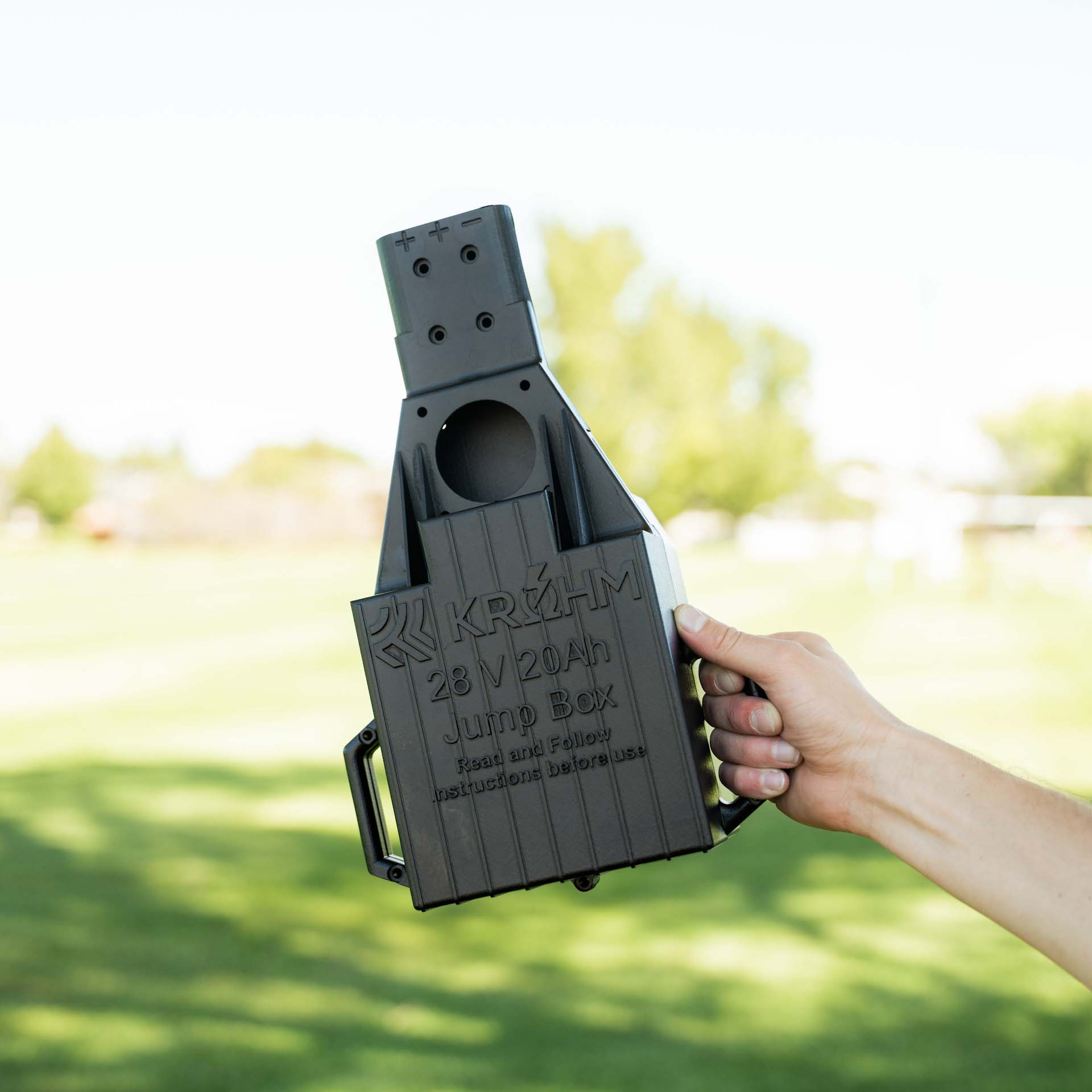
MJF
Want a slightly cheaper 3D printing option than SLS? Take a look at the MJF process.
- Cost-effective process
- Watertight structures