
Last Updated:
3D Printing now offers all sorts of possibilities for material choice and strength. Each material has a unique profile and excels for different applications. Here is a breakdown of the top materials and what strengths they have and practical applications for each.
PA12
PA12 is an all-around Nylon material. It’s a low-cost adaptable material. Perfect for use for hobbyist or industrial parts. It offers durable and impact resistance. It’s ideal for watertight assemblies and complex designs. It’s a popular material for any project and has a wide application range.
| Tensile Strength | Elongation | Impact Resistance | Heat Resistance | Cost |
| ~48-50 MPa | ~18-20% | High | ~95°C HDT | $$ |
PA200
Nylon PA 2200 is a nylon-based material that holds up well with wear and chemicals. Compared to ordinary polyamide, PA2200 has a higher melting point. It is great for mechanical or functional parts. Often used for medical prostheses. Due to its durability, it is often used to replace other processes like injection molding.
| Tensile Strength | Elongation | Impact Resistance | Heat Resistance | Cost |
| ~48-50 MPa | ~18-20% | High | ~95°C HDT | $$ |
Nylon PA12 Glass Filled
Glass Filled Nylon is one of the strongest nylon polymers available. You may be thinking glass traditionally doesn’t make you think strong. But the glass in this instance refers to short glass fibers or beads that are incorporated into the material for strength. Compared to traditional nylon parts like normal PA12, these are more resilient and better reinforced for weight bearing parts, strain, and all-around application.
| Tensile Strength | Elongation | Impact Resistance | Heat Resistance | Cost |
| ~55-65 MPa | ~3-5% | Medium | ~110-120°C HDT | $$$ |
PA12 ESD
If you’re working with or around sensitive electronics, PA12 ESD is worth knowing about. It’s built to quietly bleed off static electricity rather than letting it build up, which means less risk of zapping components during handling or assembly. It still holds the same solid strength and shape stability as you’d expect from a PA12 material, so you’re not really giving anything up — you’re just getting that extra layer of protection where you need it.
| Tensile Strength | Elongation | Impact Resistance | Heat Resistance | Cost |
| ~48-52 MPa | ~3-8% | Medium | ~95-110°C HDT | $$$$ |
TPU
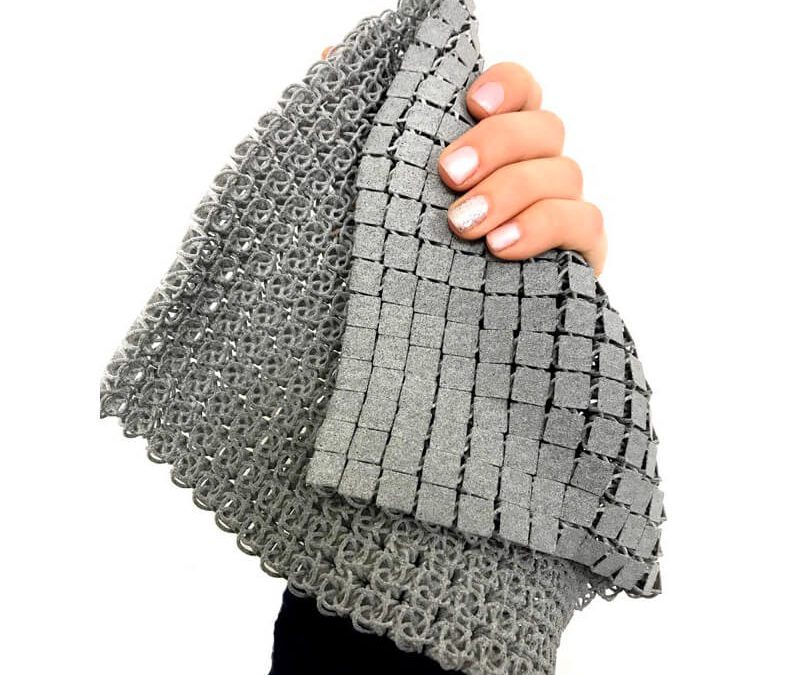
If you need something that can bend, flex, or absorb impact without breaking, TPU is your go-to. It handles cold temperatures well and stands up to most chemicals, which makes it surprisingly versatile. It’s a common pick for things like medical braces for the arm, wrist, or neck, and it works well for automotive jigs and fixtures too. Basically, if your part needs to take some abuse without cracking, TPU is a solid choice.
| Tensile Strength | Elongation | Impact Resistance | Heat Resistance | Cost |
| ~8-12 MPa | ~250-300% | Very High | ~90-100°C | $$$ |
At the end of the day, there’s no single “best” nylon material for every job — it really comes down to what your part needs to do. Need something reliable and budget-friendly? PA12 is hard to beat. Working with electronics? PA12 ESD has you covered. Need serious rigidity and heat resistance? Glass Filled is the move. And if flexibility is the name of the game, TPU delivers. The good news is that with so many solid options available, you can dial in exactly the right material for your application without compromising. Know your requirements, match them to the right material, and you’re good to go.