
Last Updated: [Last-modified]
Most people who get into cosplay hit the same wall eventually. You want a specific piece, a helmet, a gauntlet, a sword, and it doesn’t exist anywhere you can buy it. Carving it out of foam takes forever. Having someone hand-build it costs more than you want to spend.
That’s where 3D printing for cosplay and props comes in.
What Makes 3D Printing Good for Cosplay
3D printing builds objects layer by layer, which sounds like a minor technical detail until you’re trying to recreate something with intricate surface detail or geometry that no traditional tool could reach. It handles complex shapes well, and it’s forgiving in a way other fabrication methods aren’t. If a piece cracks, you reprint it. If the sizing is off, you adjust the file and run it again.
For cosplay builders, that kind of iteration is huge. You’re rarely getting something right on the first try, especially for wearable armor that needs to fit a specific body.
Why Use a Professional 3D Printing Service for Cosplay and Props
Desktop FDM printers, the kind at makerspaces and in most hobbyist setups, are fine for basic stuff. For detailed cosplay work, the layer lines are too visible and the tolerances too loose.
A professional 3D printing service for cosplay and props uses industrial equipment, which produces more consistent parts with better surface quality. At JawsTec, you upload a file, get an instant quote, and a real person reviews the design before it goes to print to catch anything likely to cause problems.
Materials for 3D Printed Cosplay Props
Picking the right material matters more than most people realize.
Nylon PA 12 is the standard choice for rigid pieces: helmets, armor plates, weapon props. Strong, relatively lightweight, and holds up through a full convention day.
TPU is for anything that needs to flex. Joints between armor panels, connection points, parts that would snap under stress if they were rigid. It behaves like rubber and is underused in cosplay builds.
Metal printing is available for specialty pieces where plastic won’t look right: hardware details, mechanical elements, decorative components. It’s more expensive and overkill for most builds, but worth knowing it’s an option.
Best Cosplay Parts to 3D Print
Some pieces are better suited for 3D printing for cosplay and props than others. The technology excels at:
- Helmets and masks
- Armor plates and chest pieces
- Weapon props: swords, guns, shields
- Mechanical accessories
- Creature and creature companion props
Large builds like full Iron Man suits or Halo armor get printed in sections and assembled. That’s not a workaround. It’s standard practice for most serious cosplay builders.
The One Thing People Miss
The printer needs a 3D file. Not a photo, not a reference sketch, but an actual model. This is the most common sticking point when people come to us for quotes.
If you don’t have a file, you’ll need to source one (there are plenty of free cosplay prop files online at places like Thingiverse or MyMiniFactory) or have one modeled. Worth sorting out before you try to get a quote.
Design Tips for 3D Printing Cosplay Props
If you’re preparing files yourself, a few things will save you headaches:
Keep walls thick enough that they won’t warp or crack. Add alignment pegs when a piece prints in multiple sections, because assembly is much less frustrating with them. Leave a small tolerance on surfaces you plan to sand and paint, because finishing removes material. For moving parts, make sure there’s clearance between components. Print them too tight and they’ll fuse during the process.
Post-Processing: The Step Most Guides Skip
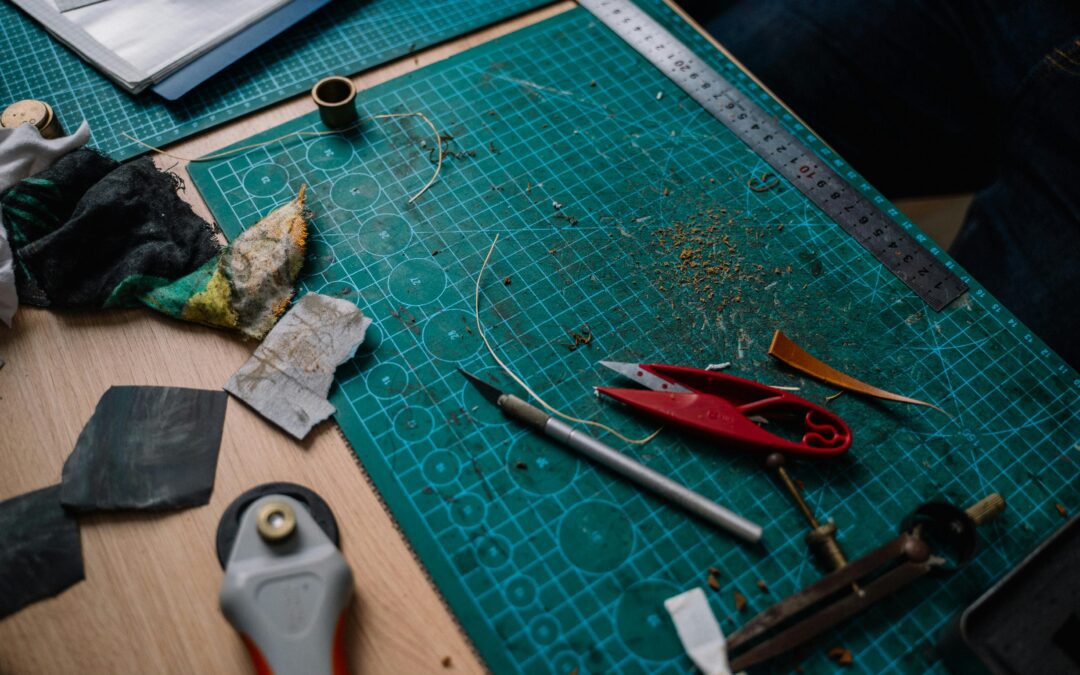
Raw 3D printed cosplay props aren’t convention ready. They need work: sanding layer lines, filling seams between sections, priming, painting, weathering. Some builders skip most of it. Most don’t, and the difference shows.
The finishing process is where a decent print becomes something you’re proud to wear. Plan time for it.
How to Order 3D Printed Cosplay Props from JawsTec
The process is straightforward:
- Upload your 3D model file
- Choose your material
- Review your instant quote
- Place your order
Parts ship directly to you, ready for finishing. If you have questions about material choice or aren’t sure whether a design will work, the quoting process is a good place to get those answered. A real person looks at every file.
Frequently Asked Questions
How much does 3D printing for cosplay cost? It depends on size, material, and complexity. Small accessories can be very affordable. Full helmet prints cost more. The best way to find out is to upload your file and get a quote. It takes about 30 seconds.
What’s the best material for cosplay armor? Nylon PA 12 for most rigid pieces. TPU for anything that needs to flex.
Can I 3D print large props? Yes. Large props are printed in sections and assembled. It’s standard practice.
Do 3D printed props need sanding? Most do. Sanding and priming smooth out layer lines and prep the surface for paint. It’s worth doing.