
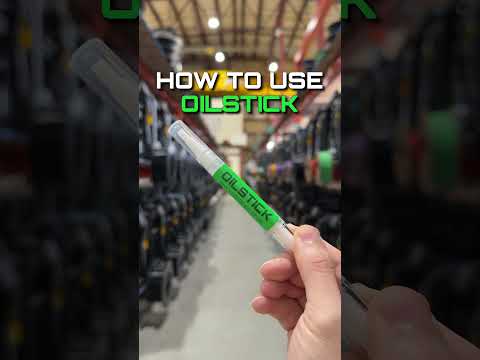
What Is OilStick and Why Does It Matter?
Bed adhesion problems cause failed prints and wasted time. In high-volume manufacturing, these issues multiply fast. OilStick offers a solution that industrial print farms rely on daily.
Large-scale 3D printing operation Slant 3D demonstrates OilStick application in their latest video. Their print farms run thousands of machines. Every efficiency gain matters at that scale.
OilStick 3D printing applications help parts stick during printing. They also release cleanly when finished. This dual benefit reduces labor and improves consistency.
How OilStick Works in Production
The product applies directly to print bed surfaces. It creates a thin release layer. This layer bonds during printing but releases afterward.
Unlike sprays or glues, OilStick leaves minimal residue. Cleanup between prints takes seconds. For production environments, this time savings compounds quickly.
Key Application Steps
- Apply a thin, even coat across the build surface
- Allow brief drying time before starting prints
- Reapply as needed between production runs
- Clean build plate periodically for best results
Benefits for Industrial Operations
Print farms face unique challenges. Parts must release without damage. Bed preparation cannot slow production cycles.
OilStick addresses both concerns effectively. Parts pop off cleanly without tools. Operators spend less time preparing beds between jobs.
Production Efficiency Gains
Consider a facility running hundreds of printers. Each bed prep takes two minutes with traditional methods. OilStick cuts this to thirty seconds or less.
Over thousands of prints, these savings add up significantly. Labor costs drop. Machine uptime increases. Part quality improves with consistent adhesion.
Material Compatibility Considerations
Different materials behave differently on print beds. Some stick too well. Others barely adhere at all.
- PLA and PETG work well with standard application
- Nylon and flexible materials may need adjusted techniques
- High-temperature materials require testing first
- Always verify compatibility with your specific setup
For projects requiring industrial-grade materials, processes like selective laser sintering or Multi Jet Fusion eliminate bed adhesion concerns entirely. These powder-bed technologies don’t require build plate adhesion.
When to Consider Professional Services
Managing bed adhesion is one of many production variables. Temperature, humidity, and material storage all affect outcomes. These factors multiply across large orders.
Working with experienced manufacturing partners like JawsTec removes these variables. Professional services handle material science, process optimization, and quality control. Engineers can focus on design rather than production troubleshooting.
Evaluating Your Production Needs
Small prototype runs may justify in-house management. Larger production volumes often benefit from outsourcing. Consider total cost including labor, failures, and machine time.
Understanding how to choose the right 3D printing material matters more than bed prep techniques. Material selection drives part performance and production success.
Practical Takeaways
OilStick offers real benefits for production 3D printing. Application is straightforward. Results are consistent when properly used.
For engineering teams evaluating manufacturing options, bed adhesion is one consideration among many. Process selection, material properties, and post-processing requirements matter more for final part quality.
Ready to discuss your next production project? Get a quote from JawsTec and let experts handle the production details.
Sources
Source: How to Use OilStick by Slant 3D (YouTube) — https://www.youtube.com/watch?v=AxltrNMzxns