
Real-World Iterative Design in Production
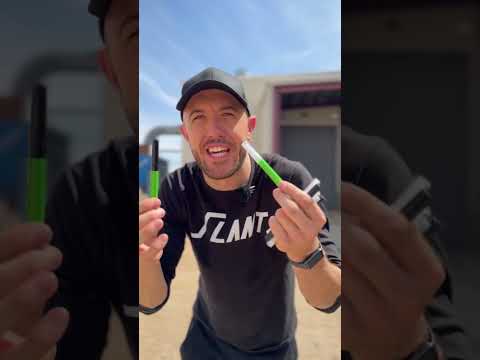
Iterative design 3D printing transforms how manufacturers solve problems. When parts fail in production, additive manufacturing enables rapid fixes. Print farm operator Slant 3D recently demonstrated this process live.
Their OilStick product needed a redesign. The threading mechanism was failing during assembly. Traditional manufacturing would mean costly tooling changes and long delays.
Identifying the Failure Point
The original design used printed threads that engaged with metal components. Users reported difficulty assembling the parts. Some threads stripped during normal use.
Root cause analysis revealed several issues:
- Thread pitch was too fine for FDM layer adhesion
- Wall thickness couldn’t handle assembly torque
- Print orientation created weak layer lines
- Tolerance stack-up caused inconsistent fits
Understanding why orientation matters in 3D printing is critical. Layer lines create anisotropic properties. Threads perpendicular to layers fail faster.
Rapid Prototyping the Solution
The team designed three alternative approaches. Each prototype took hours, not weeks. They tested all versions within days.
Design iteration options included:
- Coarser thread pitch for better layer bonding
- Snap-fit mechanism replacing threads entirely
- Hybrid design with metal insert threads
- Increased wall sections at stress points
Production-scale testing happened immediately. No prototype tooling costs. No minimum order quantities for testing.
Testing at Scale
Print farms enable unique validation approaches. Slant 3D printed hundreds of test units. Real users provided feedback within weeks.
This compressed timeline offers major advantages. Traditional injection molding iterations take months. Additive manufacturing iterations take days.
Lessons for Manufacturing Teams
Engineers and procurement teams can apply these principles. Iterative design 3D printing works across industries. The approach scales from prototypes to production.
Design for Additive Manufacturing
Parts designed for traditional methods often fail in AM. Threads, thin walls, and overhangs need reconsideration. JawsTec helps customers optimize designs for processes like Multi Jet Fusion and selective laser sintering.
Key design considerations include:
- Minimum feature sizes for your chosen process
- Stress orientation relative to build direction
- Tolerance requirements for functional assemblies
- Surface finish needs for end-use applications
When to Iterate Versus Redesign
Small parameter changes work for minor issues. Major failures require fundamental redesign. The OilStick needed both approaches combined.
Procurement teams should budget for iteration cycles. First articles rarely achieve perfection. Plan for two to three design rounds minimum.
Production Benefits of Rapid Iteration
This case study highlights additive manufacturing’s flexibility. Production parts can evolve continuously. No tooling amortization locks you into outdated designs.
Traditional manufacturing penalizes changes. Additive manufacturing rewards improvement. Each production run can incorporate lessons learned.
Ready to start your iterative design project? Get a quote from JawsTec to explore industrial 3D printing options for your team.
Sources
Source: Why Did We Change the OilStick by Slant 3D (YouTube) — https://www.youtube.com/watch?v=KGfaM-p34PA