
From Concept to Six-Figure Sales with Additive Manufacturing
Can 3D printed products compete in retail markets? Lucky Critter proves they can. This pet accessories company generates hundreds of thousands in sales using additive manufacturing for production.
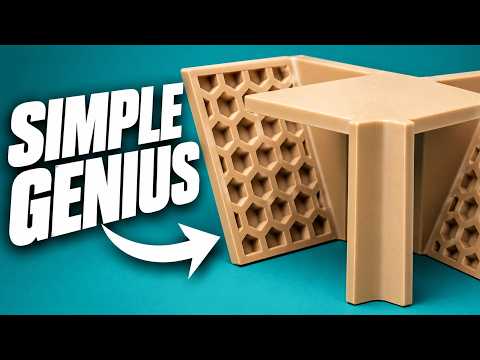
Mass manufacturing firm Slant 3D featured Lucky Critter in their Real 3D Printed Products series. The case study reveals how smart design choices make additive production economically viable.
For engineers and procurement teams, this example offers valuable lessons. Let’s examine what makes this approach work at scale.
Why 3D Printing Works for Pet Accessories
Pet and aquarium products face unique market conditions. Consumers expect variety in colors, sizes, and configurations. Traditional injection molding struggles with this demand.
Each mold costs thousands of dollars. Minimum order quantities lock up capital. Design changes require expensive retooling.
The Economics of Variety
Lucky Critter offers products across multiple categories. Aquarium decorations, feeding accessories, and habitat components all require different designs. With 3D printing, they can:
- Launch new products without mold investments
- Test market response before committing to designs
- Offer color variations at no additional tooling cost
- Iterate based on customer feedback quickly
This flexibility becomes a competitive advantage. Traditional manufacturers can’t respond as fast to market trends.
Design Strategies That Enable Production Scale
Not every 3D printed product succeeds at production volumes. Lucky Critter’s designs demonstrate principles that make scaling possible.
Optimizing for Print Efficiency
Products are designed specifically for additive manufacturing. This means minimizing support structures and maximizing build plate density. Part orientation matters significantly for production efficiency.
Smart design choices reduce print time per unit. Lower print times mean lower costs. Understanding why orientation matters in 3d printing helps teams optimize their own products.
Material Selection for Application
Pet products must meet safety and durability standards. Material choice impacts both cost and product performance. Key considerations include:
- Chemical resistance for aquarium applications
- Food safety certifications for feeding products
- UV stability for outdoor use cases
- Appropriate mechanical properties for intended function
Industrial processes like Multi Jet Fusion and Selective Laser Sintering offer production-grade materials that meet these requirements.
Lessons for Product Development Teams
Lucky Critter’s success isn’t just about choosing 3D printing. Their approach offers broader insights for product teams considering additive manufacturing.
Start with Market Validation
3D printing enables low-risk product testing. Launch small batches to gauge demand before scaling production. This reduces inventory risk significantly.
Design for the Process
Products designed for injection molding don’t automatically work for additive manufacturing. Rethink designs to leverage 3D printing’s strengths. Consolidate assemblies. Add geometric complexity where it adds value.
Partner with Experienced Producers
Production 3D printing requires different expertise than prototyping. Work with partners who understand high-volume additive manufacturing. JawsTec helps companies transition from prototyping to production with industrial-grade processes.
When Does Production 3D Printing Make Sense?
Not every product benefits from additive manufacturing at scale. The Lucky Critter example highlights ideal conditions:
- High product variety requirements
- Moderate production volumes
- Designs that leverage geometric freedom
- Markets that value customization
Compare additive manufacturing costs against injection molding alternatives for your specific volumes and complexity.
Moving Forward with Production Additive Manufacturing
Lucky Critter demonstrates that 3D printed products can succeed commercially. The key lies in smart design, appropriate material selection, and understanding market fit.
Ready to explore production 3D printing for your products? Get a quote from JawsTec to evaluate your project’s feasibility.
Sources
Source: Real 3D Printed Products Lucky Critter by Slant 3D (YouTube) — https://www.youtube.com/watch?v=AhjcoZHJcxk