
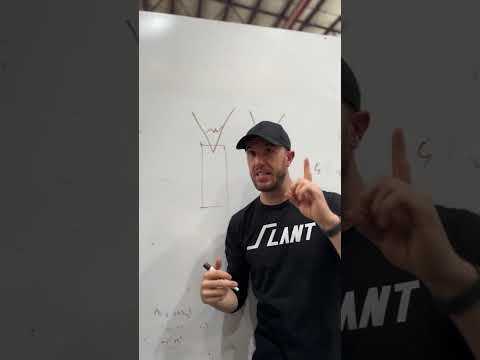
Why Support Failures Cost Manufacturers Time and Money
Support failures rank among the most frustrating issues in additive manufacturing. When supports fail mid-print, you lose material, machine time, and production deadlines. For engineers and procurement teams, understanding these failures is critical.
A recent video from Slant 3D, a high-volume 3D printing service, highlighted common support failure points. Their insights apply directly to industrial production environments. Let’s break down the key takeaways.
Common Causes of Support Structure Failures
Support structures fail for predictable reasons. Identifying these patterns helps you prevent costly reprints. Here are the primary culprits:
- Insufficient contact area between supports and the build plate
- Poor adhesion at the support-to-part interface
- Thermal stress causing supports to warp or detach
- Overly aggressive support removal settings
Each failure mode requires a different solution. The key is matching your approach to your specific geometry and material.
The Critical First Layers
Most support failures begin at the base. When supports don’t adhere properly to the build surface, everything above becomes unstable. This is especially true for tall, thin support structures.
Industrial processes like Selective Laser Sintering avoid this issue entirely. SLS uses powder as self-supporting material. No dedicated supports means no support failures.
Design Strategies That Reduce Support Dependency
The best support is no support at all. Smart design choices can dramatically reduce your support requirements. Consider these approaches:
- Orient parts to minimize overhangs below 45 degrees
- Add chamfers instead of sharp horizontal overhangs
- Split complex geometries into assemblies
- Use self-supporting angles in internal channels
Part orientation alone can cut support volume by 50% or more. This saves material, reduces post-processing, and improves surface finish. Learn more about why orientation matters in 3D printing.
When Supports Are Unavoidable
Some geometries simply require supports. In these cases, optimize rather than eliminate. Use tree supports for organic shapes. Apply breakaway supports for easy removal.
For production parts, consider switching technologies. Multi Jet Fusion and SLS handle complex geometries without supports. This eliminates failure risk entirely.
Process Selection Matters for Production
Your choice of printing process directly impacts support requirements. Different technologies handle overhangs differently:
Powder bed fusion processes excel at complex geometries. The surrounding powder supports the part during printing. Resin processes offer dissolvable supports for intricate details.
At JawsTec, engineers can help you select the optimal process for your geometry. Request a quote to discuss your specific requirements.
Material Considerations
Material choice affects support success rates. High-temperature materials warp more aggressively. This puts additional stress on support structures.
Flexible materials like TPU present unique challenges. Supports can be difficult to remove without damaging parts. Consider TPU-specific printing strategies for these applications.
Practical Steps for Your Next Project
Apply these principles to reduce support failures in your production runs. Start by reviewing your part geometry. Identify areas that generate excessive supports.
Work with your 3D printing service provider to optimize orientation. Discuss alternative processes for complex geometries. Small changes often yield significant improvements in reliability.
Support failures don’t have to derail your production schedule. With proper planning and process selection, you can achieve consistent, reliable results every time.
Sources
Source: Stop Letting Supports Fail Here by Slant 3D (YouTube) — https://www.youtube.com/watch?v=UP-GoonYvZk