
Last Updated:
3D Printing and the Future of Home Construction
3D printing has found its way into nearly every industry, from architecture to manufacturing, and even into some unusual areas like 3D-printed meats. One of the most practical and exciting frontiers, however, is construction. Large-scale 3D printing is already being used in several projects around the world, and one of the fastest-growing applications is 3D-printed homes.
This approach to building is starting to gain attention for its speed, cost savings, and design flexibility. While it may still feel futuristic, the technology is already proving to be a real option for the future of affordable and sustainable housing.
Why Choose a 3D-Printed Home?
3D-printed homes are still a relatively new concept, but they already come with several clear advantages over traditional construction.
The most noticeable benefit is time. Building and printing a 3D-printed home is significantly faster than traditional methods. Some projects have been completed in just a few days, compared to months or even years for conventional builds. Faster construction means lower labor costs and quicker move-in times, which can make a huge difference for both builders and buyers.
Next is the cost. According to SQ4D, a 3D-printed home can be 20 to 40 percent cheaper than a traditional one. This price difference comes from reduced labor requirements, fewer material costs, and less waste overall. The printer uses exactly the amount of concrete needed for the structure, eliminating much of the leftover debris common in standard construction projects.
Then there’s durability. Because these homes are built primarily from concrete, they can better resist common problems like pests, mold, and natural decay. They also tend to hold up better in extreme weather conditions. Concrete offers long-term safety and stability, which means these homes could last for generations with minimal maintenance.
How 3D Printed Homes Work
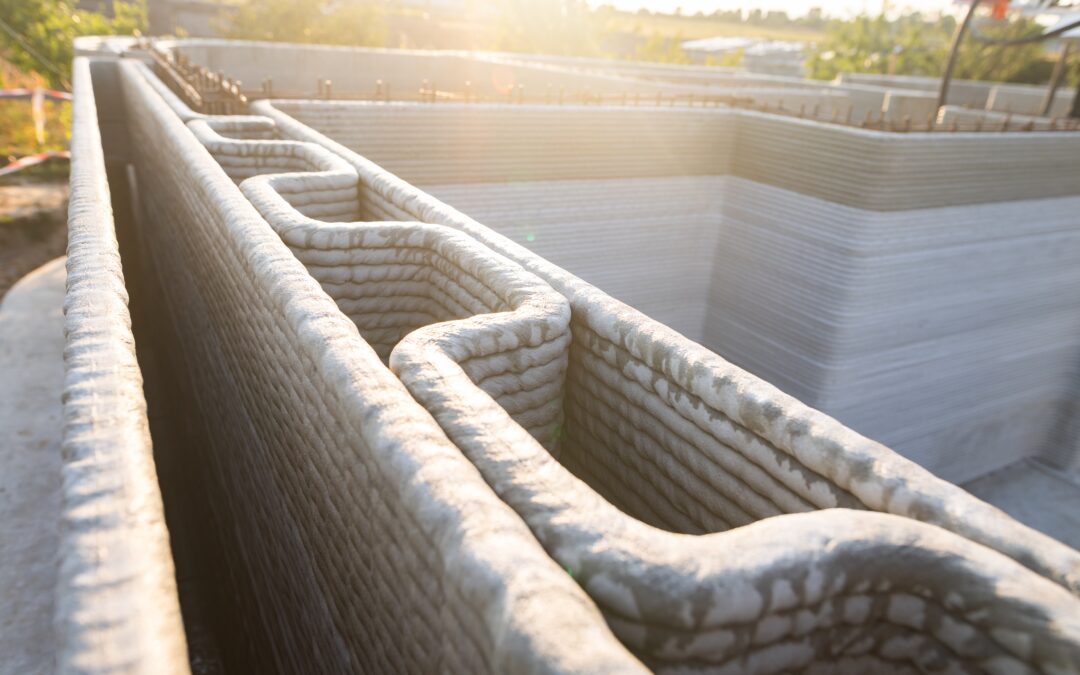
The process starts with architects and designers creating a digital model of the home. Once the layout is finalized, a large-scale 3D printer is brought in to print the structure layer by layer. The printer follows the digital blueprint, extruding a concrete mixture to form the walls and foundation.
The total printing time depends on the size of the home, the design complexity, and the machinery used, but most projects can be completed in a matter of days to several weeks. Once the printing is done, traditional finishing work like wiring, plumbing, and roofing is completed by hand.
3D-Printed Homes in Idaho
These homes are becoming more common, even here in our home state of Idaho. Several projects have started to appear in larger metropolitan areas, drawing attention from both builders and homebuyers interested in innovation and sustainability.
Although 3D-printed homes are legal to build, not every area currently has access to the specialized equipment or trained professionals needed for this type of construction. Still, the demand for affordable housing and sustainable solutions continues to grow. As the technology becomes more accessible and better understood, we can expect to see more of these homes—and larger projects—taking shape across Idaho and beyond.