
3D Printing Services
Our 3D printing services deliver fast, efficient, and cost-effective parts production, from single prototypes to full-scale runs, backed by ISO and ITAR compliance.
All Uploads are Confidential and Secure
Industrial 3D Printing Services for Prototypes and Production Parts
Need a 3D printing service that delivers functional parts, not just pretty models? JawsTec provides industrial 3D printing services, including HP Multi Jet Fusion (MJF), SLS, SLA, and metal 3D printing, for engineers, product designers, and manufacturers. Upload a STEP or STL file for an instant quote, then get durable plastic or metal parts in a standard 4–5 business days, or 2 days with expedited service. From a single prototype to a full production run, there’s no minimum order. Every part is made in American Falls, Idaho, and we ship across the United States and internationally.
Industrial 3D Printing Processes
JawsTec offers a range of industrial 3D printing services, each suited to different materials, tolerances, and production needs.
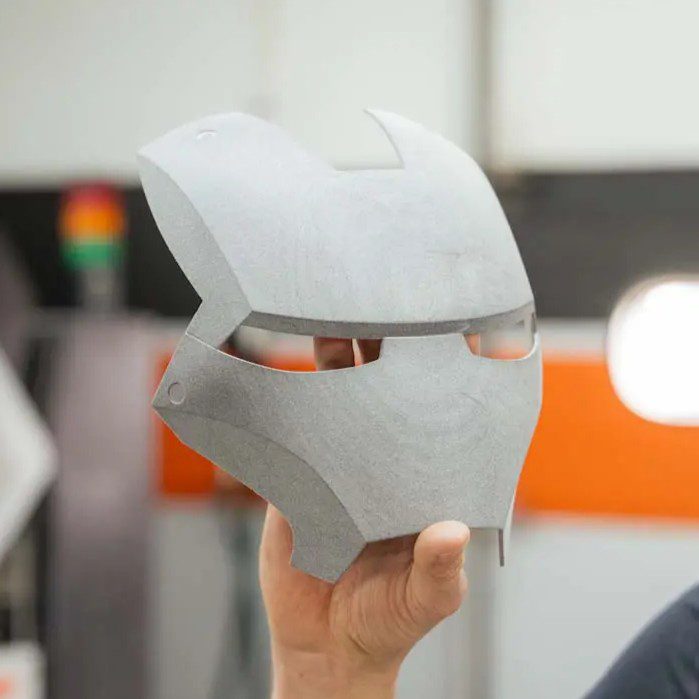
MJF
Want a slightly cheaper 3D printing option than SLS? Take a look at the MJF process.
- Cost-effective process
- Watertight structures
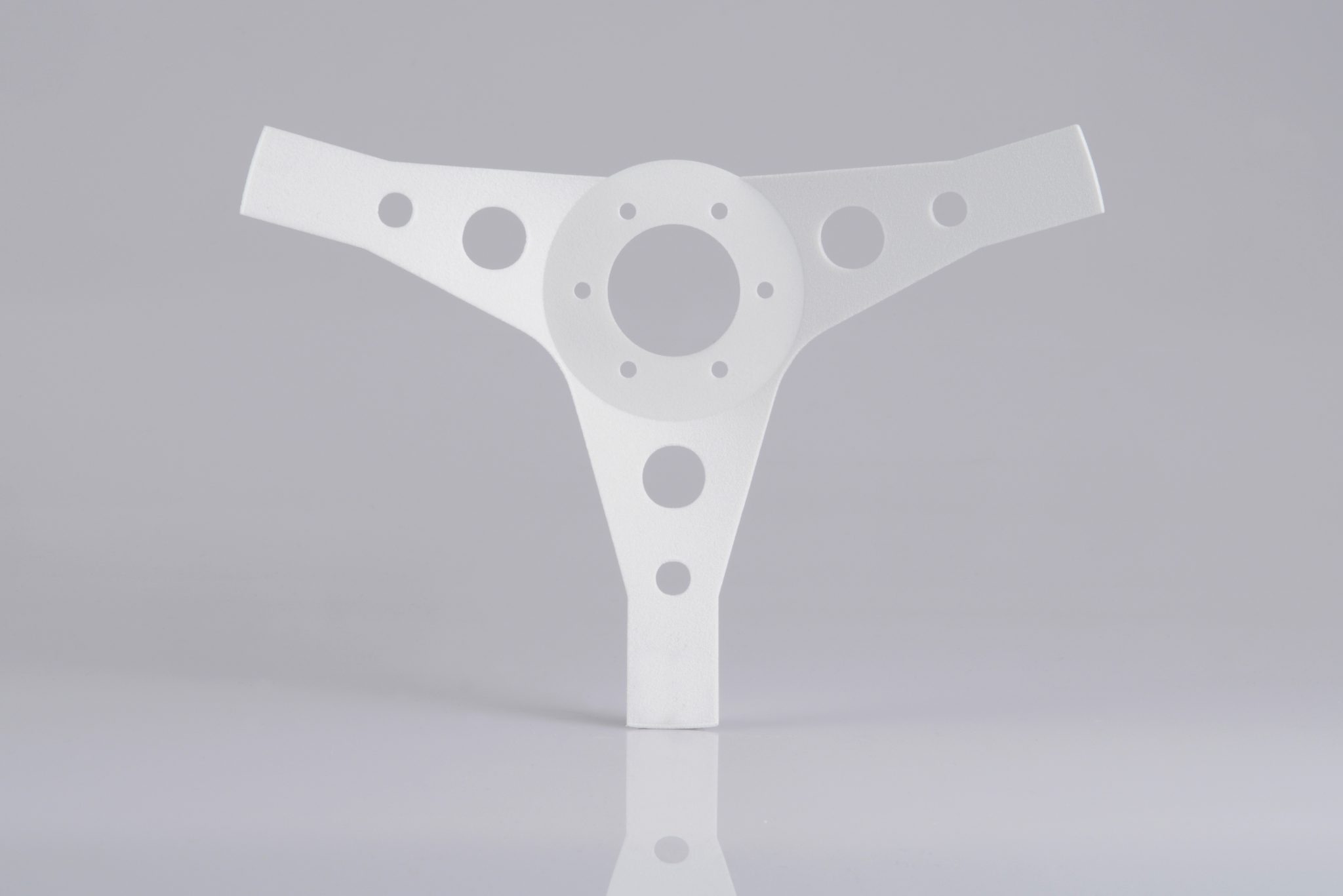
SLS
Looking for another option to print nylon parts? Check out the SLS process
- Dimensional accuracy
- Chemical resistance
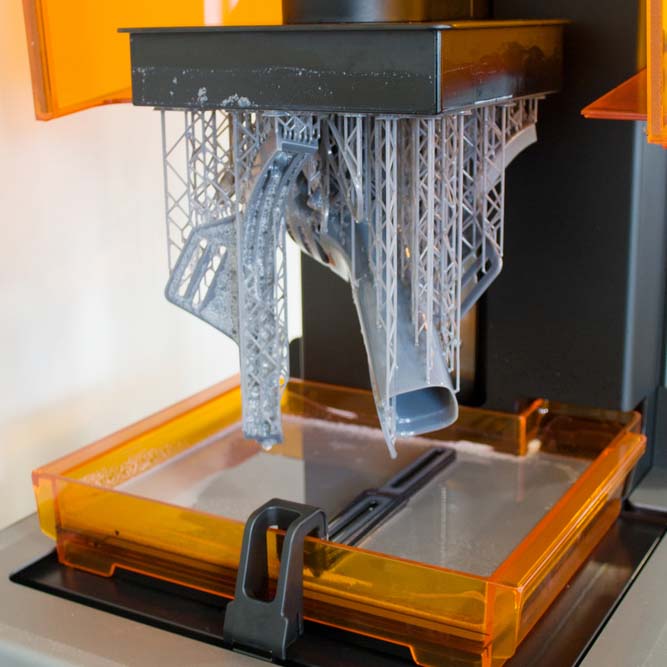
SLA
Want to try a whole new printing process? Take a look at SLA technology.
- Superior strength and durability
- Smooth raw surface
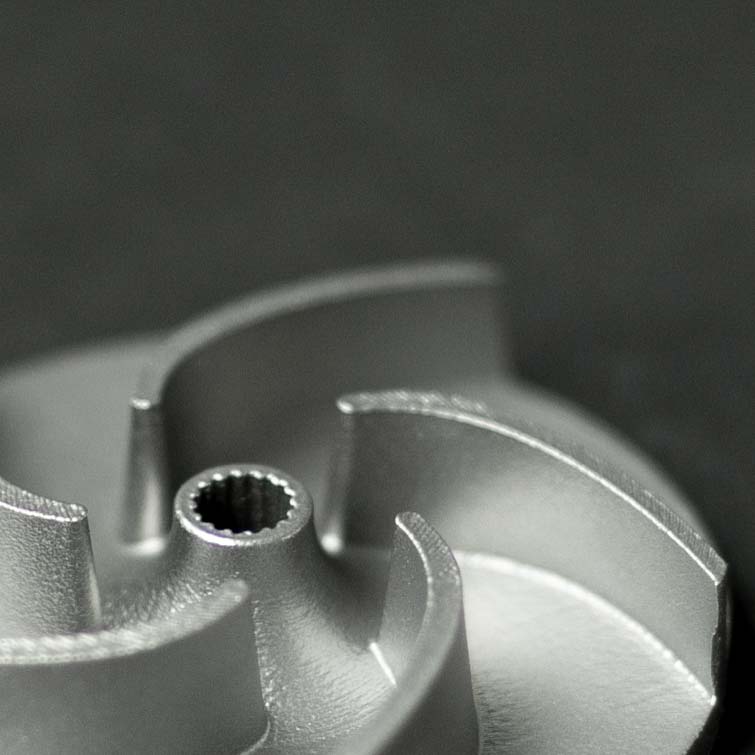
SLM
Need to print some metal parts? We’ve got you covered with our SLM printing technology.
- Lightweight metal parts
- Highly customizable metal parts
Choosing the Right 3D Printing Process for Your Material, Tolerance, and Budget
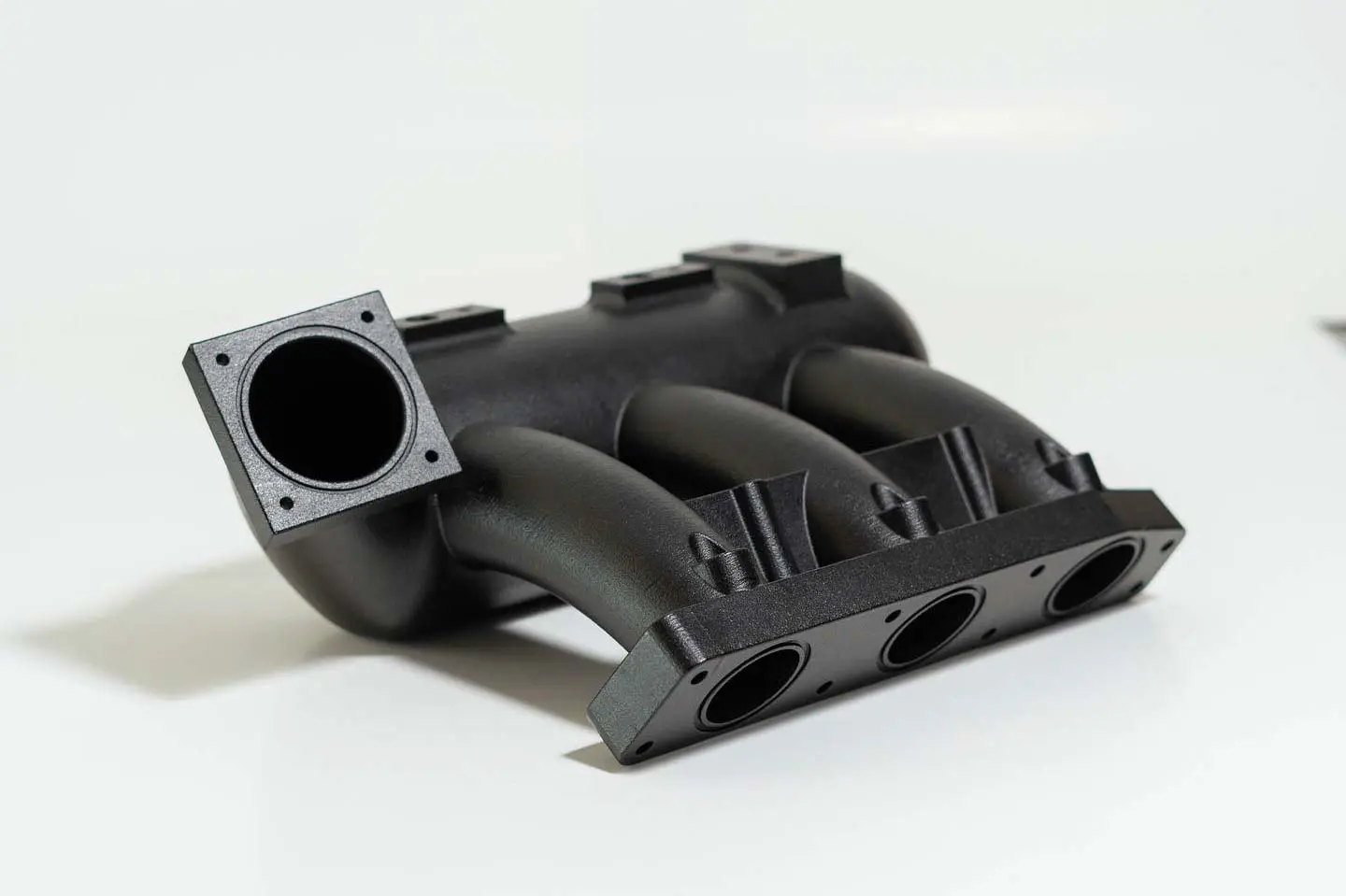
Choose MJF
When you need
- strong, functional nylon parts
- fast lead times
- low-to-mid volume production runs
- consistent mechanical properties
- fine feature resolution
- excellent repeatability
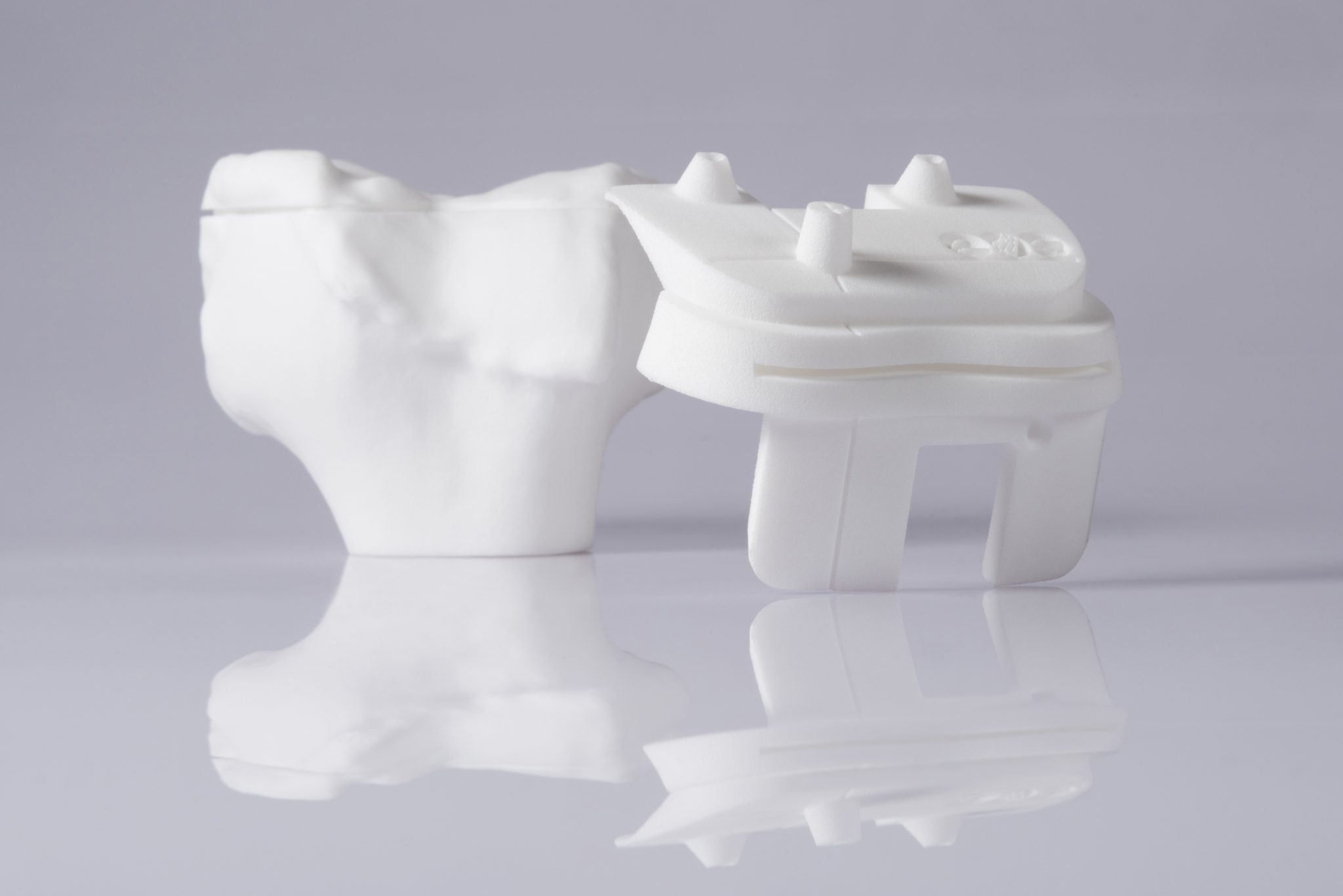
Choose SLS
When you need:
- durable, functional nylon parts
- complex geometries, no support structures
- design freedom for intricate features
- good mechanical strength
- efficient nesting for high part counts
- proven reliability for prototypes & end-use parts
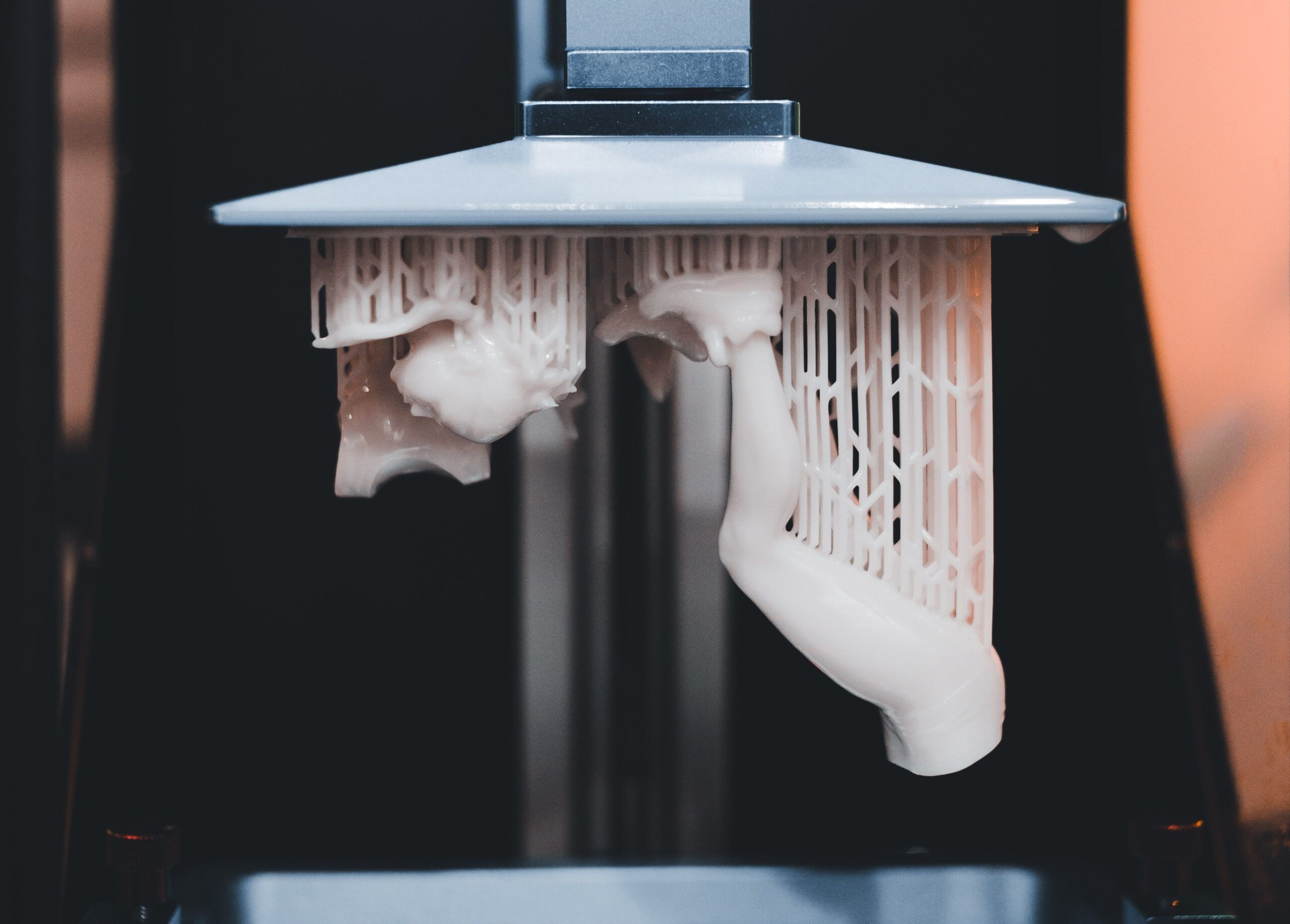
Choose SLA
When you need:
- smooth, high-detail surface finish
- tight tolerances and fine features
- clear or cosmetic-grade prototypes
- isotropic mechanical properties
- wide material options (rigid, flexible, castable resins)
- excellent for form, fit, and visual models
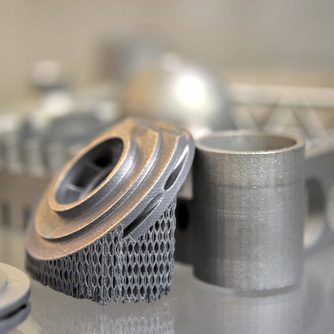
Choose SLM
When you need:
- durable, high-strength metal parts
- complex internal geometries
- dense, fully functional components
- excellent mechanical properties under load
- material versatility (titanium, aluminum, steel, etc.)
- end-use parts for demanding applications
3D Printing Process Comparison
| MJF | SLS | SLA | SLM | |
| Material | Nylon (PA12, PA12 S, PA12 GF, PA11) | Nylon (PA2200, PA12), TPU | Photopolymer resin | Metal (316L SS,17-4 PH SS, Al) |
| Best For | Functional plastic parts, production runs | Durable prototypes, complex geometry | High-detail visual models | Functional metal parts |
| Tolerances | (X,Y): +\\- 0.300mm or 100mm +\\- 0.3%(Z): +\\- 0.400mm or > 100mm +\\- 0.4% | (X,Y): +\\- 0.300mm or 100mm +\\- 0.3%(Z): +\\- 0.400mm or > 100mm +\\- 0.4% | Very high | Moderate |
| Speed | Fast (batch) | Moderate | Moderate | Slower |
| Cost | $$ (Scales well) | $$ | $ (Single Parts) | $$$$ |
| Supports? | No | No | Yes | Yes |
| Available at JawsTec | ✅ | ✅ | ✅ | ✅ |
Choose From a Full Range of Plastics and Metals for Functional or Cosmetic Parts
With a wide variety of 3D printing materials available, it is important to ensure that you pick the correct one for your project.
Select each of the options below to learn more.
Every Part Meets Our Quality Standard Before It Ships
Here at JawsTec, we make sure to provide top-quality parts to our customers and to go beyond their expectations.
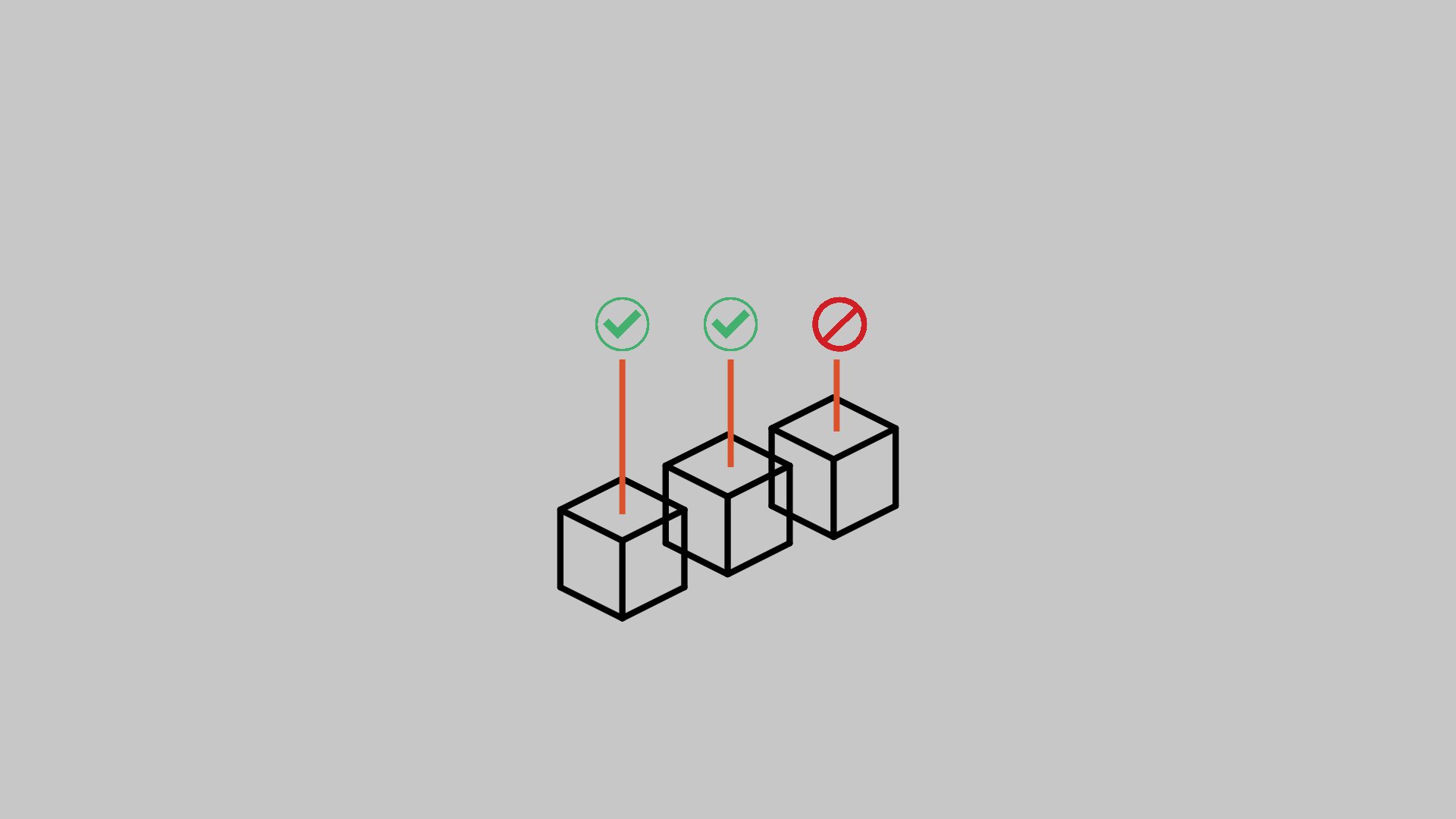
Inspection standards
Before we ship any orders, our team performs a quality inspection over each of your parts. If they are unacceptable, we take steps to fix the issues so you will be satisfied with the results.
Read more about our Standards
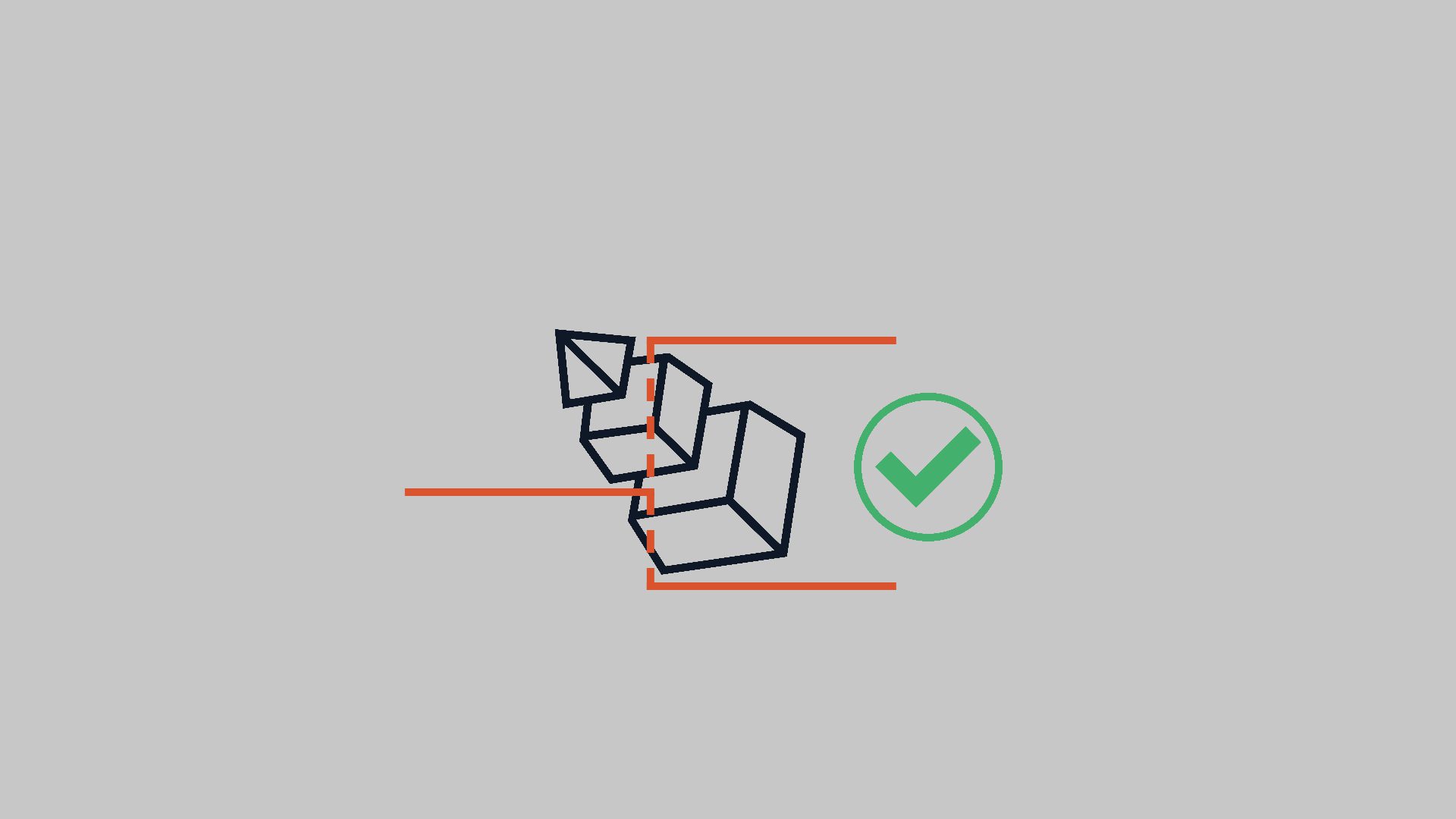
Dimensional accuracy
One specific type of inspection we perform is dimensional accuracy. This step helps ensure that your parts are to your exact standards and will suit your purposes perfectly.
Read more about Precision
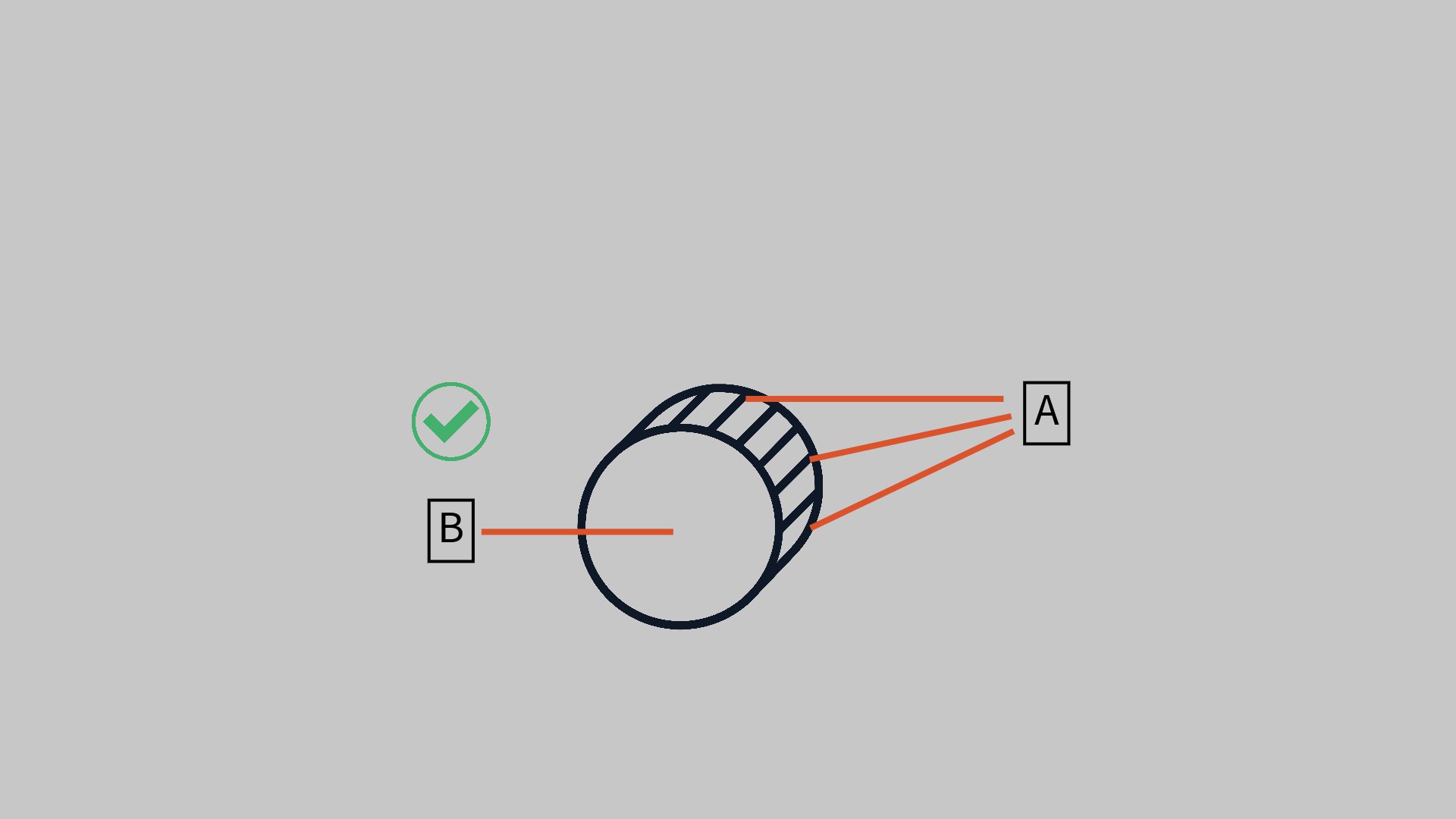
Cosmetic standards
To meet your cosmetic standards, we offer a variety of surface finishes, post-processing color dyes, and other services to produce a profession part.
Read more about our Cosmetic Finishes
The JawsTec See-It-First Guarantee
A flaw shouldn’t cost you your deadline. We check every part before it leaves our facility, and if anything isn’t quite right, you’ll see it too before you ever open the box.
- We check every part before it ships. Anything that doesn’t meet our standard gets flagged
- If something’s off, you’ll see it the same day it ships. We bag it separately, photograph it, and send you the picture.
- You decide if it works for you. If it’s not right, reply, and we’ll reprint it for free. No returns, and you keep the original.
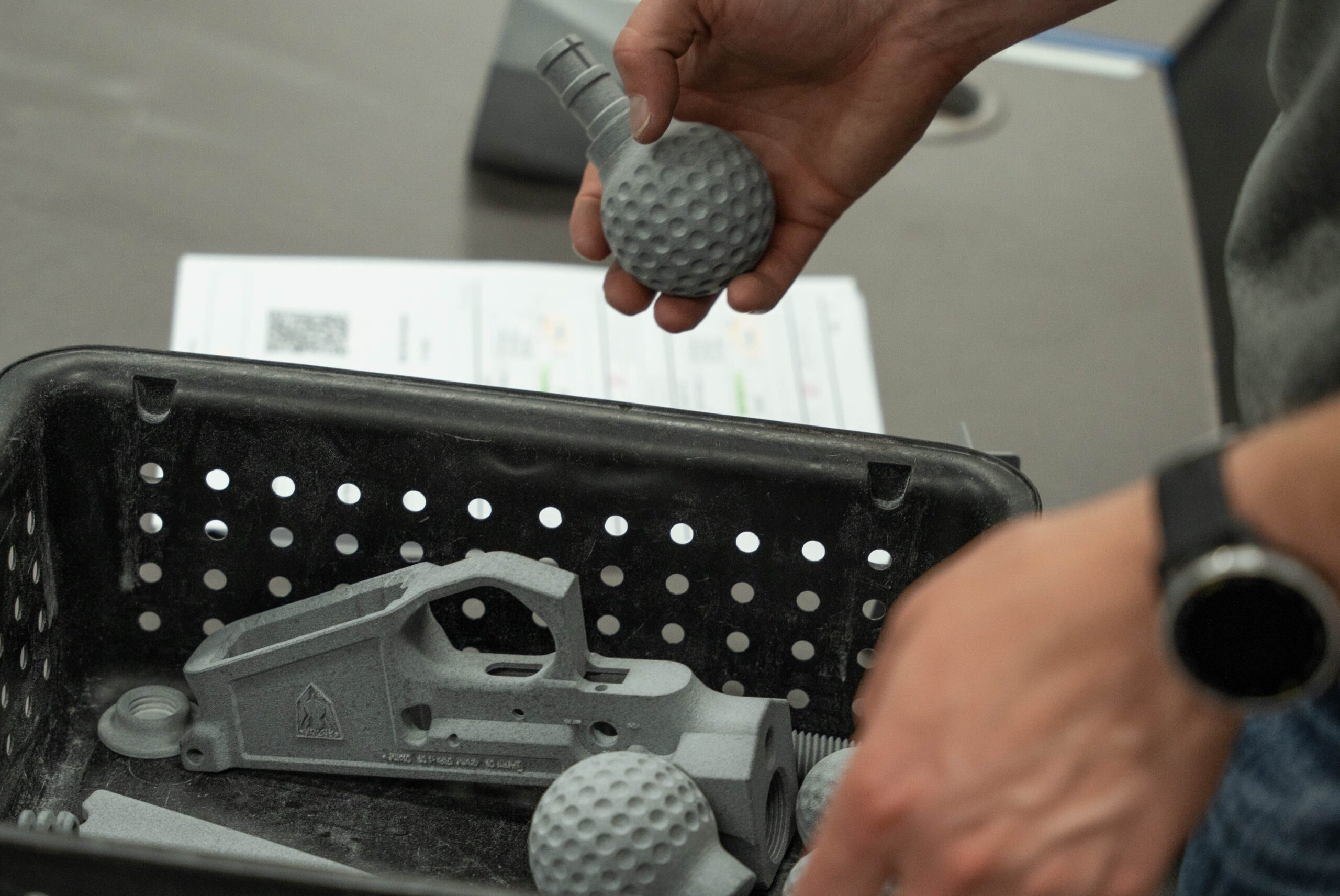
Standard 4–5 Day Turnaround With 2-Day Expedited Options Available
At JawsTec, we prioritize both speed and reliability to keep your projects moving forward. In most cases, you can expect a 4–5 business day turnaround time. Additional finishing services, such as dyeing or vapor polishing, will extend turnaround times, as these processes require extra steps to achieve the desired final appearance and performance. We keep you updated throughout each stage of production, and our team is always available if you have questions along the way.
For time-sensitive projects, expedited printing and shipping options are available for select processes. If you’re unsure which turnaround or shipping option best fits your needs, contact us at [email protected], and we’ll help you determine.
Everything You Need to Design Parts That Print Right the First Time
Visit the links below to access some helpful articles and find more information.
Need More Than 3D Printing? We Also Offer CNC, Sheet Metal & Injection Molding
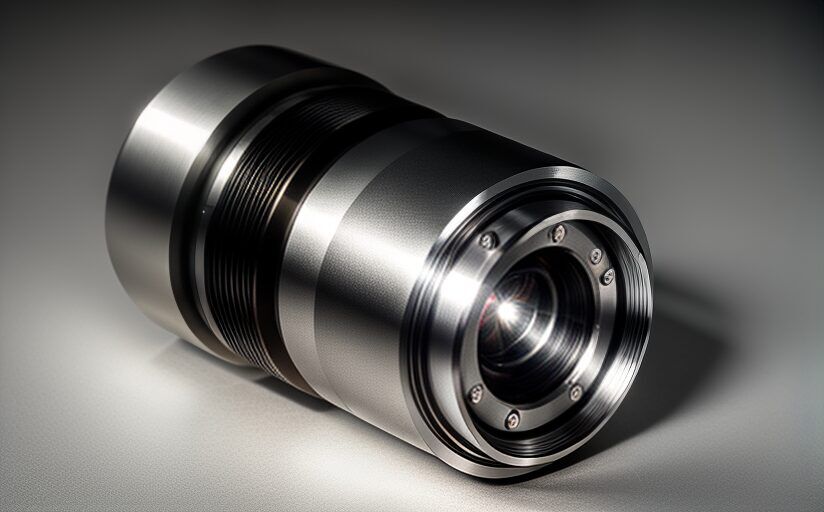
CNC machining
CNC Machining CNC machining is a subtractive manufacturing process that mills, turns, and cuts raw material — metal or plastic — into precise, finished parts directly from your CAD file. It’s ideal for parts that demand tight tolerances, smooth surface finishes, and material properties that 3D printing can’t match.
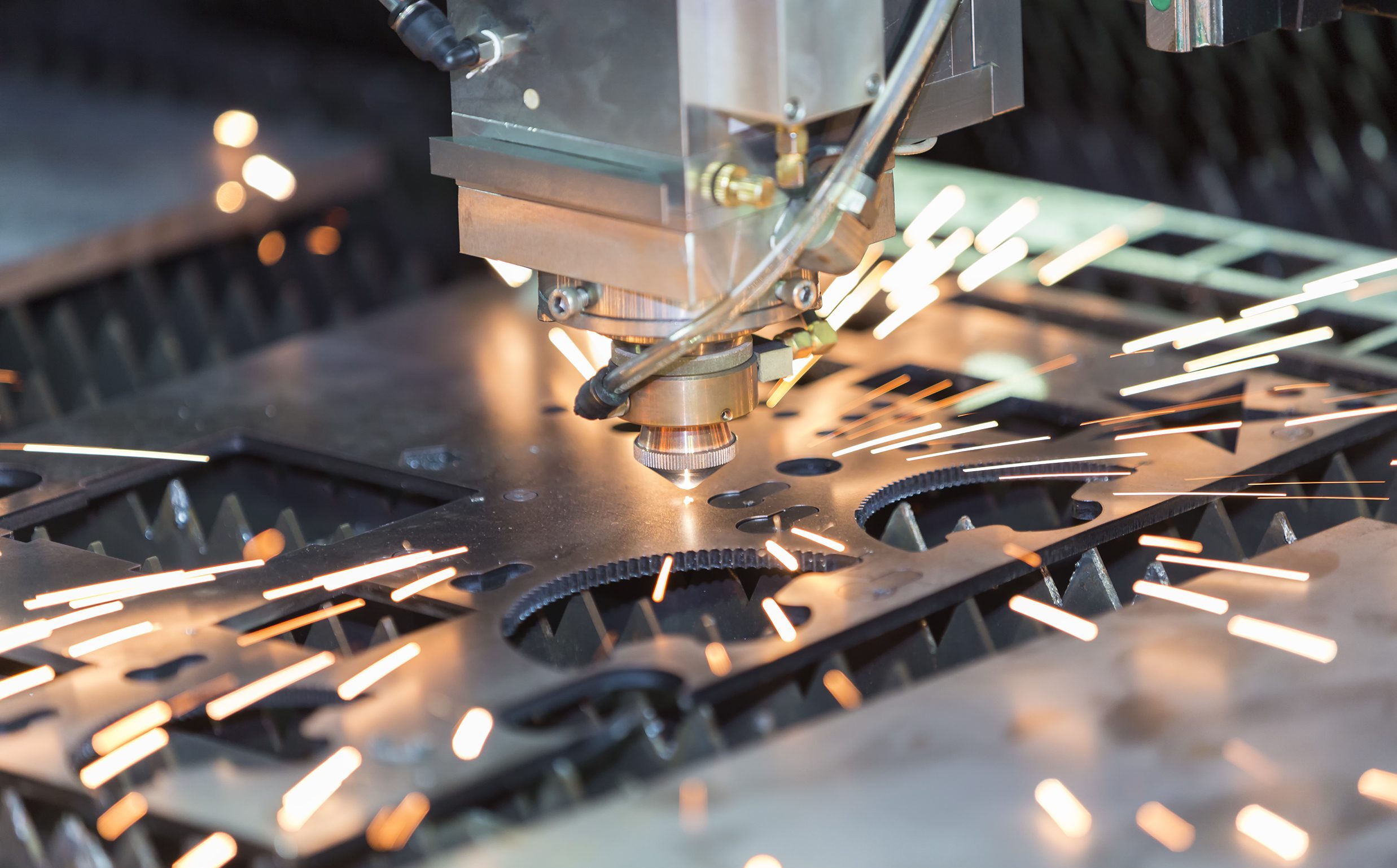
Sheet metal fabrication
Sheet Metal Fabrication Transform flat metal stock into precise parts and assemblies using laser cutting, bending, and forming. We work with stainless steel, aluminum, and mild steel to produce brackets, enclosures, panels, and structural components — with fast turnaround for both prototypes and production runs.
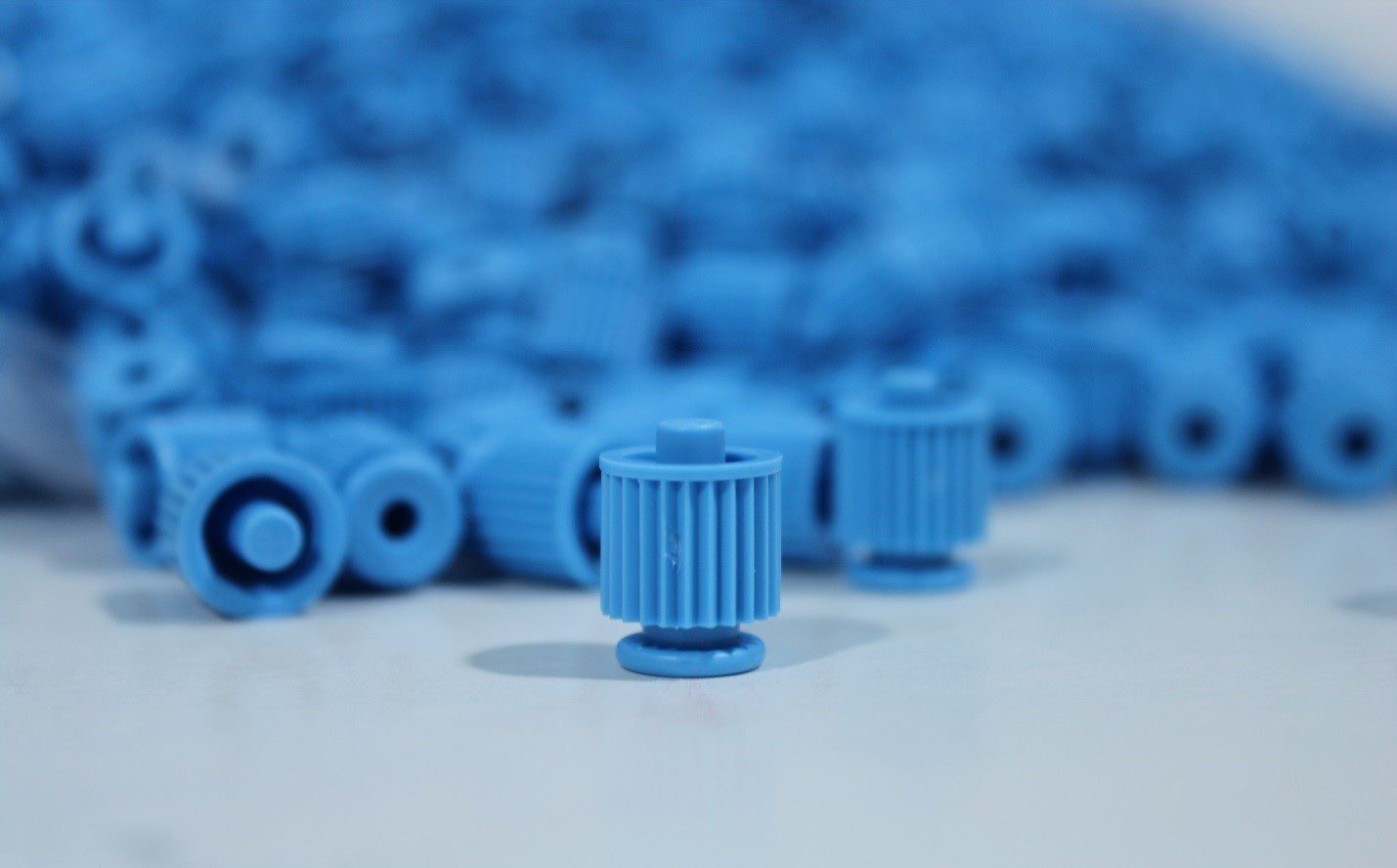
Injection molding
Injection Molding Injection molding is the go-to process for high-volume production of consistent, repeatable plastic parts. A custom mold is created once, then filled with your chosen thermoplastic to produce identical parts at scale — making it the most cost-effective option when you need hundreds or thousands of the same component.
FAQ’s
-
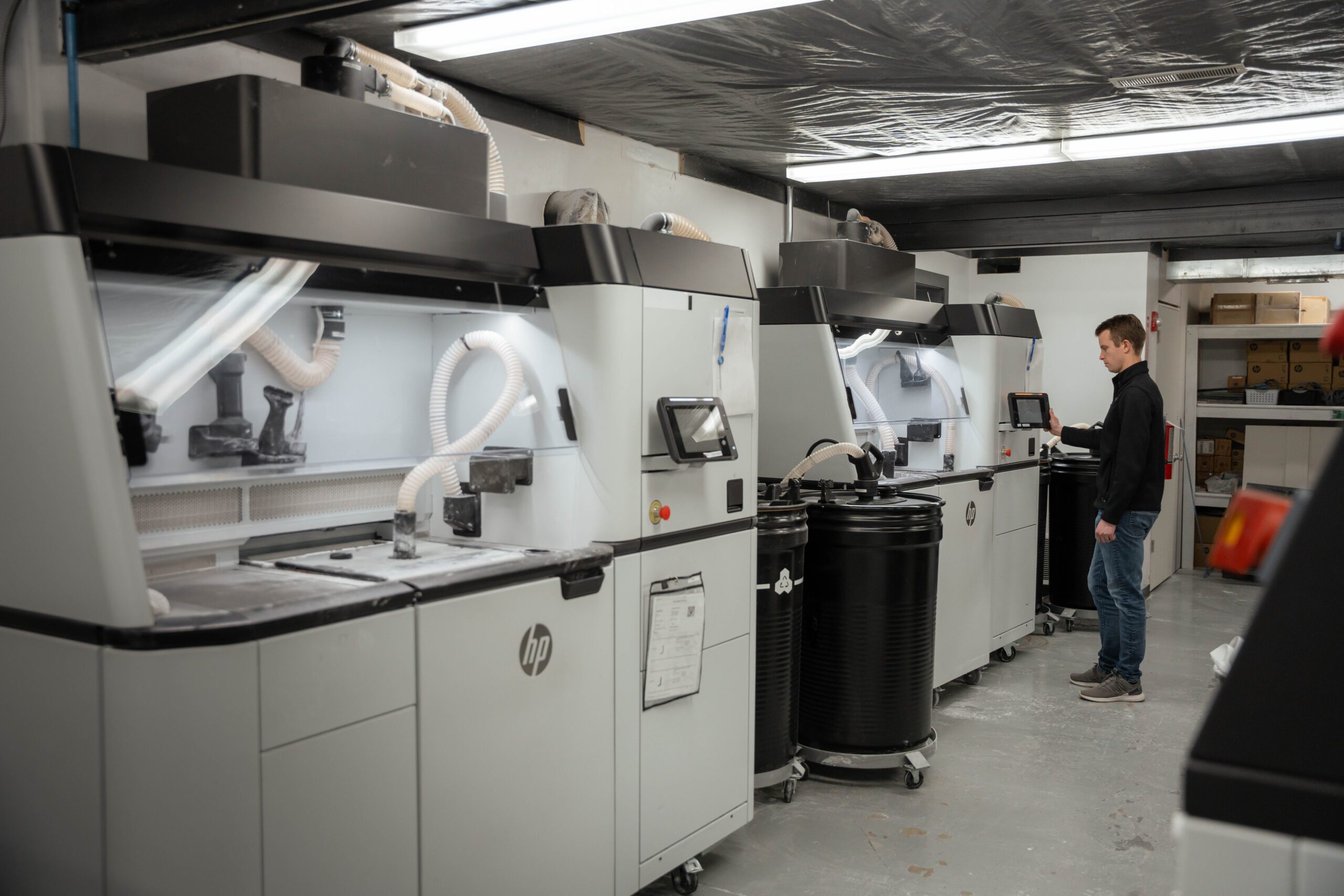
What type of printers do you use?We print using the MJF 5600 Pro machines from HP, along with the EOS P396/P770 and XYZ 230 machines.
-
Do you offer 3D scanning off an existing model?At this time, we do not offer this service.
-
Do you print in color?We now offer multiple colors for our MJF and SLS processes. In order to get a quote, you will need a .3MF file.
-
What kind of turn-around time can I expect?We strive for a 4-5 business day turnaround time. Post processing can add additional time to orders.
-
Can I email or phone in an order?We prefer that orders are placed in our instant quote engine. If you need help through the process, please contact us.
-
Where are we located?Located in American Falls, Idaho, we proudly serve customers across the United States and around the world.
-
Difference Between ABS vs PLA?Read this article about the key differences between PLA and ABS.
-
What areas do you service?JawsTec serves customers across the United States, including Alaska and Hawaii, as well as international clients worldwide. We provide high-quality 3D printing, CNC machining, and fabrication with global shipping and support, making it easy to work with a trusted U.S.-based production partner from anywhere.
-
What is the best 3D printing process for production parts?The best 3D printing process for production parts is typically Multi Jet Fusion (MJF) due to its strength, consistency, and scalability. MJF uses nylon materials like PA12 to produce durable, high-resolution parts that are suitable for end-use applications. Compared to other methods, it offers faster build times and more consistent mechanical properties, making it ideal for both low- and mid-volume production runs.
-
MJF vs SLS: which should I choose?MJF is generally better for most applications due to its faster speed, smoother surface finish, and more consistent part quality, while SLS is a strong alternative for specific geometries and material needs. MJF produces parts with more uniform density and better detail, making it ideal for functional components. SLS, on the other hand, can be more cost-effective for certain builds and offers slightly more material flexibility.
-
How much does 3D printing cost?3D printing costs vary based on part size, material, and process, but most parts range from a few dollars to several hundred per piece. Factors like volume, geometry complexity, and finishing requirements all impact pricing. Processes like MJF and SLS are typically more cost-effective for functional parts, especially when producing multiple units in a single build.
-
How fast can I get 3D printed parts?Most 3D printed parts can be completed within 2–5 business days, depending on the process and order size. Faster turnaround times are possible with expedited production options. Technologies like MJF are known for their speed, allowing for quick production of high-quality parts without sacrificing accuracy.
-
What is the strongest 3D printing material?Nylon (especially PA12) is one of the strongest and most widely used 3D printing materials for functional parts. It offers excellent durability, impact resistance, and chemical stability. For applications requiring flexibility, TPU is a strong elastomer option, while metal materials like stainless steel provide the highest strength for industrial use cases.
-
Is TPU the same as rubber?TPU is not exactly rubber, but it behaves very similarly and is often used as a rubber-like material in 3D printing. It is a flexible thermoplastic that offers elasticity, durability, and abrasion resistance. Unlike traditional rubber, TPU can be precisely manufactured using 3D printing, making it ideal for seals, gaskets, and flexible components.
-
What file types do you accept?Most 3D printing services accept common file formats such as STL, STEP, and OBJ. These formats contain the 3D geometry needed to produce your part. For best results, files should be properly scaled, watertight, and free of errors before submission.
-
What tolerances can you achieve?Typical 3D printing tolerances range from ±0.2 mm to ±0.5 mm depending on the process and part size. MJF and SLS offer some of the most consistent tolerances, making them suitable for functional and interlocking parts. Final tolerances may vary based on geometry, orientation, and post-processing requirements.
-
Can 3D printing be used for end-use parts?Yes, 3D printing is widely used for end-use parts across industries such as automotive, robotics, and consumer products. Processes like MJF and SLS produce strong, durable components that can withstand real-world conditions. This makes 3D printing a viable solution for both prototyping and full production.