by Michael.E | Sep 15, 2026 | 3D printing
Real-World Iterative Design in Production Iterative design 3D printing transforms how manufacturers solve problems. When parts fail in production, additive manufacturing enables rapid fixes. Print farm operator Slant 3D recently demonstrated this process live. Their...
by Michael.E | Sep 11, 2026 | 3D printing
Why Interlocking Part Design Challenges Engineers Designing 3D printed interlocking parts seems simple. The reality proves far more complex. Even LEGO bricks, which appear basic, contain sophisticated engineering. Production 3D printing company Slant 3D recently...
by Michael.E | Sep 10, 2026 | 3D printing
What Is Continuous Fiber 3D Printing? Continuous fiber 3D printing embeds long strands of reinforcing material directly into thermoplastic parts. Unlike chopped fiber composites, continuous strands run unbroken through the print. This creates parts with strength...
by Michael.E | Sep 9, 2026 | 3D printing
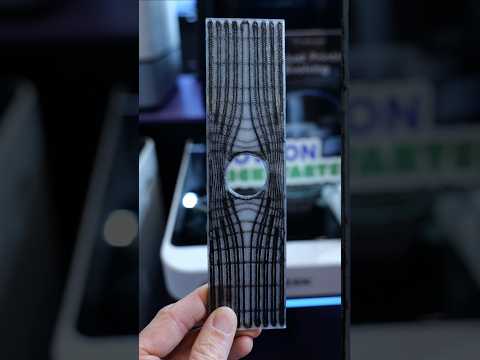
NASA’s New Approach to Aerospace Testing NASA engineers face constant pressure to test designs faster. Traditional wind tunnel tools took months to manufacture. Now, 3D printed wind tunnel tools are cutting that timeline dramatically. The Cool Parts Show by AM...
by Michael.E | Sep 8, 2026 | 3D printing
Why Snap-Fit Lids Fail in 3D Printing Getting snap-fit lid design right is challenging. Many engineers struggle with lids that are too loose or too tight. The root cause is often misunderstanding how 3D printing tolerances affect mating surfaces. 3D printing volume...
by Michael.E | Sep 4, 2026 | 3D printing
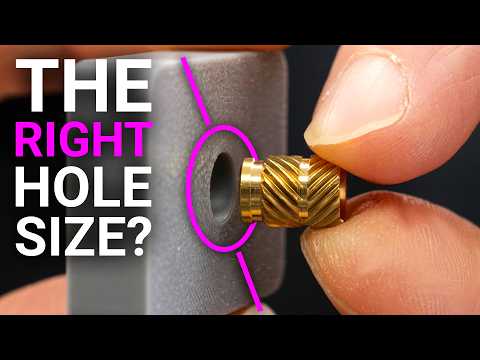
Why Heat-Set Insert Specifications Need Scrutiny Heat-set inserts create reliable threaded connections in 3D printed parts. Engineers depend on manufacturer datasheets for design decisions. But recent testing reveals those specifications may not tell the whole story....