
Last Updated:
3D printing is a versatile and adaptable technology used in many facets of life. Almost every industry has used 3D printing to advance its own processes. And with its simplicity, new people join the community of creators every day. There are a few things needed to get started.
3D Printer
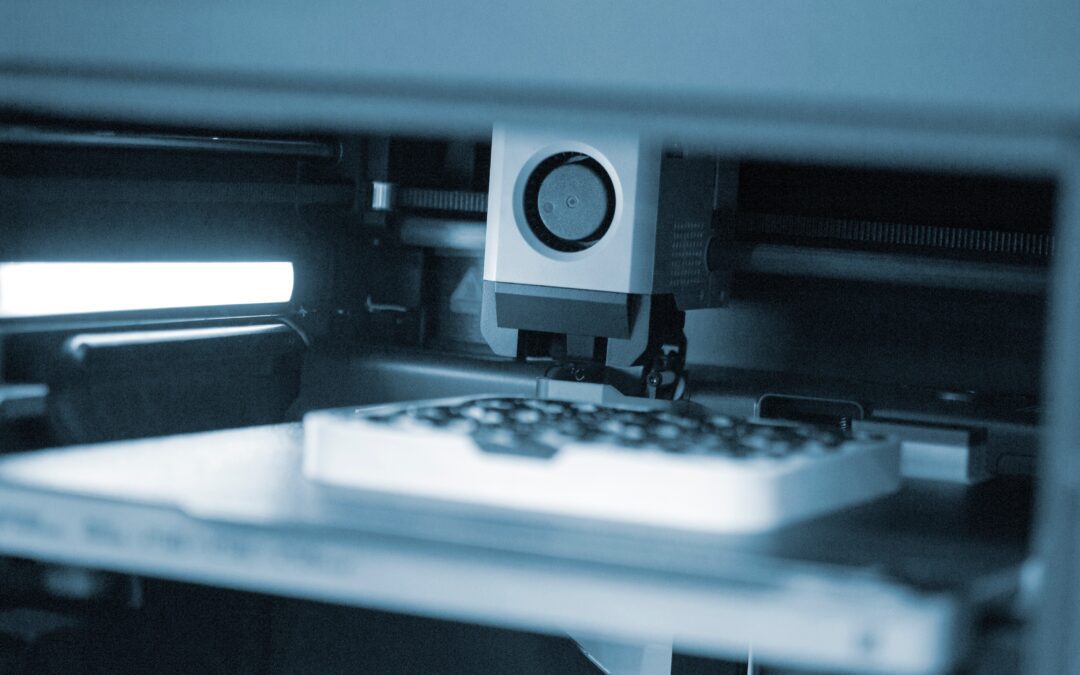
First, of course, you’ll need a 3D printer. 3D printers are now more affordable and available than ever before. Most Fused Deposition Modeling, or FDM, printers are small and compact, making them easy to fit on counters or tables. These printers use a plastic filament to create items.
The downside to these printers is usually their size, speed, and strength. Most printers can only create parts up to about 12 inches in height. Another limitation is the build area, meaning you can usually only create one max-sized part at a time. These prints often take 12–24 hours to complete. The plastic filament used in these machines is often weak and can break easily. While different techniques can make prints stronger, most are not made to withstand everyday use or heavy wear.
CAD / 3D Models
Second, you need a CAD or 3D model. This step is more often forgotten than expected. To use any 3D printer, you need a model to print. The average person doesn’t always have the time or skills to create the models needed to complete projects.
Model hubs like Thingiverse and 3DWorld exist and host thousands of models for a wide range of projects. However, when you need a specific model, these sites are often missing it. There are websites and businesses that offer model design services, but these can quickly become expensive for the average creator. Many services charge around $50 an hour to create a model.
A.I. is becoming better at creating 3D models, but it can still be very unreliable. It often forgets to model the back of objects or adds extra shapes and parts that shouldn’t be there.
Dedicated Space
Third, you need a dedicated space. While the long-term effects of having a 3D printer in a living area haven’t been fully studied, it’s recommended to keep the printer in a well-ventilated area where potentially dangerous fumes can escape. Processes like Stereolithography (SLA) involve potentially toxic chemicals and fumes used to create prints. The resin used in these processes is best avoided and should not be ingested in any way.
Creativity
Fourth, creativity. One of the biggest things that can limit you in 3D printing is your own creativity. While there are many challenges, like those listed above, many people have found ways to work around them to create amazing objects and projects. Impressive armor sets and full-sized characters have been made using typical 3D printing methods, although these projects often take months to complete.
Getting started in 3D printing is very simple. Get a printer, get a model, and create. If you ever run into issues, many websites and forums exist to help you solve them.