
Consumer Printers Have Limits
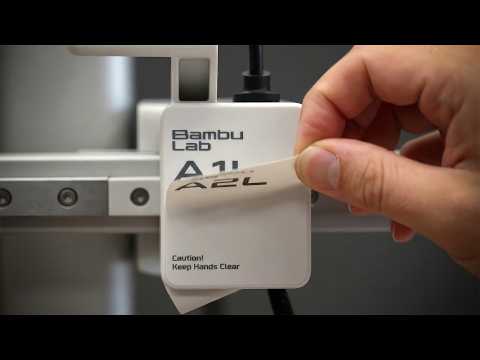
Popular YouTube channels like CNC Kitchen regularly review consumer FDM printers. These machines work well for hobbyists and prototyping. However, they fall short when production demands increase.
Engineers and procurement teams need reliable output. They need consistent material properties. Consumer desktop printers simply cannot deliver at scale.
The Gap Between Hobby and Industrial AM
Consumer FDM printers require constant attention. Users spend hours tweaking settings and troubleshooting failures. This approach works for personal projects but fails in production environments.
Industrial 3D printing processes solve these problems. They offer repeatable results without manual intervention. Parts come out consistent, batch after batch.
Key Differences for Production
- Industrial systems run unattended for days
- Material properties meet engineering specifications
- Build volumes handle multiple parts simultaneously
- Quality control is built into the process
- Post-processing produces professional finishes
What Engineers Actually Need
Production environments demand different capabilities. Speed matters, but consistency matters more. One failed part can delay entire projects.
Selective laser sintering and Multi Jet Fusion excel here. These powder bed technologies produce functional parts. They handle complex geometries without supports.
Material Performance Counts
Consumer filaments vary between batches. Industrial 3D printing uses certified materials. Engineers can trust the published specifications.
Nylon 12 from industrial systems meets automotive standards. TPU parts flex consistently across thousands of cycles. These materials perform in real applications.
- Certified material properties for engineering calculations
- Batch-to-batch consistency for production runs
- Heat resistance for functional applications
- Chemical resistance for industrial environments
Total Cost Considerations
Consumer printers seem affordable upfront. Hidden costs add up quickly. Failed prints waste material and time.
Industrial 3D printing services like JawsTec offer predictable pricing. You pay per part, not per problem. Engineering time goes toward design, not troubleshooting.
When to Choose Professional Services
Outsourcing makes sense for most production needs. You get industrial quality without capital equipment costs. Experts handle material selection and process optimization.
Consider working with a service bureau when you need consistent parts. Request a quote to compare costs with in-house options.
Making the Right Choice
Consumer FDM has its place in workshops and labs. Quick concept models work fine on desktop machines. But production demands more.
Industrial additive manufacturing delivers what engineers need. Consistent quality. Reliable timelines. Materials that perform. Understanding this difference helps teams make smarter procurement decisions.
Sources
Source: Bambu A2L: My Honest Review After 400 Hours by CNC Kitchen (YouTube) — https://www.youtube.com/watch?v=r1y09JIcrNE